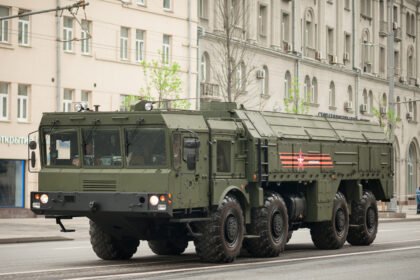


The US China rare earth rivalry is changing how global power works. Rare Earth Elements (REEs) are now vital for EVs, wind power, advanced electronics, and modern military systems. The key issue is not simply who owns the most ore. It is who can separate, refine, metallize, and turn rare earths into highperformance magnets.
- Global Power Is Changing
- Why Rare Earths Matter
- The Electrification Base
- Defense and Security
- Rare Earth Reserves Beyond China
- Reserve and “Output” Picture
- United States and Halleck Creek
- Africa, Europe, India, and Russia
- China’s Processing Advantage
- Solvent Extraction and IP
- Predatory Pricing
- Boom-Bust Cycle
- Export Controls and Supply Chains
- U.S. Industrial Response
- India-Russia Supply-Chain Option
- India’s Needs
- Russia and ‘Tomtor’
- Joint Processing Plan
- Strategic Outlook
Global Power Is Changing
In the twentieth century, industrial power, military reach, and economic stability were closely linked to hydrocarbons. In the twenty-first century, critical minerals are becoming equally important. REEs are often called the “future oil” because they are essential for technology, decarbonization, and military-industrial systems.
The 17 rare earths include the 15 lanthanides, scandium, and yttrium. The United States and the People’s Republic of China (PRC) are competing for influence over the supply chains that turn these elements into usable products. For decades, the Chinese Communist Party (CCP) has used coordinated industrial policy to build control of the rare-earth chain. Beijing treats these minerals as strategic economic and geopolitical assets, not as ordinary commodities.
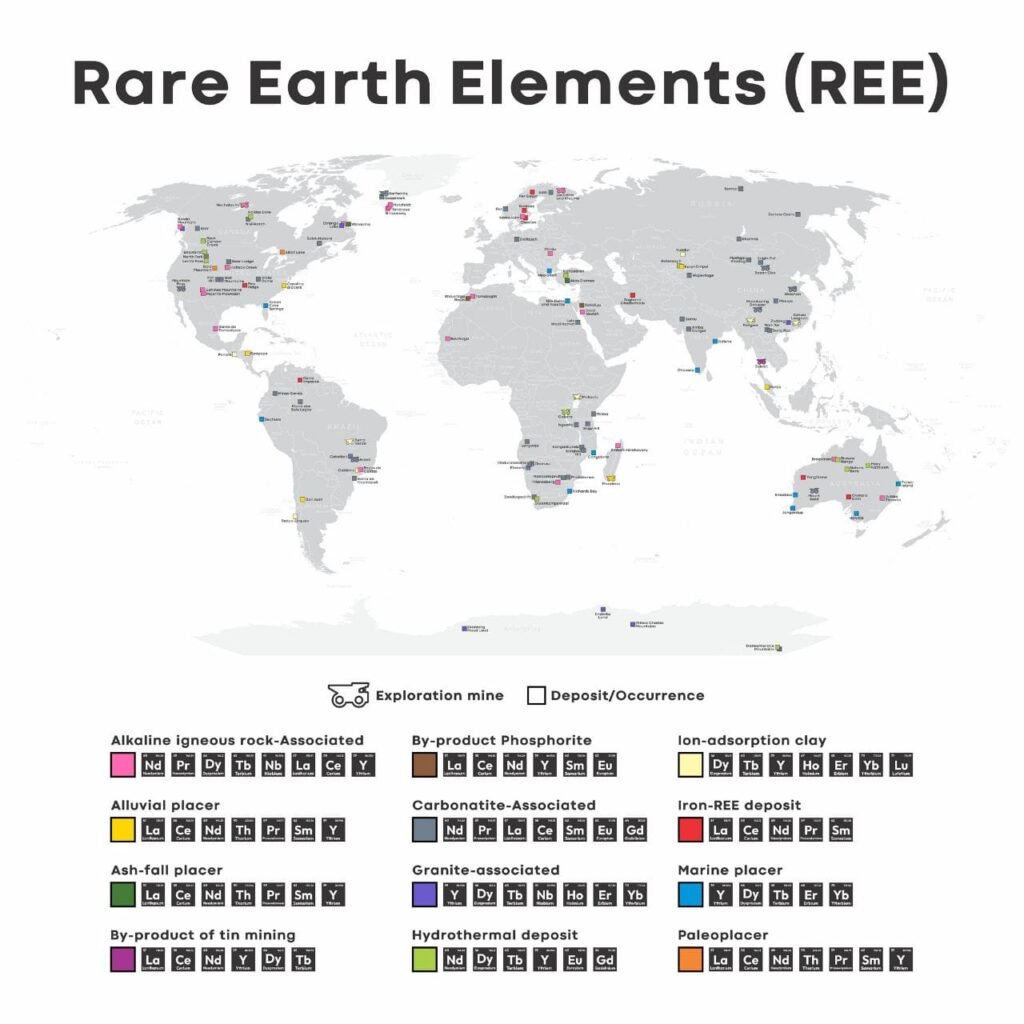
China has near monopoly strength in midstream refining and downstream manufacturing. This is different from owning all global deposits. Large commercial resources are found in the Americas, Africa, Australia, India, Europe, and Russia. The real bottleneck is metallurgical separation and magnet manufacturing.
Russia has large, underdeveloped heavy rare-earth resources. India has capital, growing domestic demand, and processing goals. This creates the possibility of an India-Russia mineral partnership outside both Chinese supply-chain pressure and Western financial constraints.
Why Rare Earths Matter
Rare earths have special physicochemical properties that make them important in modern engineering. They are commonly grouped by atomic weight and electron configuration:
- Light Rare Earth Elements (LREEs): lanthanum, cerium, praseodymium, and neodymium.
- Heavy Rare Earth Elements (HREEs): samarium, europium, gadolinium, terbium, and dysprosium.
The Electrification Base
The shift toward decarbonization depends heavily on NdFeB (Neodymium Iron Boron) permanent magnets. The compound is written as Nd2Fe14B. NdFeB magnets have very high magnetic anisotropy and energy products. They are the strongest known permanent magnets. (Te scientific terms are written for better understanding and precision)
These magnets are used in EV traction motors and direct drive offshore-wind generators. High temperature motors and turbines need high coercivity so magnets do not demagnetize. Manufacturers add dysprosium and terbium to the NdFeB matrix to achieve this performance.
The material demand is large:
- Wind turbines need about 1 to 2 metric tons of NdFeB magnets per megawatt of capacity.
- An average EV traction motor needs about 1 to 3 kilograms of these magnets.
- Fast growth in EVs and renewable energy will keep increasing demand over the next three decades.
For this reason, rare earths are a structural input for the post carbon economy. A long supply disruption could slow industrial expansion and energy transition plans.
Defense and Security
The US China rare earth rivalry is also a defense industrial issue. Modern military systems rely on precision, sensors, high temperature performance, and electronic warfare. Samarium cobalt (SmCo) magnets and high temperature NdFeB grades are needed where components face severe thermal and kinetic stress.
The U.S. military and the wider NATO security system use rare earth based components in the F-35 Lightning II, Virginia and Columbia class nuclear submarines, Tomahawk cruise missiles, JDAM precision-guided bombs, radar systems, and Predator unmanned aerial vehicles. Erbium and yttrium support fiber optics, optical amplifiers, laser targeting arrays, and microwave communications.
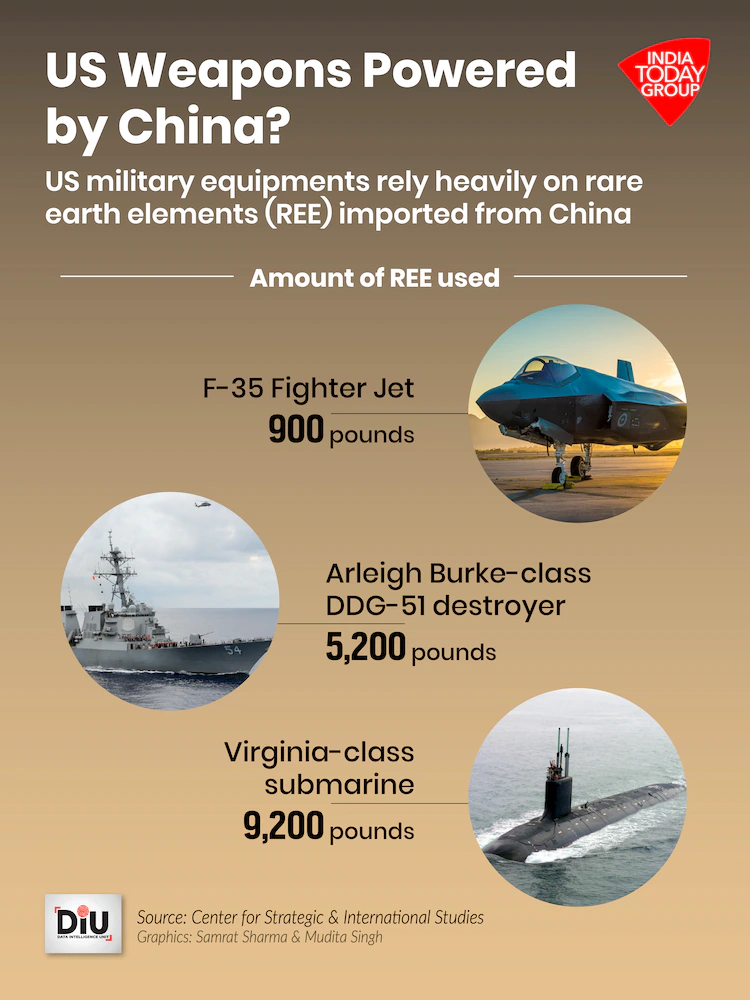
A major disruption would affect more than civilian manufacturing. It could reduce military readiness and make sustained high intensity operations harder. Deng Xiaoping’s 1992 statement that China had the rare earth equivalent of Middle Eastern oil was therefore a strategic observation, not only an economic one.
Rare Earth Reserves Beyond China
A common claim is that China is the only country with important rare earth resources. This confuses China’s processing lead with geological scarcity. China has the largest proven reserves, but REEs are widespread in the Earth’s crust.
Three terms should not be mixed up:
- Crustal abundance: the amount of an element naturally present in the Earth’s crust.
- Proven reserves: deposits that can be mined legally and economically with current technology.
- Active mine production: material that mines produce now.
The difference is important. Dependence on China is not geological destiny. It largely reflects industrial-policy failures and missing processing capacity outside China.
Reserve and “Output” Picture
USGS Mineral Commodity Summaries for 2025 and 2026 put global rare-earth reserves at about 90 million metric tons of rare earth oxide (REO) equivalent. Unmeasured prospective resources make the broader geological potential much higher. China has an estimated 44 million metric tons, about 48% of the global total. The rest is spread across many countries.
| Rank | Sovereign territory | Estimated reserves (MT REO) | 2025 mine output (MT REO) | Approx. global output share |
|---|---|---|---|---|
| 1 | China | 44,000,000 | 270,000 | 69.2% |
| 2 | Brazil | 21,000,000 | 2,000 | 0.5% |
| 3 | India | 6,900,000 | 2,900 | 0.7% |
| 4 | Australia | 5,700,000 | 29,000 | 7.4% |
| 5 | Russia | 3,800,000 | 2,600 | 0.7% |
| 6 | Vietnam | 3,500,000 | 150 | 0.04% |
| 7 | United States | 1,900,000 | 51,000 | 13.1% |
| 8 | Greenland | 1,500,000 | 0 | 0.0% |
| 9 | Tanzania | 890,000 | 0 | 0.0% |
| 10 | South Africa | 860,000 | 0 | 0.0% |
| 11 | Canada | 830,000 | 0 | 0.0% |
| 12 | Burma (Myanmar) | Undisclosed/variable | 22,000 | 5.6% |
(Figures are aggregated from USGS Mineral Commodity Summaries 2026 and geopolitical resource datasets. Reserve estimates can change as economics, technology, and legal conditions change.)
The gap between reserves and actual output is the strategic problem. Brazil, Greenland, Tanzania, South Africa, and Canada were among the largest reserve holders but produced little or no commercial output in 2025.
United States and Halleck Creek
The United States is not without domestic resources. Mountain Pass in California produced about 51,000 MT of REO in 2025, making the United States the second-largest miner. New projects may add further capacity.
American Rare Earths’ Halleck Creek project in Wyoming is one example. Technical studies and channel sampling in 2025 and early 2026 reported a JORC-compliant resource of 2.63 billion tonnes of ore containing about 8.64 million tonnes of Total Rare Earth Oxides (TREO). The Cowboy State Mine (CSM) area has an updated resource estimate of 547.5 million tonnes. Average TREO grades reach 3,438 ppm. Nd and Pr account for nearly 28.5% of the total. Some high-grade samples assayed up to 13,816 ppm TREO.
The project lies on Wyoming State land. This may allow a state process expected to take 2 to 3 years instead of a much longer federal timeline. It received a $7.1 million state grant and a non-binding $456 million letter of interest from the U.S. EXIM Bank. If the planned Definitive Feasibility Study (DFS) supports full production, the deposit could supply the domestic magnet sector for more than a century.
Africa, Europe, India, and Russia
Africa has major resources but faces infrastructure limits and foreign corporate competition. Tanzania has 890,000 MT of reserves around the Ngualla project. South Africa has another 860,000 MT. Madagascar and Nigeria have smaller but useful output of 2,700 MT and 1,500 MT respectively. In 2025, China’s Shenghe Resources acquired Peak Rare Earths, the former Australian operator of Ngualla. That acquisition brought a potential diversification project into China’s commercial sphere.
Europe also has relevant deposits. Greenland has 1.5 million MT of reserves and the Tanbreez project. Norway’s Fen Carbonatite Complex is described as Europe’s largest REE deposit. The complex formed through magmatic intrusions about 580 million years ago and is estimated to contain 30 to 50 million tonnes of total Rare Earth Oxides.
India and Russia have estimated reserves of 6.9 million MT and 3.8 million MT. India’s resources are mainly monazite bearing coastal beach sands in Kerala, Tamil Nadu, Odisha, and Andhra Pradesh. Russia produced about 2,600 MT in 2025, mainly through the Lovozersky plant. Its main future asset is the Tomtor deposit in Siberia.
China’s Processing Advantage
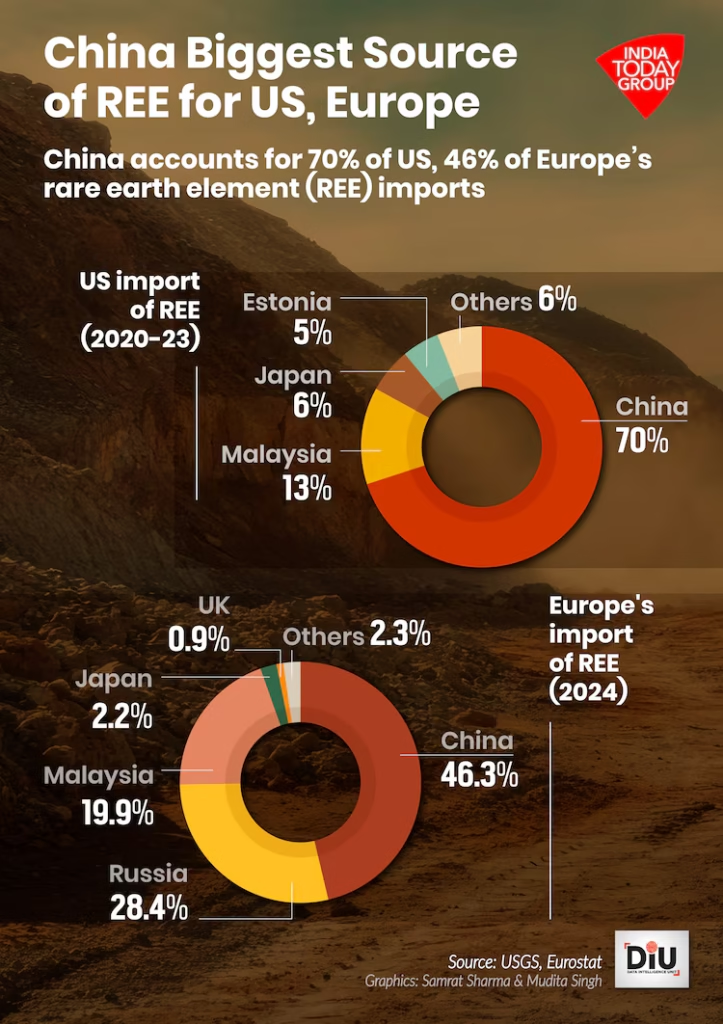
The central feature of the US China rare earth rivalry is the midstream and downstream supply chain. China mined about 69.2% of global rare earths in 2025. Yet it controlled an estimated 90% of global oxide-refining capacity and up to 94% of NdFeB magnet manufacturing. Its share of dysprosium and terbium separation for high-temperature magnets was close to 99%.
Solvent Extraction and IP
Separating mixed rare earth concentrates into individual high purity oxides is difficult, energy-intensive, and environmentally dangerous. Lanthanides have very similar physical, atomic, and chemical properties. Standard smelting cannot separate them effectively.
The process uses hundreds of linked solvent extraction stages. It requires specialized organic extractants, including P507 and P204, in strongly acidic conditions. Western countries developed much of the core chemistry in the 1950s. China then spent roughly three decades improving, scaling, and industrializing it.
Chinese patents, including CN101319275B, describe continuous extraction grouping methods. These methods separate specific elements while reducing ammonia nitrogen wastewater associated with older processes. China combined such know how with state owned enterprises (SOEs), heavy subsidies, and early acceptance of environmental costs. This created a high barrier to entry.
Mining is therefore not enough for strategic independence. Mountain Pass ore or Mt. Weld concentrate does not create autonomy if it must still travel to China for conversion into metals and magnets.
Predatory Pricing
China’s leverage is economic as well as technical. A bipartisan House Select Committee on the CCP investigation described the use of state subsidies and unclear regulatory frameworks for systematic predatory pricing. The goal is to make new non-Chinese supply chains uneconomic before they can scale.
Rare earth markets are illiquid. They do not have the transparent, standardized price system used for copper, gold, or crude oil. Chinese SOEs, directed by the Ministry of Industry and Information Technology, can use output quotas as a strategic tool. The PRC uses subsidized financing and zero-interest loans to influence market conditions and increase supply when necessary.
Boom-Bust Cycle
The pattern has appeared repeatedly:
- 1985 to 2000s :Consolidation phase: VAT rebates, weak environmental standards, and low labour costs helped China raise rare earth output by nearly 500%. Additional supply reduced world prices, helped China capture more than 90% of supply, and forced many established Western producers out.
- 2010 Senkaku Islands dispute: China informally blocked exports to Japan during a territorial dispute. The action affected Japanese automotive and electronics industries.
- 2012 to 2016 :Post WTO market flood: After the World Trade Organization (WTO) rejected China’s export quotas, Beijing allowed a major state backed supply increase. Prices fell sharply. Molycorp, then the sole U.S. rare earth miner, went bankrupt. Lynas Corporation in Australia came close to collapse.
- 2022 to 2025 :Pressure in other minerals: Chinese overproduction was linked to a 59.5% cobalt price decline and the closure of Jervois’s Idaho mine. Chinese backed Indonesian processing contributed to a 73% nickel price decline and the closure of BHP operations in Australia. An 87% fall in lithium prices slowed Western projects.
This volatility makes it difficult for companies to plan billion dollar refineries. Private firms fear that a later supply surge will destroy margins. As a result, many manufacturers have moved assembly operations to China to protect access to rare earths and NdFeB magnet based motors. That move can also transfer sensitive manufacturing capability and intellectual property.
Export Controls and Supply Chains
Rare earths have become a direct part of economic conflict. As the United States tries to de-risk supply chains, Beijing has expanded export controls designed to preserve its position in high-technology manufacturing.
| Phase | Date | Policy action and materials | Strategic purpose |
|---|---|---|---|
| 1 | Dec. 2020 | Export Control Law (ECL) | Centralizes MOFCOM authority and gives extraterritorial reach over Chinese-origin inputs |
| 2 | Jul./Aug. 2023 | Licensing for gallium and germanium | Restricts semiconductor, radar, and 5G inputs; identifies end users |
| 3 | Oct./Dec. 2023 | Controls on high-purity graphite; rare-earth technology export ban | Extends leverage to EV battery anodes and blocks extraction, separation, and smelting IP exports |
| 4 | Aug./Dec. 2024 | Antimony export limits and selected U.S. prohibitions | Targets ammunition, infrared sensors, and flame retardants |
| 5 | April 2025 | Seven HREEs, including Dy, Tb, and Sm, added to export controls | Targets high-temperature magnets for defense and offshore wind |
| 6 | October 2025 | Announcement No. 61, an FDPR-equivalent for REEs and magnets | Applies licensing to products containing 0.1% Chinese REEs and restricts foreign military use |
Announcement No. 61, dated October 9, 2025, was a major step. It resembled the U.S. Foreign Direct Product Rule (FDPR). It required a Beijing license for foreign made products containing at least 0.1% Chinese origin REEs or made with Chinese processing technologies.
From December 1, 2025, Chinese entities were required to reject export licenses for firms connected to foreign militaries. The policy could create a legal choke point for the U.S. defense industrial base. Chinese processed material can be embedded in deep subassemblies used in F 35 aircraft and guided munitions. European and Japanese manufacturers may have to choose between supplying the U.S. military and retaining access to Chinese inputs.
U.S. Industrial Response
The U.S. response relies on direct industrial policy. Through the Defense Production Act, the Department of War, recently renamed from the Department of Defense, and the Department of Energy are trying to build a domestic supply chain.
In July 2025, the U.S. government made a $400 million equity investment in MP Materials and became its largest shareholder. The agreement set a 10 year price floor of $110 per kilogram for NdPr output. The purpose was to protect MP Materials from price pressure by moving part of the commodity risk to the state.
The Office of Strategic Capital (OSC) also provided a $150 million loan to expand heavy rare earth separation at Mountain Pass. It secured a 10-year offtake agreement for all output from a planned “10X” domestic magnet facility.
These steps do not remove the near term risk. The United States still faces shortages of skilled metallurgical workers, high capital costs, and long permitting timelines. Facilities may take years to reach full commercial scale.
India-Russia Supply-Chain Option
The US China rare earth rivalry has opened space for another alignment. India and Russia are exploring a combined system that links Russian heavy rare earth resources with Indian capital, demand, refining, and magnet manufacturing plans. The goal is to reduce dependence on China while working outside Western financial constraints.
India’s Needs
India holds the world’s third largest rare earth resources, estimated at 6.9 million metric tons. Much of the resource is monazite bearing coastal beach sand and inland alluvium in Kerala, Tamil Nadu, Odisha, and Jharkhand.
However monazite mainly contains LREEs. It is also associated with radioactive thorium and uranium. These features make extraction difficult, hazardous, and expensive. India lacks economic domestic deposits of the HREEs required for high temperature permanent magnets.
Indian Rare Earths Limited (IREL) has upstream mining and basic oxide refining capability. India still lacks commercial midstream metallization and downstream magnet manufacturing at scale. Chinese oxide and magnet restrictions in 2025 and 2026 exposed this weakness. India imports nearly 53,000 tonnes of finished permanent magnets annually, with about 90% coming from China.
The Union Cabinet responded by launching the National Critical Mineral Mission (NCMM) in January 2025. It began auctioning critical mineral blocks and supporting recycling pilots. New Delhi also approved a $771 million (₹7,280 crore) Production Linked Incentive (PLI) scheme for 6,000 Metric Tons Per Annum of integrated Rare Earth Permanent Magnet (REPM) manufacturing.
Russia and ‘Tomtor’
Russia has about 3.8 million metric tons of REO reserves but only around 0.7% of global output. Production mainly comes from the Lovozersky Mining and Processing Plant and the downstream Solikamsk Magnesium Plant. Sanctions limit Russia’s access to Western technology, capital, and offtake markets.
Tomtor in Yakutia’s Anabar district, is Russia’s key future asset. State-controlled Rosneft acquired the project in May 2025. Tomtor is widely considered one of the richest undeveloped rare earth and niobium deposits. The Buranny section is estimated to hold 11.4 to 13.2 million tonnes of ore at an exceptional 15% REO grade. It also has 780,000 tonnes of niobium oxide.
Tomtor has high concentrations of dysprosium, terbium, and yttrium. These are exactly the HREEs India requires. Russia also has independent processing knowledge through Soviet-era institutions such as the Giredmet Institute.
Joint Processing Plan
In mid 2026, IREL requested Tomtor ore samples from Rosneft for laboratory analysis in India. The proposed model does not depend on moving raw, low grade ore across Arctic ice roads to India. Russia would carry out preliminary processing and concentration before shipment.
In May 2026, Giredmet signed a memorandum of understanding with India’s Nexon Geochem. They agreed to study and develop tailored processing technology for complex rare-earth raw materials.
The arrangement could offer clear benefits:
- Russia would gain a dependable offtake market for the capital heavy Tomtor project and an export route that reduces sanctions pressure.
- India would gain a possible non Chinese HREE source to support REPM manufacturing and encourage firms such as Reliance, Vedanta, and Adani.
- Both countries could use Russian solvent extraction knowledge to reduce the impact of China’s December 2023 ban on separation technology exports.
Commercial success would still depend on viable metallurgy, logistics, environmental management, financing, and scale. Yet an India Russia chain could become an independent pole in the global critical minerals market.
Strategic Outlook
Rare earths are the hidden material base of modern economic and military power. The world is not geologically empty of these materials. The main weakness is an engineered concentration of separation, refining, metallization, and magnet manufacturing.
China’s processing lead was built through state support, environmental cost absorption, industrial learning, and price pressure. This gives Beijing an important geopolitical tool. It can control both physical inputs and the processing knowledge needed to use them. The response is now visible. The United States is funding domestic resources and magnet capacity. India is supporting REPM manufacturing. Russia is trying to turn its deposits and processing legacy into export leverage. The US China rare earth rivalry will remain central to critical mineral policy defense supply chains, clean energy manufacturing, and industrial competition.
Countries that can secure upstream resources, master rare earth metallurgy, scale reliable magnet production, and defend against price manipulation will have greater influence over future technology and military power.