

India’s high altitude warfare capability is built on an integrated system of mountain doctrine, physiological protection, indigenous defence technology, extreme cold logistics, and tri service operations. From the Siachen Glacier and Ladakh to Kargil, Dras, and Arunachal Pradesh, sustaining combat power at the “Roof of the World” requires India to defeat hypoxia, cold, terrain, thin air, and isolation before confronting an adversary.
- Introduction:
- Key High Altitude Military Locations
- Biological Challange: How High Altitude Affects Soldiers
- Hypoxia, HAPE, and Cold Injuries
- High Altitude Anorexia and Metabolic challanges
- Psychological Stress:
- Physiological Challenges and Indian Countermeasures
- The Hardware Penalty: Why machines struggle at high altitude
- Engines, Tanks, and Aircraft
- Drones, Radar Shadows, and Communications
- Infantry Load :Carriage and Equipment
- High Altitude Logistics: The tension on Supply Lines
- Kargil War: Operation Vijay and the Crucible of Morale
- Major Kargil Battles and Heroes
- DRDO’s High altitude life support ecosystem
- DFRL: Combat Nutrition and Ready to Eat food
- DIHAR: Fresh food and seabuckthorn in Ladakh
- DIPAS, DEBEL, and Combat engineering
- Indian Army, HAWS, and mountain warfare Doctrine
- Border infrastructure and Indigenous technology
- Air Power and Naval Special Operations in the Himalayas
- Indian Air Force: The aerial lifeline
- MARCOS at Pangong Tso
- India’s Strategic advantage in High Altitude Warfare
- Conclusion:
Introduction:
Modern warfare along India’s northern and western frontiers takes place in one of the harshest land environments on Earth. Across the icy Siachen Glacier, the ridges of Kargil and Dras, the high plateau of Eastern Ladakh, and the deeply cut valleys of Arunachal Pradesh, the Himalayan theatre imposes a severe environmental burden on military operations before any fighting begins.
Unlike plains or desert warfare, Himalayan warfare is defined by extreme altitude, broken terrain, narrow approaches, and the decisive importance of high ground. A small force occupying a commanding ridge can observe and interdict movement across wide valleys and critical supply routes, especially the Srinagar Leh National Highway, which connects the Kashmir Valley with Ladakh and Siachen.
Key High Altitude Military Locations
- Mudh Nyoma Airbase, Ladakh: Located at about 13,000 feet and roughly 30 kilometres from the Line of Actual Control (LAC).
- Daulat Beg Oldie (DBO): India’s highest airstrip, situated at 16,614 feet.
- Siachen Glacier: The world’s highest militarized battlefield, with posts often above 16,000 feet.
- Kargil and Dras: High-altitude ridgelines and valleys that proved decisive during the 1999 Kargil War.
- Arunachal Pradesh: Steep Himalayan valleys and mountain passes along India’s eastern frontier.
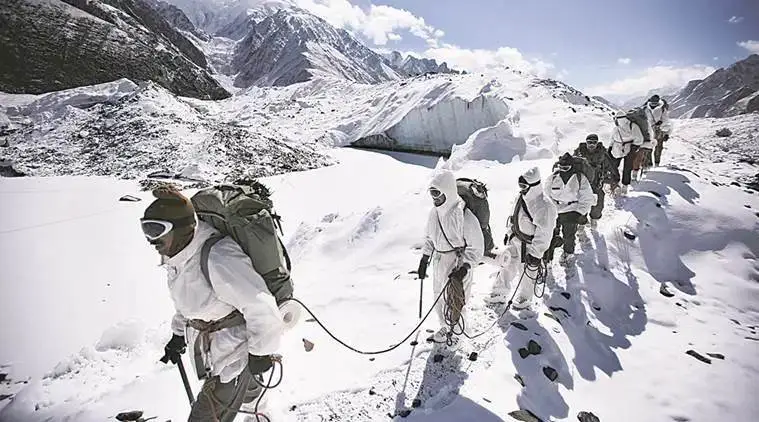
In such terrain, advancing troops must cross crevasses, rock faces, ice walls, and near vertical slopes while exposed to artillery, machine gun fire, avalanches, landslides, and falling rocks. Mountain warfare therefore demands advanced rock craft, ice craft, mountaineering skills, and exceptional physical endurance.
Biological Challange: How High Altitude Affects Soldiers
At high altitude, the primary adversary is often the environment itself. As troops deploy above 9,000 to 18,000 feet, reduced barometric pressure lowers the partial pressure of inhaled oxygen. This produces hypobaric hypoxia, reducing stamina, slowing tissue repair, impairing judgement, and placing stress on vital organs.
Hypoxia, HAPE, and Cold Injuries
Rapid ascent common during border emergencies can cause dangerous fluid movement across capillary membranes. In the lungs, hypoxic pulmonary vasoconstriction raises pulmonary arterial pressure and may lead to High Altitude Pulmonary Oedema (HAPE or HAPO), a potentially fatal condition in which fluid accumulates in the alveoli.
Extreme cold and wind chill compound the danger. Peripheral vasoconstriction reduces blood flow to fingers, toes, and facial tissue, increasing the risk of frostbite, chilblains, trench foot, and hypothermia. Dry, sub zero air also accelerates respiratory heat and moisture loss, contributing to dehydration, thicker blood, fatigue, and thromboembolic risk.
High Altitude Anorexia and Metabolic challanges
High altitude operations require very high calorie intake, yet hypoxia suppresses appetite. This condition, known as high altitude anorexia, is worsened by reduced gastrointestinal absorption and increased basal metabolic rate as the body works to maintain core temperature in extreme cold.
Without energy dense, protein rich rations and targeted nutritional support, soldiers can suffer muscle catabolism, weight loss, reduced immunity, and declining combat effectiveness during prolonged deployments.
Psychological Stress:
Long isolation in snowbound posts, sensory deprivation, disrupted sleep caused by periodic breathing, and constant operational alertness disturb neuro endocrine balance. These pressures can affect cortisol and catecholamine levels, weaken working memory, impair decision making, and reduce mood stability.
India’s Defence Research and Development Organisation (DRDO), particularly the Defence Institute of Physiology and Allied Sciences (DIPAS) and Defence Institute of Psychological Research (DIPR), has studied these effects extensively. Structured yoga and pranayama programmes are used as countermeasures to improve stress resilience, nutrient absorption, cold tolerance, immune function, EEG alpha activity, and Brain Derived Neurotrophic Factor (BDNF) levels.
Physiological Challenges and Indian Countermeasures
| Domain | Environmental Trigger | Physiological Impact | Indian Countermeasure |
|---|---|---|---|
| Oxygenation | Low pressure and reduced oxygen above 9,000 to 18,000 feet | Hypobaric hypoxia and HAPE | DIPAS acclimatization protocols, nitric oxide therapy, portable hyperbaric HAPO bags, DEBEL oxygen systems |
| Thermoregulation | Temperatures down to -50°C, wind, snow, and glacier contact | Frostbite, hypothermia, respiratory heat loss | DRDO three-layer Extreme Cold Weather Clothing System, cold-injury prevention creams, solar heated shelters |
| Metabolism | Hypoxia induced appetite loss and higher calorie demand | High-altitude anorexia, muscle loss, fatigue | DIHAR seabuckthorn formulations, DFRL high protein and retort rations |
| Mental resilience | Isolation, sleep disruption, and combat vigilance | Cognitive fatigue, stress imbalance, reduced mood | DIPAS/DIPR screening, posting tenures, customized yoga packages |
The Hardware Penalty: Why machines struggle at high altitude
The same physics that deprives soldiers of oxygen and heat also reduces the performance of engines, aircraft, drones, electronics, and logistics systems. Air density falls sharply between 13,000 and 18,000 feet, reducing combustion efficiency, engine power, rotor lift, wing lift, payload capacity, hover ceiling, and manoeuvrability.
Engines, Tanks, and Aircraft
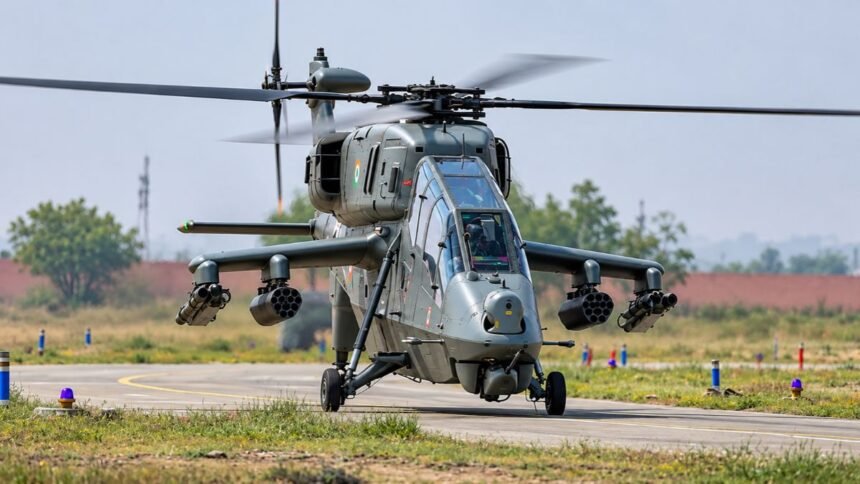
Internal combustion engines and gas turbine aero engines require dense air for efficient fuel combustion. Helicopters and fixed wing aircraft also need air density to generate aerodynamic lift. At extreme altitude, attack helicopters can suffer major power loss, while tanks and heavy vehicles face reduced horsepower, turbocharger lag, cold start failures, thickened lubricants, and poor fuel atomization.
To restore power to weight ratio in mountainous terrain, the Indian Army pursued upgrades to the T 90 Bhishma main battle tank, including replacement of the original 1,000 HP engine with an uprated 1,350 HP engine.
Drones, Radar Shadows, and Communications
Thin air, freezing temperatures, battery performance loss, and strong mountain winds challenge unmanned aerial vehicles (UAVs) and loitering munitions. Sharp ridgelines also create radar shadows and electromagnetic multipath effects, reducing the effectiveness of conventional ground radars and VHF/UHF communications.
India addresses these gaps through mountain radars, low level lightweight radars, weapon locating radars such as Swathi WLR, upgraded troposcatter communication systems, and indigenous high altitude drone trials under initiatives such as HIM-DRONE-A-THON and HIMTECH.
Infantry Load :Carriage and Equipment
At 15,000 feet and above, every additional kilogram carried by an infantryman feels heavier because of oxygen deprivation. Soldiers must balance protection, firepower, mobility, and thermal insulation while operating in freezing conditions.
High altitude warfare also affects weapons. Metal can become brittle, lubricants can freeze, older clothing can restrict movement, and inadequate boots or socks can cause cold injuries during long patrols. This makes ergonomics, modern personal protective equipment, and specialized cold weather gear central to infantry survivability.
High Altitude Logistics: The tension on Supply Lines
Himalayan logistics are among the most demanding in modern warfare. Winter snow can block mountain passes for up to six months, forcing the Indian Army to pre position thousands of tonnes of fuel, ammunition, rations, engineering stores, medical supplies, and spare parts during short summer windows.
Force preservation in forward areas depends on:
- Solar powered and non conventional heated shelters.
- Field water purification and NBC protection systems.
- High altitude biodigesters using psychrophilic bacteria to process human waste in frozen soil.
- Air maintenance, heavy drop systems, and forward airstrips.
- Strategic roads, tunnels, and all weather border infrastructure built by the Border Roads Organisation (BRO).
Kargil War: Operation Vijay and the Crucible of Morale
The 1999 Kargil War, known as Operation Vijay, demonstrated that technology and logistics are essential but morale, leadership, and tactical courage remain decisive in highaltitude combat. Pakistan’s Operation Badr, launched during the winter of 1998 & 99, sought to occupy commanding heights across Mushkoh, Dras, Kaksar, Batalik, and Turtuk after Indian forward posts were vacated for winter.
The intrusion threatened the Srinagar Leh National Highway and India’s supply lines to Siachen. India responded with Operation Vijay on the ground, Operation Safed Sagar in the air, and a strong naval posture, while maintaining the political constraint of not crossing the Line of Control.
Major Kargil Battles and Heroes
| Battle / Sector | Recapture Date | Terrain and Elevation | Key Units and Commanders | Acts of Valour |
|---|---|---|---|---|
| Tololing and Point 4590 | June 13, 1999 | Bare rock ridges overlooking NH-1D at about 4,590 metres | 18 Grenadiers, 2 Rajputana Rifles, 13 JAK Rifles; Lt Col Y.K. Joshi | Major Rajesh Adhikari led the assault under heavy fire and was awarded the Maha Vir Chakra posthumously |
| Point 5140 | June 20, 1999 | Steep cliff routes at about 5,140 metres | 13 JAK Rifles; Capt Vikram Batra | Capt Batra killed four intruders in close combat and radioed “Yeh Dil Maange More” |
| Khalubar Ridge | July 3, 1999 | Icy rock spine above 5,000 metres | 1/11 Gorkha Rifles; Capt Manoj Kumar Pandey | Capt Pandey destroyed multiple bunkers despite wounds and was awarded the Param Vir Chakra posthumously |
| Tiger Hill | July 4, 1999 | Ice and rock peak overlooking Dras | 18 Grenadiers; Grenadier Yogendra Singh Yadav | Yadav climbed a near-vertical icy cliff despite bullet wounds and destroyed enemy bunkers; awarded the Param Vir Chakra |
| Area Flat Top, Mushkoh Valley | July 4, 1999 | Steep ridge feature at 4,800 to 5,000+ metres | 13 JAK Rifles; Rifleman Sanjay Kumar | Kumar charged an enemy bunker despite chest and arm wounds; awarded the Param Vir Chakra |
| Point 4875 | July 7, 1999 | Narrow ledge defences at about 4,875 metres | 13 JAK Rifles; Capt Vikram Batra | Batra rescued a comrade, continued leading despite severe wounds, and was awarded the Param Vir Chakra posthumously |
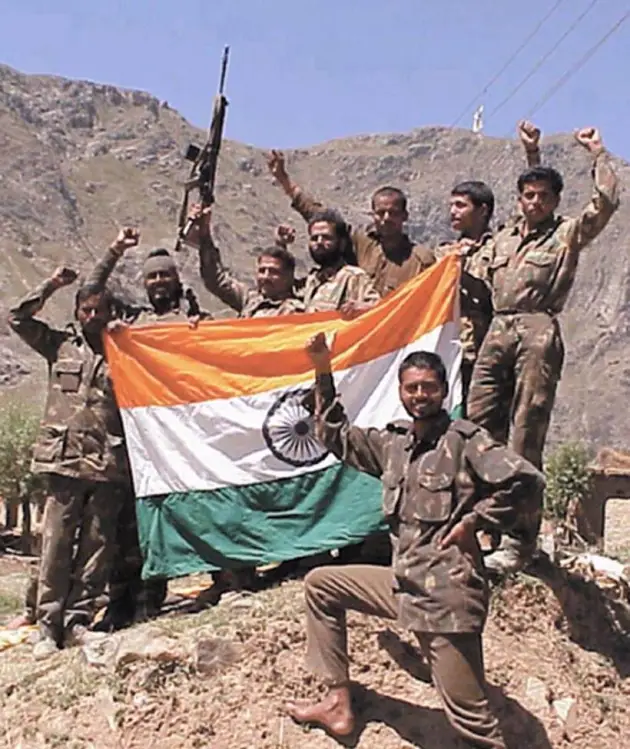
Operation Vijay concluded with India recapturing all occupied positions without crossing the LoC. The campaign produced four Param Vir Chakras, nine Maha Vir Chakras, 55 Vir Chakras, and numerous other gallantry awards, becoming a enduring symbol of Indian military morale and mountain-warfare excellence.
DRDO’s High altitude life support ecosystem
India’s ability to sustain troops in the Himalayas depends on a specialized DRDO network spanning physiology, food technology, materials, engineering, and aerospace.
Watch how soldiers use food given by DRDO:
DFRL: Combat Nutrition and Ready to Eat food
The Defence Food Research Laboratory (DFRL), Mysuru, developed Compo pack foods, retort pouch processed foods, dehydrated meals, protein rich bars, energy bars, protein chapattis, and instant halwa and upma mixes. These rations reduce cooking fuel demand, preserve nutrition, withstand long storage, and counter high altitude anorexia.
DFRL also developed quinoa processing methods and millet based military ration technologies, transferring them to multiple Indian food-processing partners. Its extreme environment preservation research has also supported human spaceflight meals developed with ISRO.
DIHAR: Fresh food and seabuckthorn in Ladakh
The Defence Institute of High Altitude Research (DIHAR), Leh located above 11,500 feet developed passive solar greenhouses and protected environment agriculture to grow vegetables in Ladakh’s cold desert. It also scientifically developed seabuckthorn based adaptogenic appetizers, multivitamin beverages, oils, capsules, and jams to counter oxidative stress and appetite loss.
DIHAR’s seabuckthorn work also created civilian economic opportunities in Ladakh, supporting the National Seabuckthorn Initiative and a Centre of Excellence at Nimoo, Leh.
DIPAS, DEBEL, and Combat engineering
DIPAS developed acclimatization schedules, nitric oxide therapy, portable hyperbaric HAPO bags, cold injury prevention creams, and solar heated shelters. DEBEL built life support and onboard oxygen generation systems, while ADRDE developed the P16 heavy drop system for high altitude aerial supply.
Other DRDO contributions include the R&DE mountain footbridge, ARDE thermo baric ammunition for bunker and cave targets, the 155mm/52 calibre ATAGS artillery system, and avalanche and terrain assessment expertise.
Indian Army, HAWS, and mountain warfare Doctrine
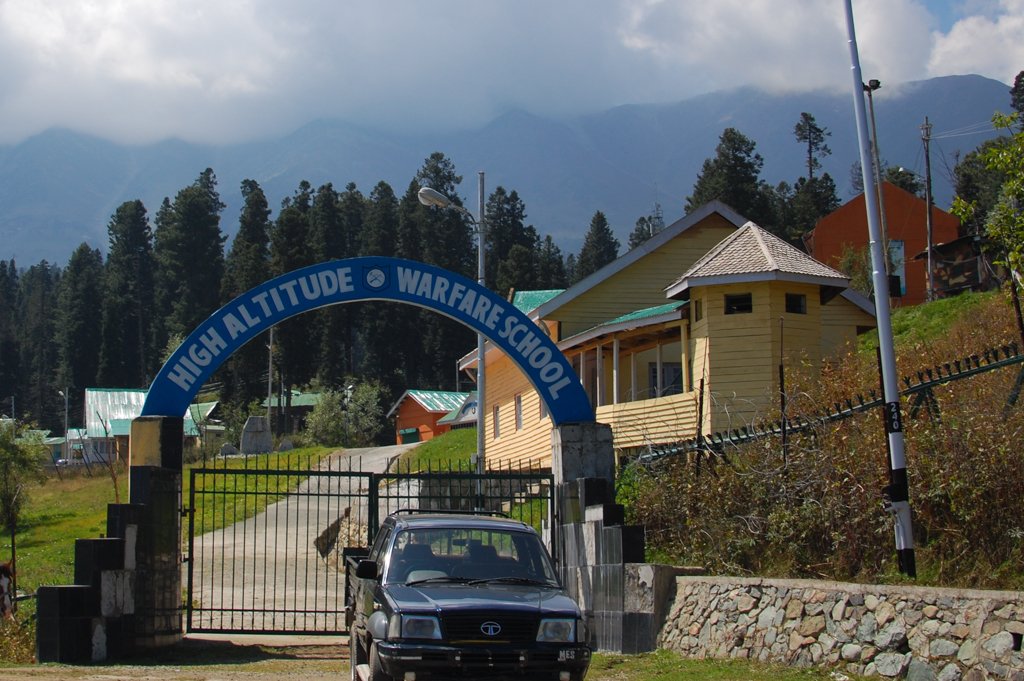
The Indian Army’s High Altitude Warfare School (HAWS) at Gulmarg and Sonamarg is the principal institution for mountain, snow, and glacier warfare training. Its curriculum includes rock craft, ice craft, crevasse negotiation, avalanche rescue, ski mountaineering, and high altitude survival.
Watch the all videos for better understanding: https://youtu.be/bEI7jySEUyQ?si=Vhk3NKV3CYZ-F0wa
Troops destined for extreme altitude deployments typically undergo intensive HAWS training before moving to acclimatization camps near Leh at approximately 15,000 and 18,000 feet. HAWS also trains friendly foreign militaries and supports specialist mountain warfare operations.
Border infrastructure and Indigenous technology
The Border Roads Organisation is executing a major border infrastructure programme involving hundreds of strategic roads and thousands of kilometres of connectivity in frontier areas. Projects include all weather tunnels, forward aviation facilities, and force-preservation infrastructure along the Darbuk to Shyok to Daulat Beg Oldie route.
India’s high altitude readiness is increasingly supported by indigenous procurement under Atmanirbhar Bharat, including:
- Uprated 1,350 HP engines for T90 tanks.
- Mountain radars and low level lightweight radars.
- Electronic warfare and integrated inventory management systems.
- Loitering munitions and Pinaka long range guided rocket ammunition.
- Thermal imaging driver night sights for BMPs.
- Advanced Towed Artillery Gun System (ATAGS).
- Indigenous extreme cold weather clothing transferred to Indian industry.
Air Power and Naval Special Operations in the Himalayas
Indian Air Force: The aerial lifeline
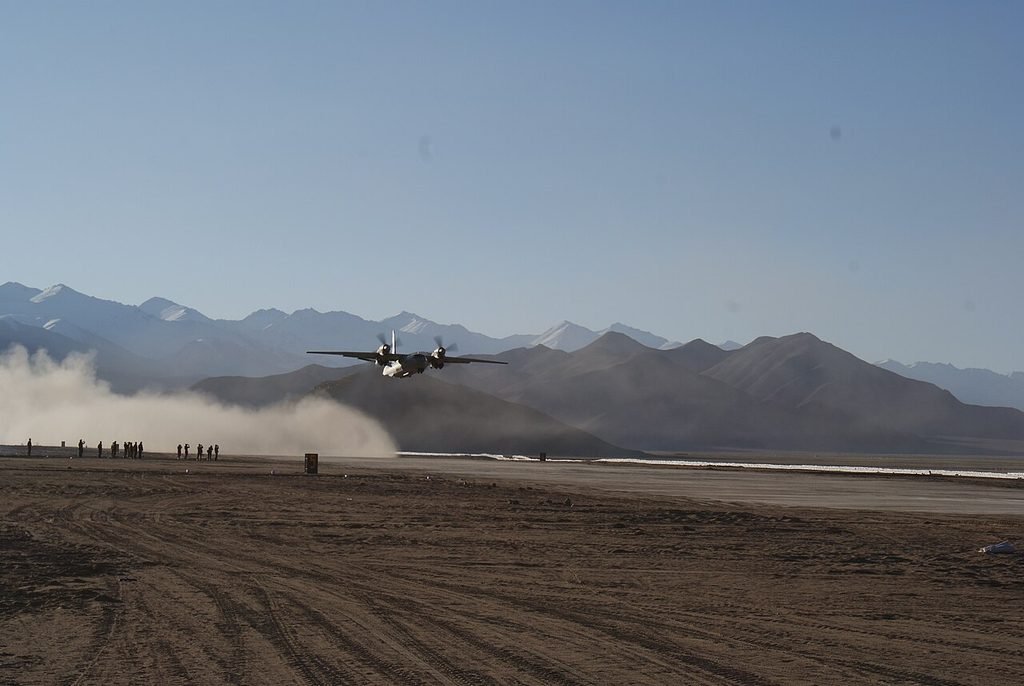
Since Operation Meghdoot began in 1984, the Indian Air Force has sustained Indian positions on the Siachen Glacier through extreme altitude airlift, reconnaissance, and casualty evacuation. During the Kargil War, Operation Safed Sagar demonstrated high altitude precision strike and night attack capabilities despite thin air, ballistic limitations, and shoulder fired missile threats.
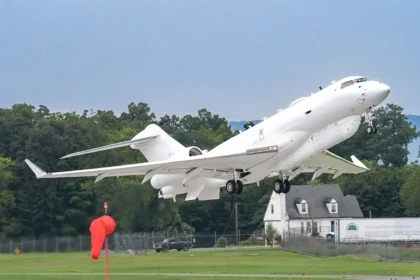
The IAF’s high altitude aviation record includes the C130 J30 Super Hercules landing at Daulat Beg Oldie in 2013 at 16,614 feet. More recently, the upgraded Mudh Nyoma airbase in Eastern Ladakh has strengthened India’s ability to operate fighters, helicopters, and transport aircraft close to the LAC.
MARCOS at Pangong Tso
The Indian Navy’s Marine Commandos, or MARCOS, deployed to Pangong Tso during the Eastern Ladakh standoff. Operating above 14,000 feet alongside Army Para Special Forces, Special Frontier Force personnel, and IAF Garuds, MARCOS conduct high altitude lake patrols, cold weather reconnaissance, and specialized maritime style operations in a contested Himalayan environment.
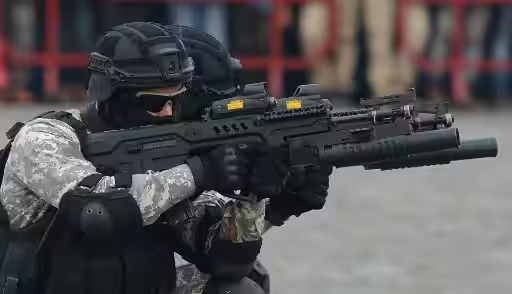
This deployment reflects India’s growing tri service integration and the recognition that modern Himalayan deterrence requires land, air, maritime, cyber, electronic warfare, and space enabled capabilities.
India’s Strategic advantage in High Altitude Warfare
India’s high altitude warfare strength is not built on a single weapon system. It is an architecture that combines:
- Mountain warfare doctrine and HAWS training.
- Scientific acclimatization and physiological protection.
- Indigenous cold weather clothing and nutrition.
- High altitude logistics and border infrastructure.
- Air maintenance, precision strike, and forward basing.
- Tri service special operations.
- DRDO laboratories and Indian defence industry partnerships.
- Lessons learned from Operation Vijay and the Kargil War.
Together these elements allow India to preserve combat power in one of the world’s most hostile operational environments where survival, mobility, morale, and technology must succeed together before victory becomes possible.
Conclusion:
There will always a challange in higher altitude for a living thing sepcifically a human. We have to accept the hardness of nature in Himalayas then only we can overcome both challanges physical as well as technological and this hardness is for everyone who is operating in Himalayas (the higher altude).
But as we know and our history also tells us Powerful People Makes Places Powerful thats our Indian Army. Thank you.