


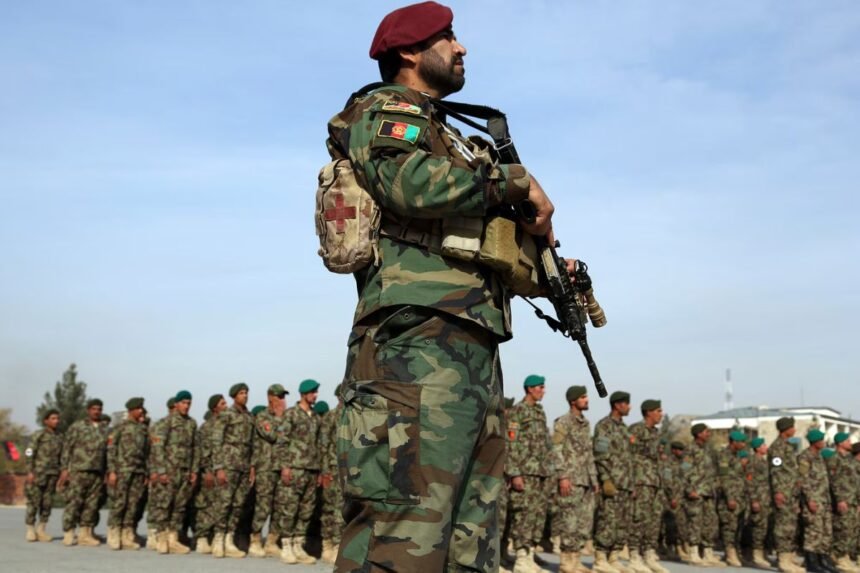
The Afghan Taliban military, officially known as the Islamic Emirate of Afghanistan Armed Forces, has transformed from a decentralized guerrilla insurgency into a structured national military force. As of 2026, the Taliban controls:
- Taliban Military Strength 2026
- The Birth: How the US and Pakistan Created the Taliban
- CIA’s Role in Taliban Formation (1980s-1994)
- Key Historical Timeline:
- Pakistan’s Strategic Objectives Behind Taliban Support
- Pakistan’s Comprehensive Military Training Infrastructure for Taliban
- ISI’s Direct Role in Taliban Military Development
- Training Programs Timeline:
- Military Training Specializations Provided by Pakistan
- Supply Chain Support: Uninterrupted Logistics
- Current Troop Numbers: Taliban Armed Forces Organization (2024-2026)
- Official Force Structure Post-2021 Takeover
- Command Leadership:
- Personnel Breakdown by Category
- Regional Military Comparison: Taliban vs Pakistan
- Elite Special Forces: Badri 313 Battalion
- Captured Weapons Arsenal: The $7 Billion Equipment
- Historic Military Equipment Seizure (August 2021)
- Total Equipment Value:
- Comprehensive Weapons Inventory Breakdown
- Small Arms and Light Weapons
- Vehicle Fleet
- Aviation Assets
- Advanced Tactical Equipment
- Strategic Transformation Impact
- Military Comparison: Why Taliban Defeats Pakistan’s Conventional Forces
- Theoretical Military Balance: Pakistan’s Overwhelming Superiority
- Pakistan’s Conventional Military Advantages:
- Reality: Asymmetric Warfare Advantage Favors Taliban
- Why Taliban Forces Are Superior in Practice:
- February 2026 Conflict: Taliban Tactical Superiority
- Tactical Results (February 2026):
- Drone Warfare: Taliban’s Technological Leap
- Why Pakistan Cannot Win Conventional War Against Taliban
- Psychological Warfare: Breaking Pakistan’s Will to Fight
- Taliban’s Sophisticated Information Operations Infrastructure
- Media Production Infrastructure:
- Digital Battlefield: Social Media as Weapon System
- Key Psychological Messages:
- Target Audience Segmentation
- Exploiting Pakistan’s Internal Divisions
- PTI Political Crisis Exploitation:
- Ethnic Tension Amplification:
- Traditional Psychological Warfare: Night Letters (Shabnamah)
- Strategic Psychological Effects
- The TTP Proxy War: Strategic Depth Reversed Against Pakistan
- The Complete Collapse of Pakistan’s Afghanistan Policy
- Historical Irony:
- TTP: Origins and Organizational Structure
- Stated Objectives:
- Post-2021 Taliban Takeover: TTP’s Resurrection
- August 2021 Immediate Actions:
- Afghan Taliban Support for TTP Operations
- TTP Attack Tempo: Statistical Analysis
- High-Profile TTP Attacks (2024-2026):
- Pakistani Military Response: Operation Ghazab Lil Haq
- TTP Geographic Expansion
- Why Pakistan Cannot Defeat TTP
- Balochistan Insurgency: The Southern Front Against Pakistan
- Geographic and Strategic Importance
- Historical Context: Six Decades of Resistance
- Major Baloch Insurgent Organizations
- Taliban-TTP-Baloch Insurgent Coordination
- Mutual Benefits:
- Impact: Multi-Front Insurgency Overwhelming Pakistan
- Recent Baloch Insurgent Operations
- Chinese Economic Interests Under Threat
- Pakistan’s Systematic Human Rights Violations in Balochistan
- The “Kill and Dump” Policy: State-Sponsored Disappearances
- Forced Disappearances Statistics:
- Systematic Torture and Extrajudicial Killings
- International Documentation
- Economic Exploitation and Resource Theft
- Military Occupation and Population Control
- February 2026: Pakistan’s War Crimes in Afghanistan
- Comparative Moral Analysis: Taliban vs Pakistan Military
- Conclusion:
- Active Personnel: 165,000-172,000 troops (with plans to expand to 200,000)
- Total Security Forces: Over 378,000 including police and militias
- Captured US Equipment: Approximately $7 billion worth of NATO-standard weapons
- Elite Forces: Specialized units like Badri 313 Battalion with advanced training
- Combat Experience: Two decades of continuous warfare against US-led coalition forces
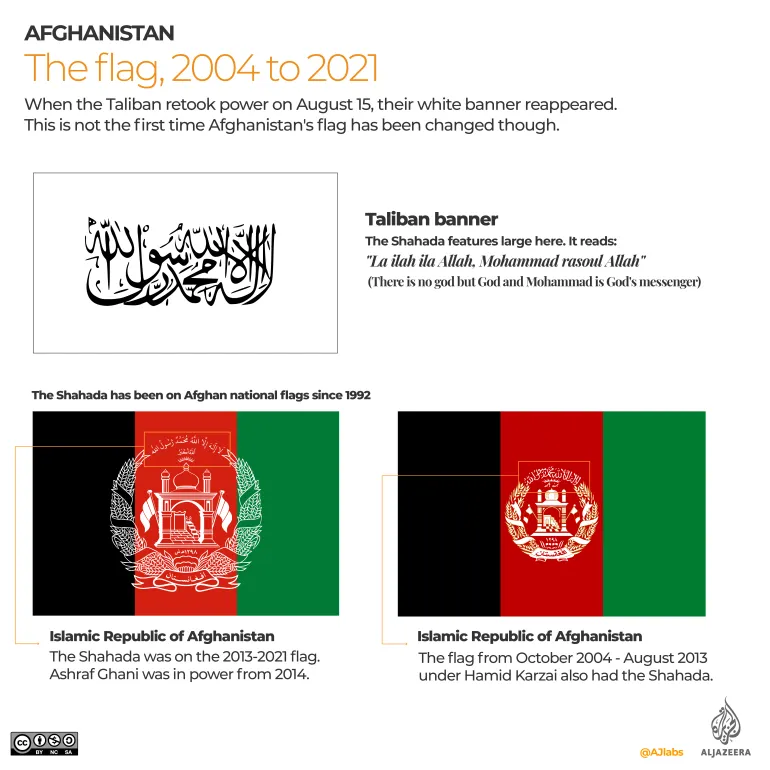
Taliban Military Strength 2026
| Category | Specification |
|---|---|
| Total Active Forces | 172,000+ soldiers |
| Elite Commandos | Badri 313 Battalion (specialized units) |
| Assault Rifles | 264,600 (mainly M4 carbines, M16 rifles, AKs) |
| Armored Vehicles | Approximately 23,200 (Humvees, MRAPs, APCs) |
| Combat Aircraft | 78-208 (Black Hawks, MD-530s, Soviet-era aircraft) |
| Light Tactical Vehicles | Approx 42,000 (Toyota pickups, Ford Rangers) |
| Advanced Equipment | Night-vision goggles, encrypted radios, body armor |
| Drone Capabilities | Operational UAVs for cross-border strikes |
The Birth: How the US and Pakistan Created the Taliban
CIA’s Role in Taliban Formation (1980s-1994)
Understanding Afghan Taliban military strength requires examining its historical origins. The Taliban’s emergence was not a grassroots movement but a deliberately engineered proxy force created to serve Cold War geopolitical objectives.
Key Historical Timeline:
1979-1989: Soviet-Afghan War Era
- US Central Intelligence Agency (CIA) channeled billions through Pakistan’s Inter-Services Intelligence (ISI)
- Purpose: Arm and radicalize Afghan mujahideen to counter Soviet expansion
- Result: Created heavily armed, ideologically extremist networks across Afghanistan
1989-1994: Post-Soviet Power Vacuum
- United States abruptly withdrew from the region
- Left behind: Fractured, weapons-saturated Afghanistan
- Power struggle among competing mujahideen factions
1994: Taliban Formation
- Core group: Students from Pakistani and Afghan madrasas (religious schools)
- Organizers: Pakistan’s ISI under direct military supervision
- Initial leader: Mullah Mohammad Omar (trained at ISI camps in 1980s)
Pakistan’s Strategic Objectives Behind Taliban Support
Pakistan’s military establishment supported the Taliban’s creation for multiple strategic reasons:
- Strategic Depth Against India: Install compliant government in Kabul as buffer against regional rival
- Suppress Pashtun Nationalism: Counter demands for independent “Pashtunistan” threatening Pakistan’s territorial integrity
- Religious Radicalization Strategy: Replace ethnic Pashtun nationalism with Deobandi fundamentalism
- Regional Dominance: Establish puppet regime renouncing territorial claims across disputed Durand Line
Both Washington’s Cold War calculations and Islamabad’s regional ambitions converged to create the Taliban a proxy force that would eventually challenge both its creators.
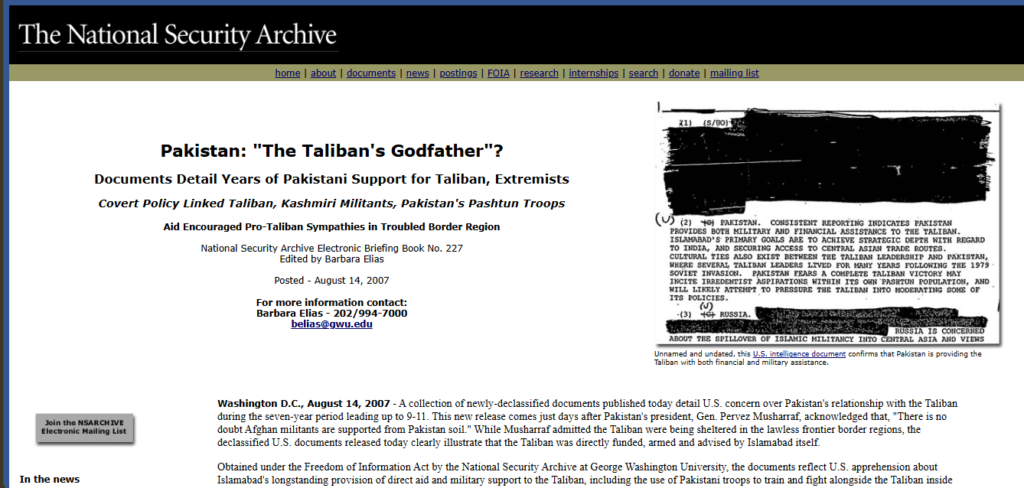
Pakistan’s Comprehensive Military Training Infrastructure for Taliban
ISI’s Direct Role in Taliban Military Development
The Pakistan military’s support for Taliban forces represents decades of systematic training, weapons supply, and strategic guidance—arguably the world’s most extensive state-sponsored insurgency support program.
Training Programs Timeline:
1994-1996: Initial Taliban Offensive
- ISI provided: Mid-level commanders, military advisors, direct combat support
- Special forces involvement: Special Services Group (SSG) commandos embedded with Taliban units
- Result: Taliban captured Kabul in September 1996
1996-2001: Taliban Regime Era
- Pakistan deployed: Hundreds of military advisors to Kabul government
- Technical support: Specialists for operating tanks, artillery, Soviet-era aircraft
- Combat units: SSG teams fought alongside Taliban foot soldiers
2001-2021: Post-9/11 Insurgency Period
- The Double Game: Pakistan publicly allied with US while secretly supporting Taliban
- Safe Havens: ISI protected Taliban leadership in Quetta, Peshawar, Karachi
- Quetta Shura: Taliban’s top leadership council operated under direct ISI protection
- Training Camps: Systematic guerrilla warfare, IED construction, ambush tactics training
Military Training Specializations Provided by Pakistan
The ISI’s training curriculum transformed Taliban fighters from conventional militiamen into sophisticated insurgents:
| Training Category | Specific Skills Taught |
|---|---|
| Guerrilla Tactics | Hit-and-run operations, terrain exploitation, mobile warfare |
| IED Construction | Improvised explosive devices, roadside bombs, pressure-plate triggers |
| Ambush Operations | Complex attack coordination, L-shaped ambushes, killzone tactics |
| Operational Security | Communications security, infiltration techniques, intelligence gathering |
| Haqqani Network Expertise | Advanced insurgent tactics through ISI-controlled Haqqani faction |
Supply Chain Support: Uninterrupted Logistics
Pakistan ensured Taliban war efforts never faltered despite international sanctions:
- Daily Supply Runs: Up to 30 trucks daily crossing Afghanistan-Pakistan border during major offensives
- Ammunition Types: Artillery shells, tank rounds, rocket-propelled grenades
- Landmines: Pakistani-manufactured anti-personnel and anti-vehicle mines regularly discovered in Afghanistan
- Fuel Supplies: Critical petroleum products for Taliban mobile warfare operations
Former US Chairman of Joint Chiefs Admiral Michael Mullen (2011): The Haqqani Network a key Taliban component “operates as a veritable arm of Pakistan’s ISI.”
Current Troop Numbers: Taliban Armed Forces Organization (2024-2026)
Official Force Structure Post-2021 Takeover
Following the August 2021 return to power, the Taliban consolidated fragmented insurgent groups into a unified national military structure under the Ministry of Defense.
Command Leadership:
- Ministry of Defense: General Mullah Yaqoob (son of Mullah Omar)
- Chief of Staff: General Qari Fasihuddin
Personnel Breakdown by Category
Pre-Takeover Insurgency Estimates (2017-2020):
- Core fighting force: 60,000-75,000 full-time battle-tested fighters
- Local militias: ~90,000 tribal fighters
- Support network: Tens of thousands of logistics personnel, intelligence gatherers
- Total mobilization capacity: 200,000+ personnel
Post-Takeover Official Military (2024-2026):
| Force Component | Personnel Numbers | Source |
|---|---|---|
| Active Military | 172,000+ | IISS, Global Firepower |
| Police Forces | 210,121 | Taliban Ministry of Interior |
| Pro-Taliban Militias | Variable | Local defense units |
| Total Security Apparatus | 378,000+ | Taliban government claims |
| Expansion Target | 200,000 (planned) | Ministry of Defense announcement |
Regional Military Comparison: Taliban vs Pakistan
To contextualize Taliban military strength, comparison with Pakistan their primary regional adversary is essential:
| Category | Afghan Taliban | Pakistan Armed Forces |
|---|---|---|
| Active Personnel | 165,000-172,000 | 660,000 |
| Army/Ground Forces | Approx 170,000 | 560,000 |
| Air Force Personnel | Minimal/Unknown | 70,000 |
| Naval Personnel | N/A (landlocked) | 30,000 |
| Reserve Forces | Variable militia | 550,000 |
| Paramilitary | Integrated into total | 500,000 |
Critical Analysis: While Pakistan holds numerical superiority, Taliban forces possess:
- Two decades of continuous combat experience
- Superior asymmetric warfare capabilities
- Intimate terrain knowledge
- Ideological cohesion and morale advantages
Elite Special Forces: Badri 313 Battalion
The Badri 313 Battalion represents the Taliban’s most lethal and professional military unit:
Training Duration: 4 weeks to 6 months intensive programs
Specializations:
- Complex urban combat operations
- High-value target infiltration
- Suicide attack coordination (pre 2021)
- VIP protection and critical infrastructure security
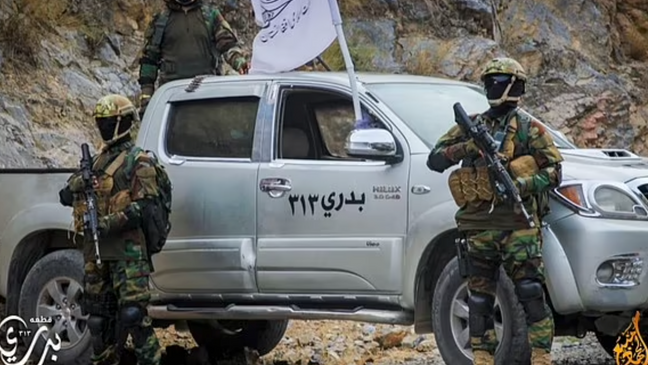
Notable Operations:
- 2018 G4S compound attack (pre-takeover)
- Current deployment: Kabul International Airport security, Presidential Palace protection
- Equipment: NATO-standard weapons, night-vision goggles, advanced communications
Operational Comparison: Badri 313 tactical proficiency matches international special operations forces in terms of:
- Mission success rates
- Equipment sophistication
- Tactical discipline
- Combat effectiveness
Captured Weapons Arsenal: The $7 Billion Equipment
Historic Military Equipment Seizure (August 2021)
The Taliban’s rapid takeover of Afghanistan resulted in the largest unauthorized military equipment transfer in modern history fundamentally altering South Asian regional power dynamics.
Total Equipment Value:
- Estimated Worth: Approximately $7 billion in US military hardware
- Source: US Department of Defense, Government Accountability Office reports
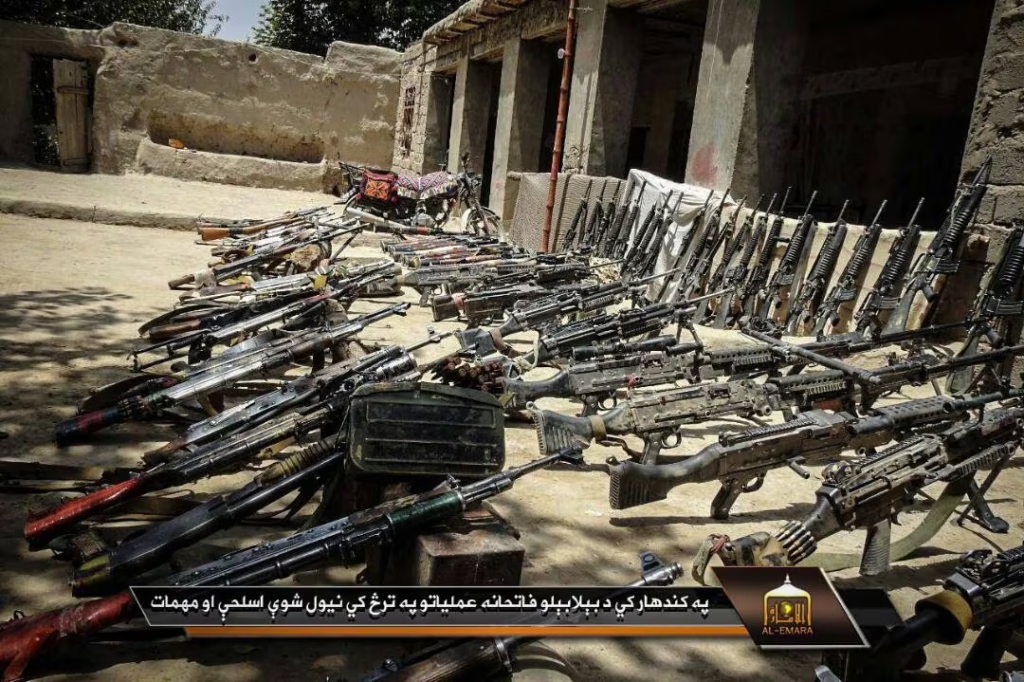
- Percentage Retained: Nearly 75% of 427,015 small arms purchased for Afghan government (2003-2021)
Comprehensive Weapons Inventory Breakdown
Small Arms and Light Weapons
| Weapon Category | Quantity Captured | Specific Models | Strategic Impact |
|---|---|---|---|
| Assault Rifles & Carbines | 264,600 | M4 carbines, M16 assault rifles | Replaced Soviet AK-variants in frontline units |
| Sidearms/Pistols | 64,300 | Glocks, M1911 variants | Widespread distribution to commanders |
| Machine Guns | 56,155 | M240, M249 SAW | Massive suppressive firepower capability |
| Light Explosive Weapons | 32,845 | RPG launchers, 40mm grenade launchers, 60-82mm mortars | Enhanced infantry firepower |
| Tactical Shotguns | 9,115 | Mossberg, Remington combat shotguns | Urban combat specialization |
Vehicle Fleet
| Vehicle Type | Quantity | Models | Tactical Advantage |
|---|---|---|---|
| Light Tactical Vehicles | Approx 42,000 | Toyota pickups, Ford Rangers | Backbone of mobile infantry operations |
| Armored Humvees | Approx 22,000 | HMMWVs with armor packages | Protected mobility against small arms/IEDs |
| MRAPs & APCs | Approx 1,200 | Mine-Resistant Ambush Protected vehicles | High survivability against explosives |
| Tanks & Artillery | Unknown (substantial) | Soviet-era main battle tanks | Conventional warfare capability |
Aviation Assets
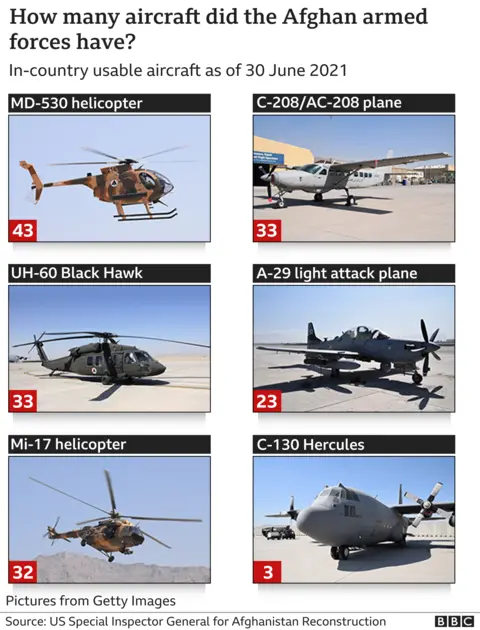
Total Aircraft: 78-208 units (operational status varies)
- US-Made Helicopters: Black Hawk utility helicopters, MD-530 attack helicopters
- Soviet-Era Aircraft: Fixed-wing aircraft from Afghan Air Force
- Maintenance Challenge: Limited technical expertise for sustained operations
- Current Capability: Operational but constrained air power
Advanced Tactical Equipment
Quantity: Hundreds of thousands of units
- Night-Vision Goggles (NVGs): Eliminate Pakistan’s traditional nighttime combat advantage
- Encrypted Tactical Radios: Secure communications networks
- Kevlar Body Armor: Enhanced soldier survivability
- Combat Helmets: Modern ballistic protection
- Optics and Sights: Advanced targeting systems for rifles
Strategic Transformation Impact
The captured equipment fundamentally changed Taliban military capabilities:
Before August 2021:
- Light infantry force with AK-47s and RPGs
- Limited mechanization
- No standardized equipment
- Guerrilla warfare focus
After August 2021:
- Mechanized infantry with NATO-standard weapons
- Armored vehicle fleet
- Modern communications and night-fighting capability
- Ability to conduct conventional military operations
Elite Unit Modernization: Badri 313 Battalion transformation exemplifies the change:
- Old Equipment: Traditional Afghan clothing, AK-47s, basic equipment
- New Equipment: Standard camouflage uniforms, M4 carbines with advanced optics, plate carriers, NVGs, encrypted radios
Regional Security Implication: Night-vision capability proliferation eliminates conventional military advantage previously enjoyed by Pakistan and other regional powers.
Military Comparison: Why Taliban Defeats Pakistan’s Conventional Forces
Theoretical Military Balance: Pakistan’s Overwhelming Superiority
On paper, Pakistan should dominate any military confrontation with the Taliban:
Pakistan’s Conventional Military Advantages:
| Military Capability | Pakistan’s Assets |
|---|---|
| Total Active Forces | 660,000 troops |
| Combat Aircraft | 465+ (F-16s, Mirage, JF-17 Thunder) |
| Armored Vehicles | 6,000+ tanks and fighting vehicles |
| Artillery Systems | 4,600+ pieces (including self-propelled) |
| Nuclear Weapons | Advanced tactical and strategic nuclear arsenal |
| Defense Budget | Multi-billion dollar annual spending |
| Naval Power | Modern submarine and surface fleet |
Reality: Asymmetric Warfare Advantage Favors Taliban
Despite massive conventional military disparity, Taliban forces consistently outperform Pakistan in actual combat scenarios. The February 2026 conflict provided definitive proof.
Why Taliban Forces Are Superior in Practice:
1. Combat Experience Differential
- Taliban: 20 years continuous high-intensity warfare against US/NATO forces
- Pakistan: Limited recent conventional combat experience
- Result: Battle-hardened Taliban fighters vs. demoralized Pakistani conscripts
2. Asymmetric Warfare Mastery
- Taliban Strength: Guerrilla tactics, decentralized operations, terrain exploitation
- Pakistan Weakness: Rigid conventional doctrine, predictable operations, logistics dependence
3. Terrain Knowledge Advantage
- Taliban: Intimate understanding of Afghanistan-Pakistan border geography
- Exploitation: Deep valleys (wadis), seasonal flood paths, natural concealment from ISR
- Pakistan Challenge: Limited situational awareness in complex terrain
4. Operational Flexibility
- Taliban: Small, mobile units with autonomous decision-making
- Pakistan: Large, bureaucratic formations with slow command cycles
5. Morale and Motivation
- Taliban: Ideological commitment, religious motivation, defensive posture
- Pakistan: Low morale, fighting unpopular war, corruption issues
February 2026 Conflict: Taliban Tactical Superiority
Pakistan’s Approach:
- Operation “Ghazab Lil Haq” (Wrath for the Truth)
- Heavy reliance on airstrikes against cities: Kabul, Kandahar, Paktia
- Conventional combined-arms operations
- Expected enemy behavior patterns
Taliban’s Counter-Strategy:
- Decentralized ground assaults exploiting Pakistani military rigidity
- Use of terrain for concealment from air reconnaissance
- Rapid flanking maneuvers and encirclements
- Targeted attacks on vulnerable supply lines
Tactical Results (February 2026):
Taliban Achievements:
- Captured 15-19 Pakistani military posts along border
- Killed 40-55 Pakistani soldiers (Afghan claims)
- Successful drone strikes deep inside Pakistan:
- Military camp near Faizabad, Islamabad
- Army artillery school, Nowshera
- Military academy, Abbottabad
- Demonstrated ability to project force into Pakistani heartland
Pakistan’s Failures:
- Failed to achieve air superiority despite numerical advantage
- Unable to defend border outposts
- Civilian casualty heavy airstrikes damaging international reputation
- Exposed vulnerability to drone warfare
Drone Warfare: Taliban’s Technological Leap
The Taliban’s successful integration of armed drone warfare represents a paradigm shift:
Capabilities Demonstrated:
- Penetration of Pakistan’s multi-billion-dollar air defense network
- Precision strikes on hardened military targets
- Deep-strike capability (hundreds of kilometers into Pakistan)
- Tactical surprise and psychological impact
Technology Assessment:
- Platform Type: Basic commercial UAVs modified with explosive payloads
- Sophistication: Low cost, high impact asymmetric weapon
- Strategic Effect: Neutralizes Pakistan’s conventional air superiority
Why Pakistan Cannot Win Conventional War Against Taliban
Fundamental Asymmetry:
- Pakistan needs total victory to justify military action
- Taliban needs only survival and attrition to win strategically
- Insurgent forces always have lower operational thresholds
Pakistan’s Structural Weaknesses:
- Logistics Vulnerability: Motorized convoys on predictable routes = IED targets
- Political Instability: Internal divisions undermine military effectiveness
- Economic Constraints: Cannot sustain prolonged high-intensity operations
- Morale Crisis: Soldiers questioning purpose of fighting former allies
Taliban’s Structural Advantages:
- Suicide Battalions: Willing to accept tactical deaths for strategic gains
- Local Support: Pashtun tribal networks provide intelligence and shelter
- Adaptability: Quick tactical adjustments based on battlefield results
- Endurance: Proven capacity for decades-long resistance
Psychological Warfare: Breaking Pakistan’s Will to Fight
Taliban’s Sophisticated Information Operations Infrastructure
The Taliban’s psychological operations (PSYOPS) capabilities rival state-level information warfare programs, representing a critical force multiplier beyond conventional military strength.
Media Production Infrastructure:
Primary Organization: Umar Media (Taliban’s official media wing)
Content Production:
- High quality combat footage with professional editing
- Multi-language propaganda (Pashto, Urdu, English, Arabic)
- Social media optimization for viral spread
- Staged psychological impact videos
Digital Battlefield: Social Media as Weapon System
Platform Strategy:
- Primary Platform: Twitter for real-time messaging
- Content Types: Combat videos, surrender footage, casualty claims, psychological messaging
- Distribution Network: Coordinated amplification through supporter accounts
- Frequency: Daily content during active operations
Key Psychological Messages:
- Invincibility Narrative: Taliban portrayed as omnipresent, unavoidable force
- Pakistani Military Weakness: Highlighted surrenders, failed operations, casualty reports
- Demoralization Content: Videos showing isolated Pakistani outposts being overrun
- Recruitment Messaging: Success stories attracting Pakistani Pashtuns to TTP cause
Target Audience Segmentation
Primary Targets:
- Pakistani soldiers deployed along Durand Line border
- Pashtun communities in Pakistan’s tribal areas
- Pakistani civilian population questioning military policies
- International observers and media
Psychological Impact on Pakistani Soldiers:
- Pre-deployment anxiety seeing Taliban combat effectiveness
- Reduced combat effectiveness due to fear
- Increased desertion and surrender rates
- Questioning legitimacy of mission
Exploiting Pakistan’s Internal Divisions
The Taliban skillfully manipulates Pakistan’s domestic political fractures:
PTI Political Crisis Exploitation:
Pakistan government’s suppression of Pakistan Tehreek-e-Insaf (PTI) political party
Taliban Information Operations:
- AI-Generated Content: Fake news about PTI leadership deaths
- Rumor Campaigns: False reports of Imran Khan’s assassination
- Objective: Incite panic, encourage rebellion against military establishment
- Result: Amplified existing tensions between military and civilian populations
Ethnic Tension Amplification:
Pashtun Grievances:
- Historical Pakistani government discrimination
- Civilian displacement in military operations
- Economic marginalization of tribal areas
- Forced conscription complaints
Taliban Messaging:
- Framing conflict as Pashtun resistance against Punjabi dominated military
- Highlighting civilian casualties from Pakistani airstrikes
- Promoting ethnic nationalism alongside religious appeals
- Positioning Taliban as defenders of Pashtun honor
Traditional Psychological Warfare: Night Letters (Shabnamah)
- Threats against Pakistani government collaborators
- Warnings to tribal leaders (maliks) supporting military
- Promises of harsh punishment for “traitors”
- Religious justifications for resistance
Strategic Psychological Effects
The cumulative impact of Taliban:
On Pakistani Military:
- Degraded unit cohesion and fighting spirit
- Increased operational security concerns
- Hesitation in offensive operations
- Mental health impacts (PTSD, anxiety)
On Pakistani Civilians:
- Questioning military’s competence
- War-weariness and desire for peace
- Sympathy for Taliban narrative in Pashtun areas
- Political pressure on government
On International Perception:
- Taliban portrayed as legitimate resistance force
- Pakistan shown as aggressor with poor human rights record
- Shifting diplomatic narrative favorable to Taliban
Taliban’s mastery of psychological warfare represents their most cost effective military capability systematically eroding Pakistani will to fight before kinetic engagement even begins.
The TTP Proxy War: Strategic Depth Reversed Against Pakistan
The Complete Collapse of Pakistan’s Afghanistan Policy
The Tehrik-e-Taliban Pakistan (TTP) insurgency represents the ultimate failure of Pakistan’s decades-long “strategic depth” doctrine with the Afghan Taliban now actively supporting proxy warfare against their former Pakistani patrons.
Historical Irony:
- 1990s: Pakistan created Afghan Taliban for strategic depth against India
- 2026: Afghan Taliban provides strategic depth to TTP against Pakistan
- Result: Complete reversal of Pakistan’s regional strategy
TTP: Origins and Organizational Structure
Formation: December 2007
Founder: Baitullah Mehsud
Current Leader: Mufti Noor Wali Mehsud (since 2018)
Stated Objectives:
- Overthrow Pakistani government
- Establish Islamic state based on strict Sharia interpretation
- Expel Pakistani military from tribal areas (FATA/Khyber Pakhtunkhwa)
- Support Afghan Taliban against foreign forces
Post-2021 Taliban Takeover: TTP’s Resurrection
The Afghan Taliban’s return to power fundamentally transformed TTP capabilities:
August 2021 Immediate Actions:
Prisoner Releases:
- Afghan Taliban freed 2,000+ TTP fighters from Afghan prisons
- Included senior commanders and operational specialists
- Immediate force reconstitution for TTP
Safe Haven Provision:
- TTP relocated headquarters to Afghanistan
- Training camps established in eastern provinces
- Free movement across Afghanistan-Pakistan border
- Complete protection from Pakistani pursuit
Organizational Restructuring:
- TTP adopted centralized Afghan Taliban command model
- Improved operational coordination and strategic planning
- Enhanced fundraising and logistics networks
Formal Allegiance:
- TTP leader Mufti Noor Wali Mehsud pledged bay’ah (oath of allegiance) to Taliban supreme leader Hibatullah Akhundzada
- Integration into broader Islamic Emirate operational network
- Ideological and tactical coordination formalized
Afghan Taliban Support for TTP Operations
Weapons Transfer:
- Captured NATO equipment shared with TTP
- Modern small arms replacing aging Soviet weapons
- Night-vision goggles and communications equipment
- Explosives and IED components
Training Facilities:
- Combat training camps in Kunar and Nuristan provinces
- Specialized instruction in:
- Suicide bombing tactics
- Complex attack coordination
- Urban warfare techniques
- Intelligence gathering
Operational Coordination:
- Joint planning for cross-border operations
- Intelligence sharing on Pakistani military positions
- Logistics support for infiltration routes
- Medical treatment for wounded fighters
TTP Attack Tempo: Statistical Analysis
Post-Taliban Takeover Violence Surge:
| Year | TTP Attacks | % Change | Notable Incidents |
|---|---|---|---|
| 2020 | Approx 174 attacks (14.5/month avg) | Baseline | Limited operations |
| 2021 | 56% increase | +56% | Taliban takeover boost |
| 2022 | 549 attacks (45.8/month avg) | +216% | Operation Al-Badr spring offensive |
| 2023-2024 | Sustained high tempo | Continued | Expanded to Balochistan |
| 2025-2026 | Escalating | Ongoing | Major attacks in Islamabad |
High-Profile TTP Attacks (2024-2026):
February 2026 Trigger Incidents:
- Islamabad Shiite Mosque Bombing: Suicide attack killed 36 civilians
- Bajaur Checkpoint Attack: 11 Pakistani soldiers and 1 child killed
- Bannu District Operations: Multiple attacks on security forces
Pakistani Casualties (2021-2026):
- Military: Thousands killed
- Civilians: Hundreds killed in targeted attacks
- Economic Damage: Billions in security costs and lost investment
Pakistani Military Response: Operation Ghazab Lil Haq
Launch Date: February 21, 2026
Objective: Destroy TTP camps in Afghanistan
Results:
- Claimed: 80+ TTP militants killed in airstrikes
- Reality: Heavy civilian casualties (18 civilians killed in Nangarhar, including 11 children)
- Afghan Response: Retaliatory military offensive against Pakistan
- Outcome: Escalation to “open war” declaration by Pakistan
TTP Geographic Expansion
Traditional Areas: Federally Administered Tribal Areas (FATA), Khyber Pakhtunkhwa
New Expansion (2023-2026):
Balochistan Province:
- Kalat-Makran Chapter: Southern Balochistan operations
- Zhob Chapter: Northern Balochistan coordination
- Strategic Partnership: Alliance with Baloch nationalist insurgents (BLA, BLF)
- Mutual Support: TTP provides training/weapons; Baloch groups provide safe passage and intelligence
Why Pakistan Cannot Defeat TTP
Structural Challenges:
- Afghan Sanctuary: Taliban protection ensures TTP survival regardless of Pakistani operations
- Local Support: Pashtun tribal sympathy in border regions
- Decentralized Structure: No single critical node to eliminate
- Ideological Motivation: Willing martyrdom reduces deterrent effect
- Recruitment Pipeline: Grievances against Pakistani military ensure steady recruits
Pakistani Military Limitations:
- Cannot pursue into Afghanistan without escalating international conflict
- Domestic operations create civilian casualties, fueling recruitment
- Economic crisis limits sustained counterinsurgency funding
- Corruption and low morale reduce operational effectiveness
Balochistan Insurgency: The Southern Front Against Pakistan
Geographic and Strategic Importance
Balochistan Province:
- Size: Largest Pakistani province by area (44% of national territory)
- Population: ~12 million (predominantly Baloch ethnic group)
- Resources: Natural gas, gold, copper, coastal access to Arabian Sea
- Status: Disputed territory, forcibly annexed into Pakistan (1948)
- Strategic Value: China-Pakistan Economic Corridor (CPEC) routes
Historical Context: Six Decades of Resistance
Baloch Insurgency Timeline:
- 1948: Initial resistance to Pakistani annexation
- 1958-59: First major Baloch uprising
- 1962-63: Second insurgency wave
- 1973-77: Third insurgency (most intense pre-2000)
- 2004-Present: Fourth and ongoing insurgency
Major Baloch Insurgent Organizations
Balochistan Liberation Army (BLA):
- Ideology: Secular Baloch nationalism
- Objective: Independent Balochistan state
- Tactics: Attacks on Pakistani military, infrastructure sabotage, targeted killings
- International Designation: Designated terrorist organization by Pakistan, US, UK
Balochistan Liberation Front (BLF):
- Focus: Armed resistance against Pakistani state
- Operations: Guerrilla warfare, attacks on security forces
- Leadership: Decentralized command structure
Other Groups: Baloch Republican Army (BRA), Lashkar-e-Balochistan, United Baloch Army (UBA)
Taliban-TTP-Baloch Insurgent Coordination
Strategic Alliance Formation (2021-Present):
The unprecedented cooperation between religiously-motivated TTP and secular Baloch nationalist groups represents a common enemy convergence:
Mutual Benefits:
TTP Provides to Baloch Insurgents:
- Advanced military training in Afghan camps
- NATO-standard weapons from captured equipment
- Suicide bombing expertise and IED construction
- Operational planning assistance
- Religious legitimacy to operations (selective)
Baloch Groups Provide to TTP:
- Safe transit routes through southern Balochistan to Afghanistan
- Intelligence on Pakistani military positions
- Shelter in remote Baloch tribal areas
- Local logistics support
- Geographic expansion for TTP operations
Afghan Taliban Role:
- Facilitates coordination meetings
- Provides neutral ground for planning
- Shares intelligence on Pakistani military
- Supplies weapons to both groups
Impact: Multi-Front Insurgency Overwhelming Pakistan
Pakistani Military Dilemma:
- Northern Border: Afghan Taliban and TTP along entire Durand Line (2,600+ km)
- Southern Province: Baloch insurgency in vast, difficult terrain
- Urban Centers: Terrorist attacks in Islamabad, Lahore, Karachi
- Result: Overstretched military unable to concentrate forces
Geographic Challenge:
- Cannot seal Afghanistan-Pakistan border (mountainous, porous)
- Cannot control Balochistan’s remote areas (lacks local support)
- Cannot defend all urban centers simultaneously
- Cannot pursue insurgents into Afghan sanctuary
Recent Baloch Insurgent Operations
High Profile Attacks (2024-2026):
August 2024: Coordinated attacks across Balochistan killed 70+ people, including 23 soldiers
October 2024: Attack on coal mines in Duki district killed 21 miners
November 2024: Attack on Quetta railway station killed 26, injured 62
February 2026: Multiple attacks coordinated with TTP offensive during Pakistan-Afghanistan conflict
Targeting Patterns:
- Pakistani military convoys and checkpoints
- CPEC infrastructure (roads, power lines, construction sites)
- Punjabi settlers and “outsiders” in Balochistan
- Government buildings and installations
- Chinese nationals and projects
Chinese Economic Interests Under Threat
China Pakistan Economic Corridor (CPEC):
- Investment: $62 billion infrastructure development
- Strategic Importance: Land corridor from China to Arabian Sea
- Baloch Opposition: Viewed as resource exploitation and colonialism
Chinese Casualties:
- Multiple attacks on Chinese engineers and workers
- Increased security costs for CPEC projects
- Growing Chinese concerns about investment security
- Delays in project completion timelines
Pakistan’s Systematic Human Rights Violations in Balochistan
The “Kill and Dump” Policy: State-Sponsored Disappearances
While the Taliban’s governance is widely criticized for human rights abuses, a comparative analysis reveals Pakistan’s military operations in Balochistan constitute systematic crimes against humanity on a scale exceeding Taliban domestic repression.
Forced Disappearances Statistics:
Scale of Atrocities:
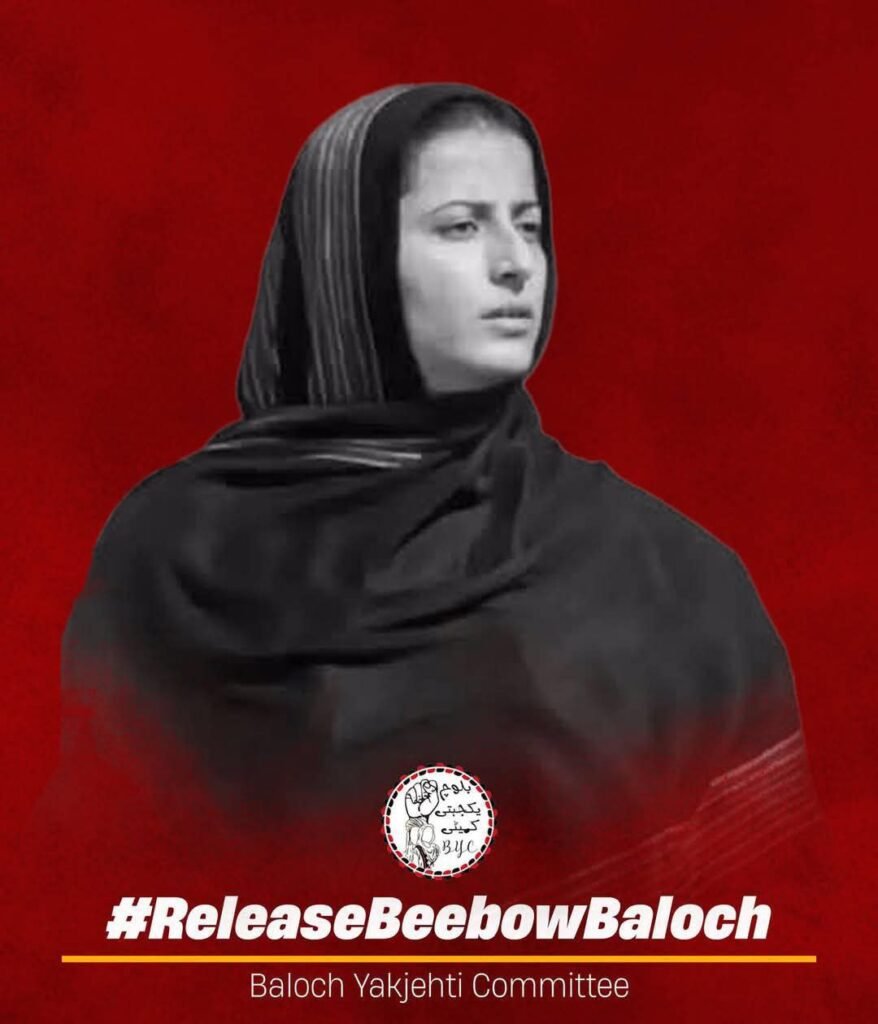
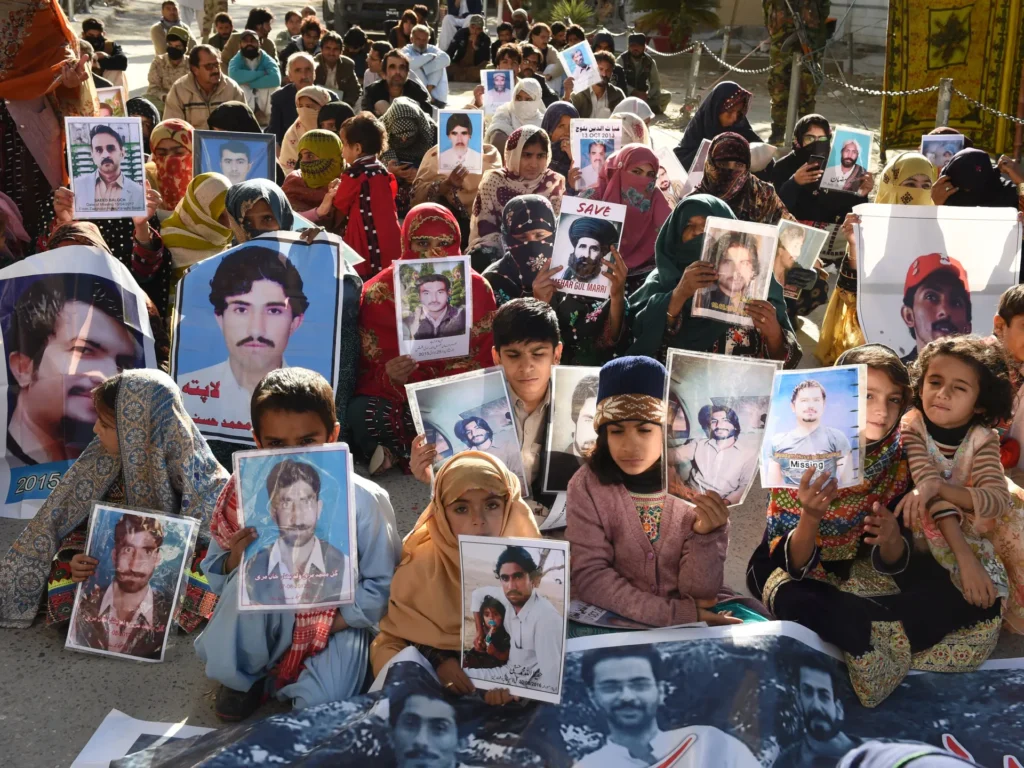
- Total Disappeared (2004-2024): 7,000+ documented cases (International Voice for Baloch Missing Persons)
- 2025 Escalation: 1,200+ new disappearances (including women and minors)
- Perpetrators: Pakistan military, ISI, paramilitary Frontier Corps
- Recovery Rate: Extremely low; most victims found dead
Systematic Torture and Extrajudicial Killings
Operational Pattern:
- Abduction Phase:
- Targets: Political activists, students, teachers, journalists, human rights defenders
- Method: Daylight kidnapping by uniformed military personnel
- Locations: Homes, workplaces, checkpoints, public spaces
- Detention Phase:
- Facilities: Secret military black sites, undisclosed detention centers
- Duration: Weeks to months of incommunicado detention
- Treatment: Systematic torture documented by survivors
- Murder and Disposal:
- Execution: Extrajudicial killing without trial
- Body Condition: Bullet wounds, burn marks, signs of torture
- Disposal: Bodies dumped in remote areas or unmarked mass graves
Mass Grave Discoveries:
- Mastung District: Multiple mass graves discovered containing dozens of bodies
- Forensic Evidence: Confirms systematic pattern of state violence
- Accountability: Zero prosecutions of military personnel
International Documentation
Human Rights Organizations’ Findings:
Amnesty International:
- Documented patterns of enforced disappearances
- Confirmed military and intelligence agency involvement
- Called for international intervention
Human Rights Watch:
- Detailed reports on torture in military detention
- Evidence of systematic targeting of Baloch activists
- Criticism of Pakistani government’s impunity culture
United Nations:
- Multiple working groups issued condemnations
- Calls for independent investigations
- Warnings of potential genocide
Lemkin Institute for Genocide Prevention:
- Genocide Warning Issued: Analysis indicates genocidal intent in Pakistani military operations
- Criteria Met: Targeting of ethnic group, destruction of cultural identity, systematic killing
- Conclusion: Pattern suggests attempt to eliminate Baloch political consciousness
Economic Exploitation and Resource Theft
Natural Resource Extraction:
- Natural Gas: Balochistan produces 36% of Pakistan’s gas but receives minimal royalties
- Mineral Wealth: Gold, copper, coal extracted with minimal local benefit
- CPEC Projects: Chinese Pakistani projects displace Baloch communities without compensation
Economic Marginalization:
- Lowest literacy rates in Pakistan
- Highest poverty levels
- Limited infrastructure investment
- Systematic exclusion from employment in major projects
Military Occupation and Population Control
Militarization of Balochistan:
- Extensive military checkpoints and bases
- Surveillance of civilian population
- Movement restrictions
- Communications monitoring
Collective Punishment:
- Aerial bombardments of villages suspected of harboring insurgents
- Destruction of civilian homes
- Mass displacements
- Curfews and siege tactics
Civilian Casualties:
- Pakistani airstrikes regularly kill civilians
- No distinction between combatants and non-combatants
- Women and children frequently among casualties
- No accountability mechanisms
February 2026: Pakistan’s War Crimes in Afghanistan
The Pakistan military’s conduct during the February 2026 conflict with Afghanistan demonstrates systematic disregard for civilian life:
Pakistani Airstrikes in Afghanistan:
Girdi Kas Village, Bihsud District, Nangarhar (February 21-22, 2026):
- Target: Single civilian home
- Casualties: 23 people trapped; 18 civilians killed, including 11 children
- Survivors: 5 injured civilians
- Military Objective: None evident; pure civilian target
Total Afghan Civilian Casualties (February 2026 Conflict):
- Killed: 37 civilians confirmed (UNAMA reporting)
- Injured: 26 civilians wounded
- Property Damage: Homes, religious schools, civilian infrastructure destroyed
- Pakistani Claim: Targeting “terrorist camps” (contradicted by evidence)
UNAMA Findings:
- Confirmed civilian nature of targets
- No evidence of militant presence at strike locations
- Pattern of indiscriminate bombing
- Violations of international humanitarian law
Comparative Moral Analysis: Taliban vs Pakistan Military
Taliban Domestic Governance (2021-2026):
- Restrictions: Women’s rights severely curtailed, education limited, strict social controls
- Violence: Public executions (limited), corporal punishment
- Political Repression: Suppression of dissent, imprisonment of activists
- Scale: Thousands affected by restrictive policies
Pakistani Military State Violence:
- Forced Disappearances: 7,000+ victims (2004-2024)
- Extrajudicial Killings: Thousands through “kill and dump” policy
- Torture: Systematic use in secret detention facilities
- Mass Graves: Multiple sites with dozens of bodies
- Genocide Warning: International recognition of elimination intent
- Civilian Bombing: Indiscriminate airstrikes killing children
- Impunity: Zero accountability for perpetrators
Conclusion:
While both entities violate human rights, Pakistan’s military conducts systematic, state sponsored elimination of ethnic populations through disappearances, torture, extrajudicial killings, and indiscriminate aerial bombardment meeting international legal definitions of crimes against humanity and potentially genocide. The Taliban’s governance, though repressive, does not approach the scale or systematic nature of Pakistan’s military atrocities.