


Introduction
The political and military structure of Southern Asia, long based on an unstable peace between old conflicts and controlled democracies, experienced a complete system failure between late 2024 and December 2025.
- Introduction
- Global Strategic Implications
- Phase I: The Breakdown of Military Balance in South Asia (April–May 2025)
- The Collapse of the Line of Control and India-Pakistan Military Escalation
- The Starting Event: The Pahalgam Massacre (April 22, 2025)
- Operational Detail and Attribution
- The Indian Strategy Change: Operation Sindoor (May 7–8, 2025)
- The Military Kinetic Phase
- The Pakistani Counter-Attack (May 8–10, 2025)
- Cessation of Hostilities
- The Non-Military Escalation: Weaponizing Water and Economic Leverage
- Suspension of the Indus Waters Treaty (1960)
- Economic Isolation Strategy
- State Collapse in Pakistan: Two-Front Vulnerability
- The Tehreek-e-Taliban Pakistan (TTP) Escalation
- The Imran Khan Political Crisis
- Phase II: The Mountain Region Revolution – Nepal’s Generation Z Uprising (September 2025)
- The Digital-Native Political Transformation in Nepal
- The Social Catalyst: #NepoBaby and Youth Anger
- The Triggering Event: Digital Blackout (September 4, 2025)
- The Uprising Timeline (September 8–13, 2025)
- September 8: Day of Blood
- September 9: Governmental Collapse
- The ‘Discord’ Government Model: Digital Democracy Innovation
- Phase III: The Delta in Transition – Bangladesh’s Political Realignment (2024–2025)
- From Hasina’s fall to Renewed Instability
- Context: The Fall of Sheikh Hasina (August 2024)
- The Interim Government Struggles (2025)
- The Return of the Exile: Tarique Rahman’s December Arrival (December 25, 2025)
- Phase IV: The Overlooked War – Myanmar’s Endless Conflict (2025)
- The Military Government’s Failing Control and Electoral Facade
- The State of Ongoing Civil War
- The Election (December 2025)
- Phase V: The Southeast Asian Border War – Thailand-Cambodia Conflict (July & December 2025)
- The Collapse of Regional Stability and Return to Conventional Warfare
- The “Five Days of Fire” (July 2025)
- The December Escalation: Advanced Weaponry and Landmine Warfare
- Phase VI: The Southern Crisis – Sri Lanka’s Compounding Emergencies
- The Convergence of Economic Failure and Natural Disaster
- Economic Stagnation and Political Opposition
- Natural Disaster Multiplier: Cyclone Ditwah
- Phase VII: Strategic Synthesis – The Ring of Fire and India’s Strategic Encirclement
- The Obsolescence of Historical Boundaries and Institutional Frameworks
- India’s Strategic Encirclement and Vulnerability
- Global Geopolitical Implications
- Chinese Strategic Interests and Limitations
- The Return of Conventional Interstate Warfare
- The Root Cause: The Structural Economic Shock of 2020–2022
- Conclusion: The End of Regional Stability and the Implications for Global Order
This critical period, was not marked by a single localized war, but rather by a comprehensive system breakdown spreading from the Indus Basin in the west to the Mekong Delta in the east.
The 2024-2025 Southern Asia unrest has three main causes of instability that fundamentally altered the regional balance of power:
- State-on-state military conflict (India-Pakistan tensions, Thailand-Cambodia border disputes)
- Youth-led digital revolutions removing long-term governments (Nepal uprising, Bangladesh transitions)
- Prolonged military insurgencies and wars of attrition (Myanmar civil war)
- Economic collapse Fall of economies of Pakistan and Shri lanka
Global Strategic Implications
For the international community, the results of this geopolitical shift in Southern Asia are serious and far-reaching. The region, home to a substantial portion of the world’s population and controlling key ocean trade routes essential for global commerce, has moved from a zone of “waiting and seeing” to one of “forceful pushback” and sudden, violent change. This comprehensive assessment provides a detailed, chronologically-ordered analysis of these events, examining hard facts from government statements, major news outlets, and trusted international organizations.
Phase I: The Breakdown of Military Balance in South Asia (April–May 2025)
The Collapse of the Line of Control and India-Pakistan Military Escalation
The timeline of the 2025 South Asia crisis began in the Kashmir Valley, where the stability of the Line of Control (LoC) began to deteriorate. the LoC saw a major shift in Indian military strategy, moving from defensive postures to offensive operations due to Pakistan sponsered terrorism. This transition marked a fundamental change in South Asian military balance.
The Starting Event: The Pahalgam Massacre (April 22, 2025)
On April 22, 2025, military and political thinking in Jammu & Kashmir transformed fundamentally. A meticulously planned terrorist attack targeted the tourist town of Pahalgam, deliberately chosen for its visibility and economic significance.
Operational Detail and Attribution
The Pahalgam Terrorist attack (The Hindu Massacre) was executed by operatives connected to The Resistance Front (TRF), a terror organization with direct ties to Pakistan-based Lashkar-e-Taiba (LeT). Unlike previous suicide attacks targeting military installations (such as the Uri Brigade headquarters in 2016 or the CRPF convoy in Pulwama in 2019), the Pahalgam attack was specifically designed to maximize civilian casualties and deepen religious divisions within Indian society.
Attack Characteristics:
- Attackers separated civilians based on religious affiliation
- Targeted civilians from specific religious communities
- Confirmed death toll: 26 civilians
- Clear attribution to state-backed terror infrastructure
Government Response and Investigation:
Indian intelligence agencies, utilizing communication intercepts and surveillance records, traced operational orders directly to handlers across the Pakistan border, establishing unequivocal state sponsorship. The attack appeared designed with dual objectives: first, to shatter the narrative of “normalcy” in Kashmir; second, to trigger communal violence that would fracture Indian national unity from within.
The Indian Strategy Change: Operation Sindoor (May 7–8, 2025)
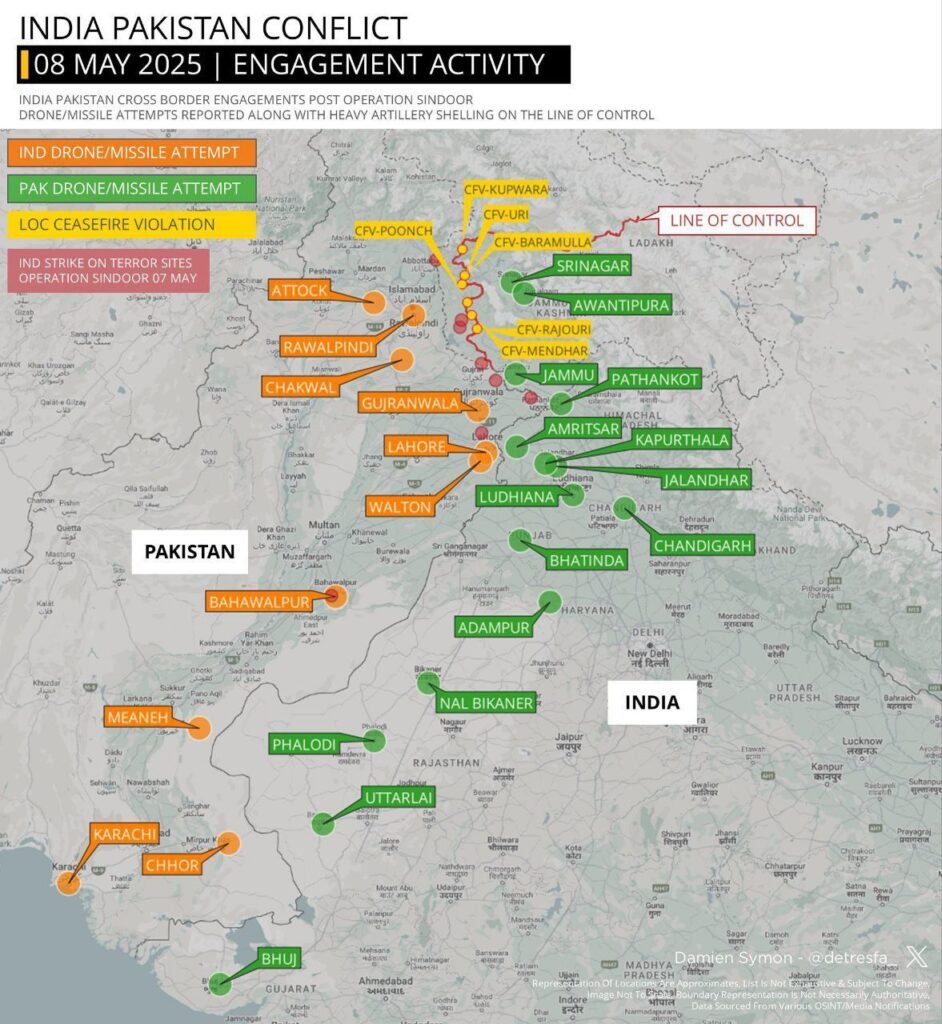
In the weeks following the Pahalgam terrorist attack, Indian political and military leadership, led by Prime Minister Narendra Modi, formulated a strategic response that represented a decisive departure from decades of military restraint. The resulting operation, codenamed Operation Sindoor, commenced on the night of May 7–8, 2025.
The Military Kinetic Phase
The Indian government characterized the operation as “focused, measured, and non-escalatory,” terminology intended to frame targets as solely terrorist training camps rather than legitimate Pakistani military installations or civilian infrastructure. However, the operation’s actual scope demonstrated significantly greater ambition.
Target Selection and Assets:
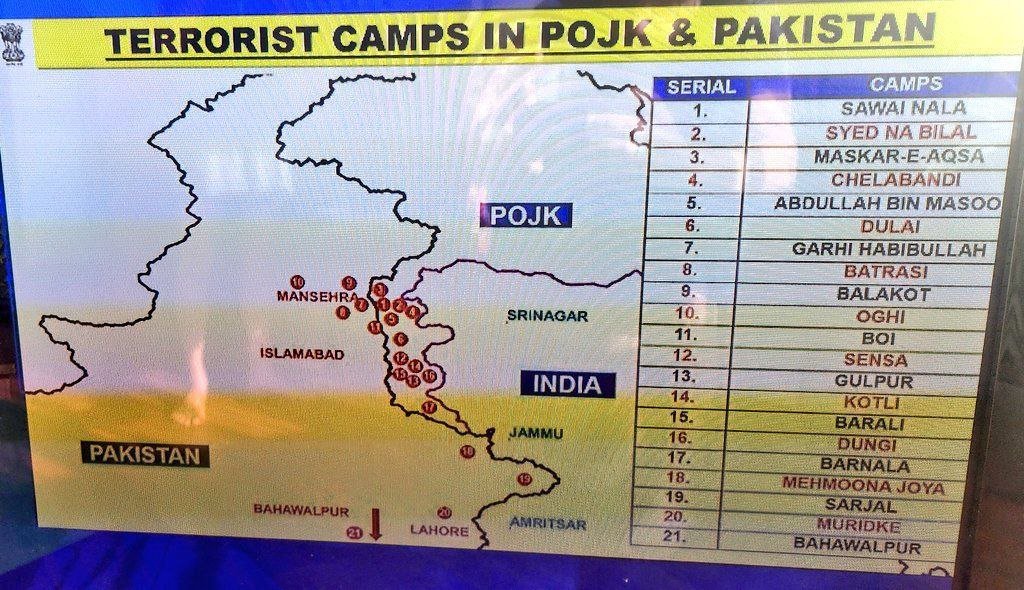
- terror training camps across the Line of Control in Pakistan-Occupied Kashmir and Pakistani territory
- Camps affiliated with Lashkar-e-Taiba (LeT), Jaish-e-Mohammed (JeM), and Hizbul Mujahideen
- Largest air operation in the region since 1971
- Peak engagement: Minimum 125 fighter aircraft from both India and Pakistan simultaneously deployed
Tactical Innovation:
Operation Sindoor introduced the air-launched BrahMos missile as a key operational tool. When integrated with Su-30 MKI air superiority fighters, these supersonic cruise missiles enabled Indian pilots to strike distant targets while minimizing exposure to Pakistan’s heavily defended airspace. This technological advantage ensured higher target accuracy while reducing Indian aircraft losses.
Operational Results:
- Confirmed terrorist casualties: Over 200 killed
- Terrorist infrastructure destroyed: 9 major training camps
- Assessment: Significant disruption to cross-border terror networks
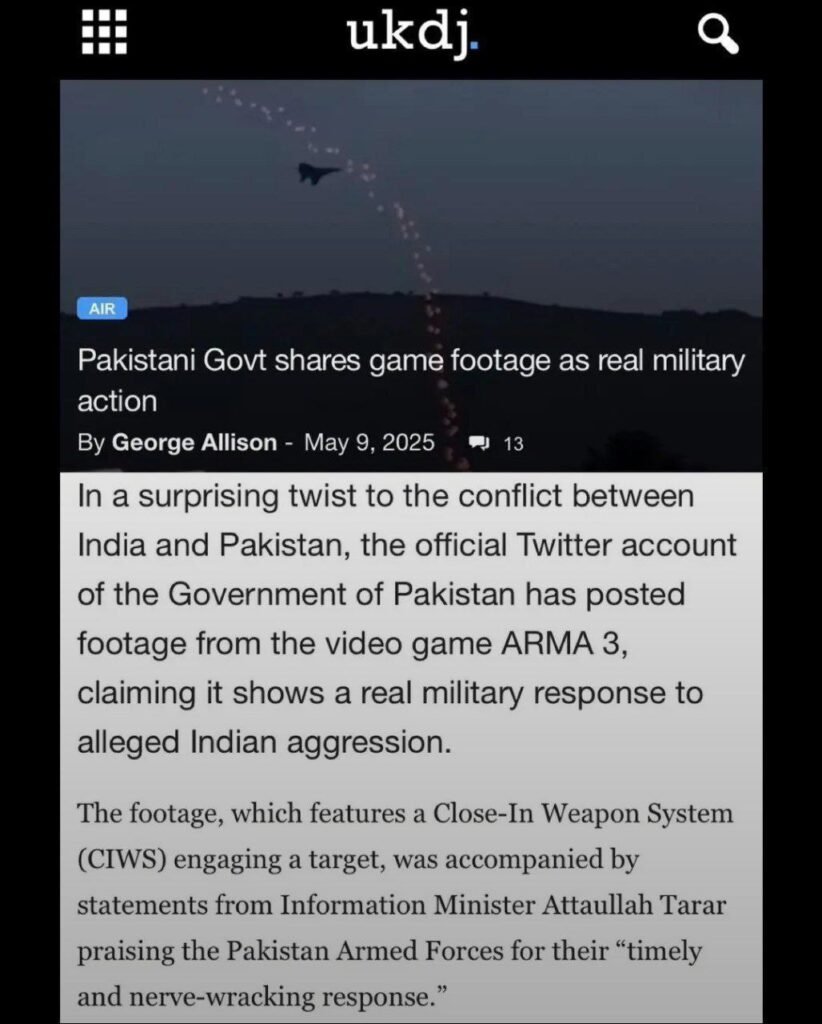
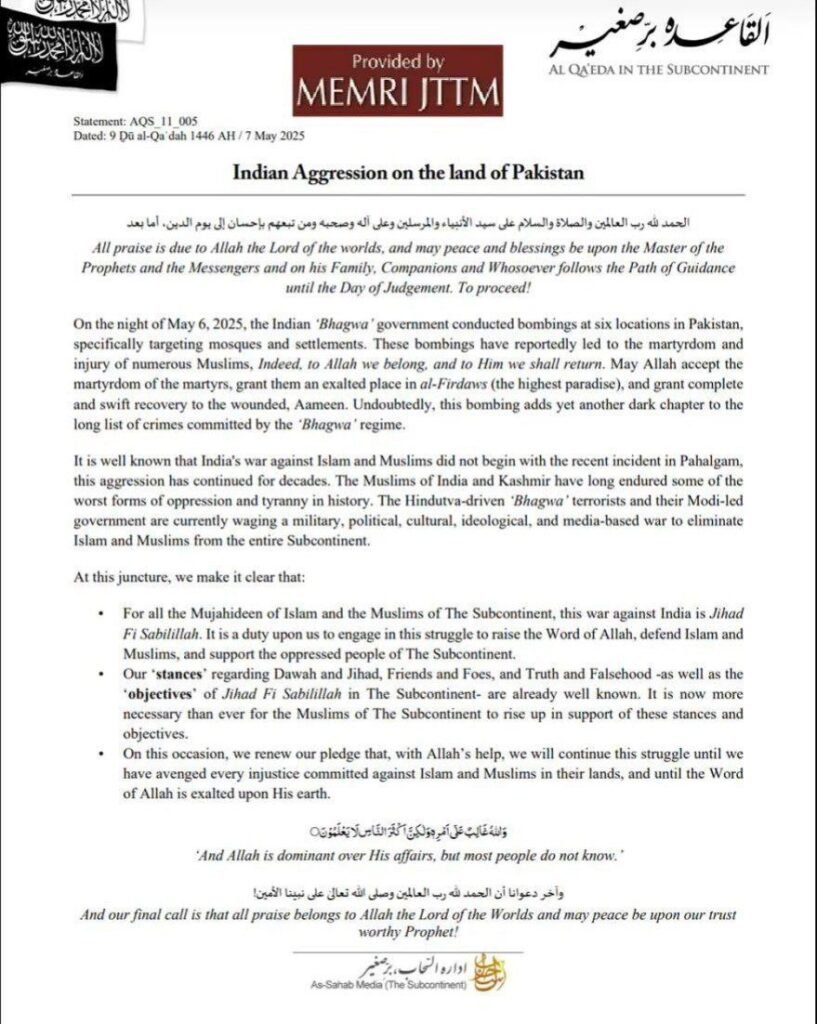
The Pakistani Counter-Attack (May 8–10, 2025)
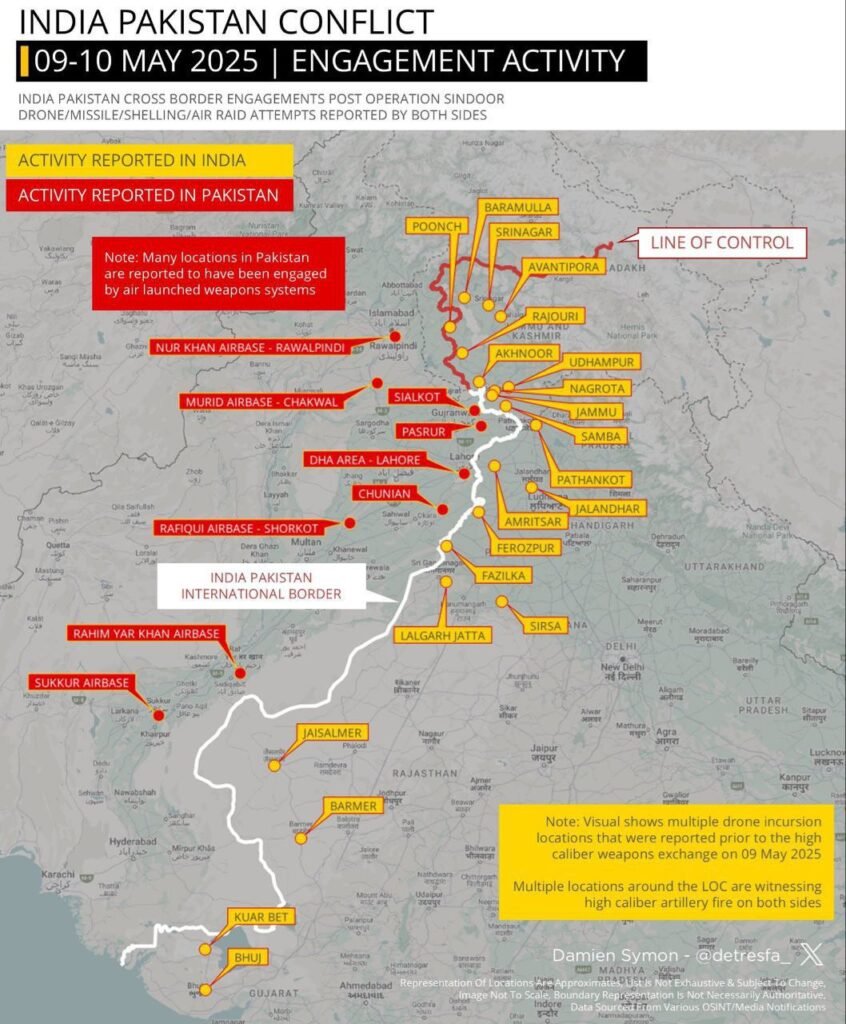
The Pakistani response was immediate and substantially more aggressive than India’s characterization of their own strikes suggested. Pakistan Army Chief of Staff General Asim Munir authorized a comprehensive counter-attack.
Aerial Combat Operations:
- Beyond-visual-range (BVR) dogfight lasting approximately 52 minutes
- Pakistani claims which are false: Multiple Indian aircraft destroyed, including Rafale and Su-30 MKI fighters
- Indian position: Contested Pakistani casualty claims
- Assessment: Highest-intensity aerial engagement in South Asian history
Escalation to Mainland Indian Territory:
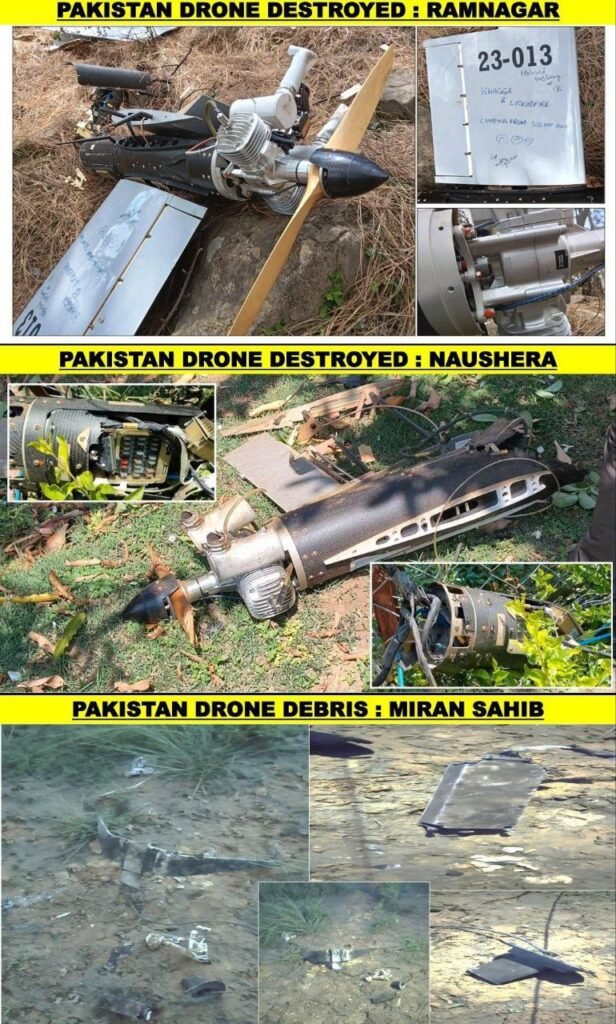
Pakistan expanded operations beyond border areas, conducting coordinated drone and missile attacks against over a dozen Indian military installations in:
- Srinagar
- Jammu
- Pathankot
- Amritsar
- Ludhiana
- Bathinda
- Also targeted Delhi
- Bhuj
This represented a critical escalation direct strikes against military targets on undisputed Indian territory.
Civilian Targeting and Collateral Damage:
Pakistani forces conducted artillery barrages against civilian and religious sites, including:
- Shambhu Temple in Jammu
- Gurdwara in Poonch
- Confirmed casualties: 16 Indian civilians, including women and children
Indian forces responded with counter-artillery fire directed exclusively at military positions and installations, avoiding civilian targeting.
Cessation of Hostilities
The intensity and potential for escalation into full-scale conventional warfare necessitated immediate de-escalation. Following secret negotiations and direct communications between the Directors General of Military Operations (DGMOs), a ceasefire agreement was reached, effective 1700 hours IST on May 10, 2025.
The Non-Military Escalation: Weaponizing Water and Economic Leverage
While the military phase concluded in May 2025, India initiated a far more consequential strategic shift in non-kinetic domains, fundamentally restructuring bilateral relations.
Suspension of the Indus Waters Treaty (1960)
Strategic Significance:
In a historic decision, India announced the suspension of the Indus Waters Treaty (IWT) of 1960—widely regarded as the most successful international water-sharing agreement to survive three major interstate wars. The government justified this unprecedented action with the statement: “Blood and water cannot flow together.”
Pakistan’s Water Vulnerability:
Pakistan functions as an agrarian society with critical dependence on the Indus river system for survival:
- Water dependency: 93% of national water usage derives from Indus system
- Agricultural impact: 80% of Pakistan’s 16 million hectares of cultivable land requires Indus irrigation
- Storage crisis: Primary reservoirs (Mangla and Tarbela dams) operating at critically low levels (10% usable capacity)
Immediate Consequences:
- Crop failures projected across Punjab breadbasket region
- Urban water shortages in major population centers
- Textile industry disruption (represents 25% of Pakistan’s GDP)
- Cascading economic collapse
Developmental Implications for India:
The treaty’s suspension enables unrestricted development of hydroelectric and irrigation projects on western rivers (Jhelum, Chenab) previously constrained by IWT restrictions.
Economic Isolation Strategy
Simultaneously, India implemented total closure of the Attari-Wagah border crossing, the primary land trade corridor between nations. All bilateral commerce ceased, including:
- Export bans on essential goods
- Import restrictions on Pakistani textiles and cement
- Complete economic isolation of an already-fragile Pakistani economy
State Collapse in Pakistan: Two-Front Vulnerability
Pakistan’s external conflict compounded severe internal fractures. The post-May 2025 period witnessed a Pakistani state managing simultaneous crises: foreign military threats and internal insurgency.
The Tehreek-e-Taliban Pakistan (TTP) Escalation
Emboldened by state weakness and chaos, the Tehreek-e-Taliban Pakistan (TTP) intensified operational tempo. By October 2025, the western border transformed into open conflict. Pakistan responded with an airstrike in Kabul on October 9, 2025, targeting TTP leader Noor Wali Mehsud.
Afghan Taliban Response:
The Afghan Taliban’s retaliatory strikes against Pakistani military positions along the Durand Line resulted in heavy casualties:
- Pakistani military assessment: 200 Afghan/TTP casualties
- Afghan official claims: 58 Pakistani soldiers killed
- Assessment: Escalating cross-border conflict undermining Pakistan’s stability
The Imran Khan Political Crisis
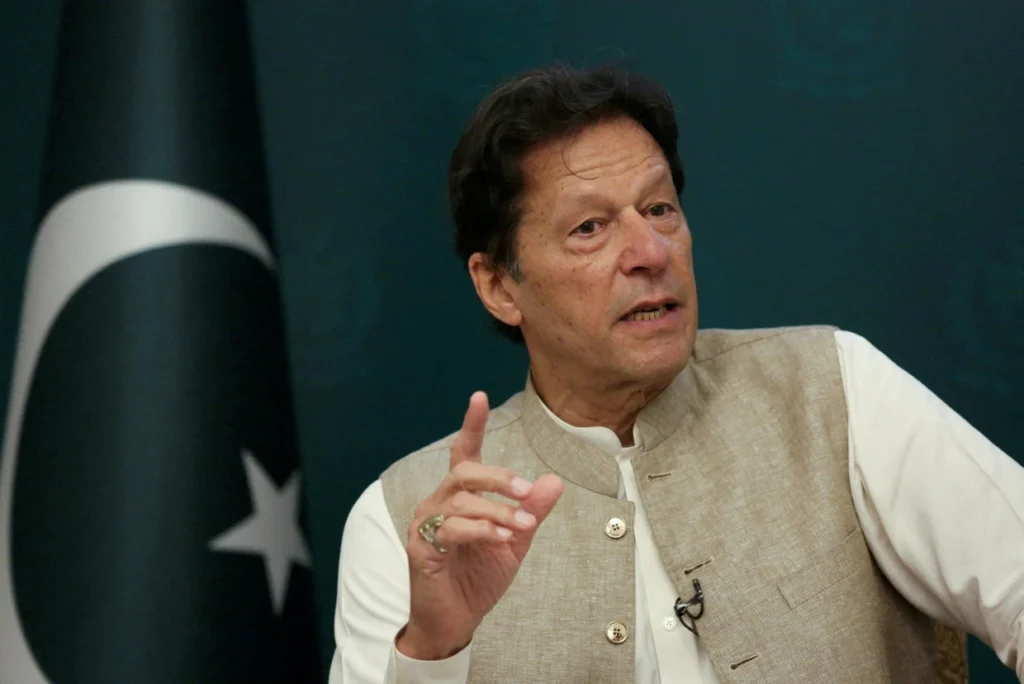
Former Prime Minister Imran Khan, imprisoned since 2023, received an additional 17-year sentence in December 2025. From Adiala Jail, Khan issued directives for a “street movement” and “final call” for nationwide protests. The Pakistani state responded with intense crackdowns, deploying elite commandos in Rawalpindi and instituting restrictions on prisoner communications.
Phase II: The Mountain Region Revolution – Nepal’s Generation Z Uprising (September 2025)
The Digital-Native Political Transformation in Nepal
While South Asia experienced military escalation, a digitally-coordinated, leaderless revolution successfully removed a government within seven days. The September 2025 Nepal uprising exemplifies how Generation Z leverages digital platforms to disrupt traditional political power structures.
The Social Catalyst: #NepoBaby and Youth Anger
By mid-2025, Nepal approached critical political instability. Structural economic factors created revolutionary conditions:
Economic Distress Indicators:
- Youth unemployment: Exceeded 20%
- Economic stagnation: Minimal growth, limited opportunity
- Remittance dependency: One-third of GDP derived from expatriate transfers
Social Catalyst:
The visible display of luxury and privilege by political elites’ children on social media platforms triggered explosive youth anger. The viral hashtag #NepoBaby crystallized resentment toward the ruling class’s nepotism and disconnection from ordinary citizens’ struggles.
The Triggering Event: Digital Blackout (September 4, 2025)
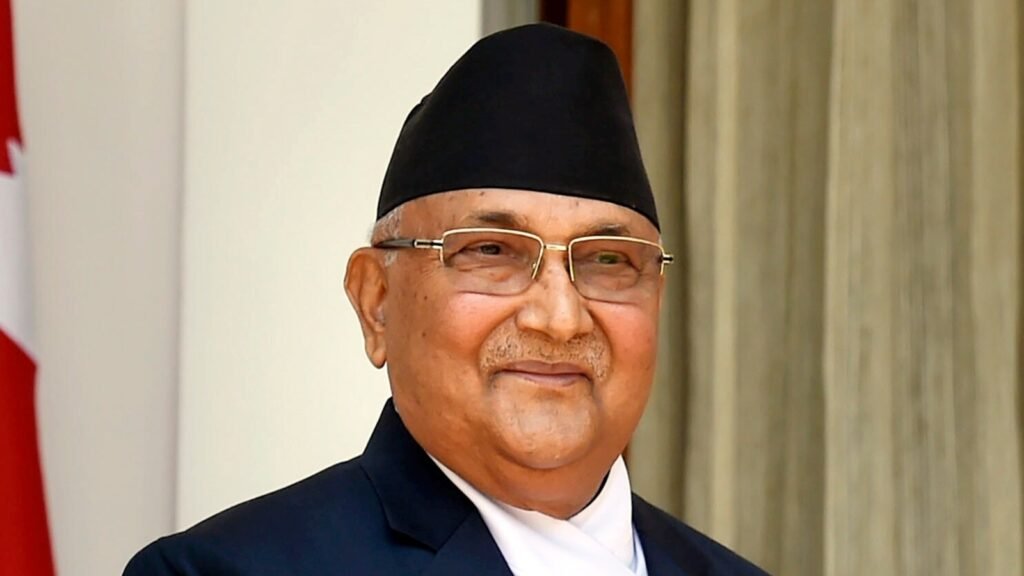
On September 4, 2025, Prime Minister K.P. Sharma Oli’s government banned 26 social media platforms, including:
- YouTube
- X (formerly Twitter)
Official justification: Regulatory compliance concerns
Public interpretation: Obvious authoritarian attempt to suppress dissent and control information flow
The Uprising Timeline (September 8–13, 2025)
September 8: Day of Blood
Protest Origin:
Demonstrations commenced at Maitighar Mandala in Kathmandu. In stark contrast to traditional political movements, protesters rejected party banners and marched under a unified banner: “Youth Against Corruption,” accompanied by anime flags from “One Piece.”
Timeline of Escalation:
| Time | Event | Casualties |
|---|---|---|
| 11:38 AM | Protesters breach Federal Parliament security | Increasing |
| 12:30 PM | Security forces deploy live ammunition | 19 killed |
| Afternoon | Protesters burn government buildings | Escalating |
Force Response Assessment:
Security personnel, inadequately trained in non-lethal crowd control and numerically insufficient, deployed lethal force. Post-incident medical examinations revealed gunshot wounds concentrated in head and chest areas, violating international crowd control protocols.
First-Day Casualties: 19 confirmed deaths
Escalation Dynamics:
Excessive force radicalized additional protesters. Demonstrators began targeting symbolic state institutions:
- Department of Transport Management (burned)
- Residences of political leaders (destroyed)
September 9: Governmental Collapse
Violence intensified exponentially. Organized mobs targeted:
- PM Oli’s private residence in Balkot (burned)
- Opposition leader Sher Bahadur Deuba’s home (destroyed)
- Parliament building (set on fire)
- Supreme Court (set on fire)
Government Resignation:
Faced with complete state collapse and capital destruction, Prime Minister K.P. Sharma Oli resigned on the afternoon of September 9, 2025. The social media ban was immediately rescinded.
Collateral Security Failure:
In the chaos surrounding governmental collapse, Central Jail Sundhara experienced a mass jailbreak, with over 3,000 inmates escaping.
The ‘Discord’ Government Model: Digital Democracy Innovation
The post-revolution governance model represented an unprecedented experiment in digital-native political organization, explicitly rejecting traditional parties.
Virtual Democratic Process:
A Discord server named “Youth Against Corruption” with 145,000+ members functioned as the de facto constituent assembly. Leadership selection occurred through:
- Open digital deliberation
- Transparent voting mechanisms
- Consensus-building among distributed members
Interim Leadership Selection:
On September 12, 2025, Sushila Karki, former Chief Justice renowned for judicial integrity, was selected as Interim Prime Minister. Her mandate: oversee governance and organize democratic elections scheduled for 2026.
Historic Significance:
This represented the first instance in modern political history where a digitally-organized, decentralized community directly selected a national executive leader, demonstrating the transformative potential of Generation Z’s organizational capabilities. However the people of Nepal especially the Gen ‘Z’ want a leader like Modi in Nepal for a economic development of their country which again shows the similar thinking of Indian and Nepali people.
Phase III: The Delta in Transition – Bangladesh’s Political Realignment (2024–2025)
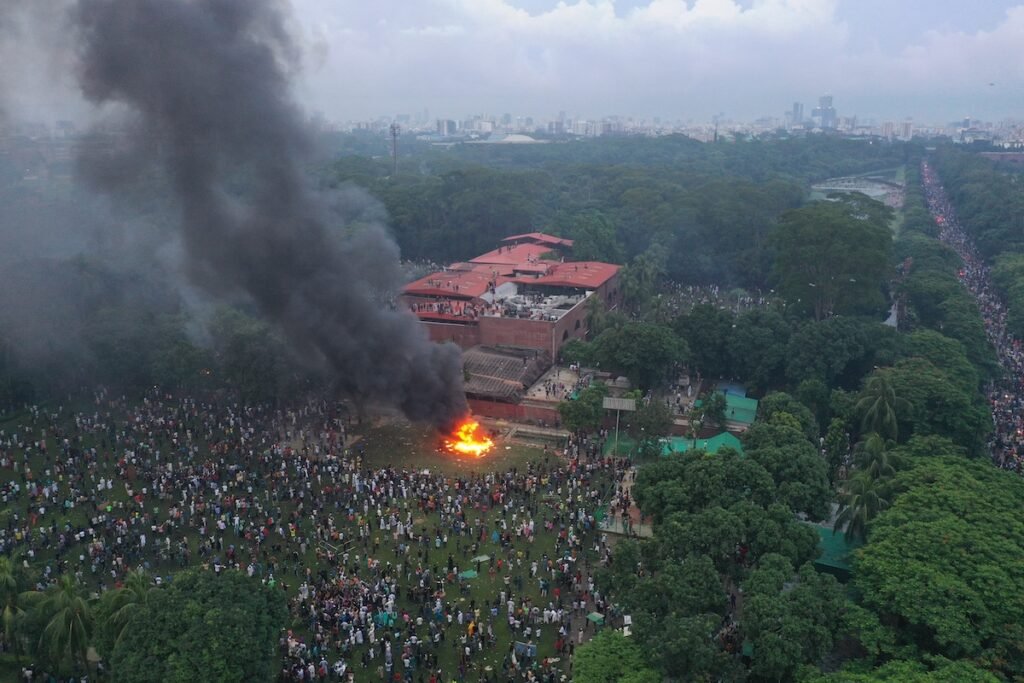
From Hasina’s fall to Renewed Instability
Context: The Fall of Sheikh Hasina (August 2024)
The foundation for 2025 unrest was established in August 2024 when student-led movements forced Prime Minister Sheikh Hasina’s departure to India. This ended her 15-year tenure marked by the devastating July Massacre, during which state security forces killed over 1,500 demonstrators.

The Interim Government Struggles (2025)
A transitional government under Nobel Laureate Dr. Muhammad Yunus assumed power with a mandate to stabilize institutions and prepare for democratic elections. However, by late 2025, the interim administration confronted insurmountable challenges:
Economic Austerity Programs:
To secure a $3 billion IMF bailout, the government implemented severe fiscal restrictions:
- Agricultural subsidies eliminated
- Working-class support programs cut
- Widespread food insecurity affecting millions
- Malnutrition crisis among vulnerable populations
Controversial Political Decisions:
The interim government implemented a divisive ban on the Awami League (AL), the independence-era party, from participating in scheduled elections. This decision:
- Generated criticism from US lawmakers
- Raised concerns about democratic legitimacy
- Questioned the transition process’s impartiality
The Return of the Exile: Tarique Rahman’s December Arrival (December 25, 2025)
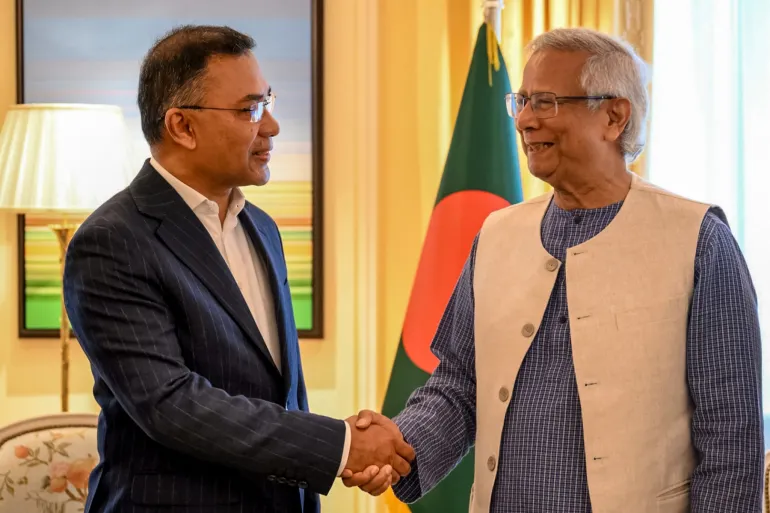
The political landscape fundamentally shifted on Christmas Day, 2025, when Tarique Rahman, acting chairman of the Bangladesh Nationalist Party (BNP) and son of former PM Khaleda Zia, returned to Dhaka after 17 years of London exile.
Political Implications:
Domestic Impact:
- Mass demonstrations by BNP supporters upon arrival
- Rahman positioned as likely Prime Minister candidate for February 2026 elections
- Consolidation of BNP political momentum
Regional Strategic Concerns (India’s Perspective):
New Delhi views Rahman’s ascendancy with alarm:
- BNP historical positioning: Anti-India foreign policy orientation
- Islamist alignment: Past collaboration with Islamist organizations
- Strategic vulnerability: Threatens India’s eastern security posture
- Succession risk: Potentially replacing the pro-India Hasina government with a hostile regime
Phase IV: The Overlooked War – Myanmar’s Endless Conflict (2025)
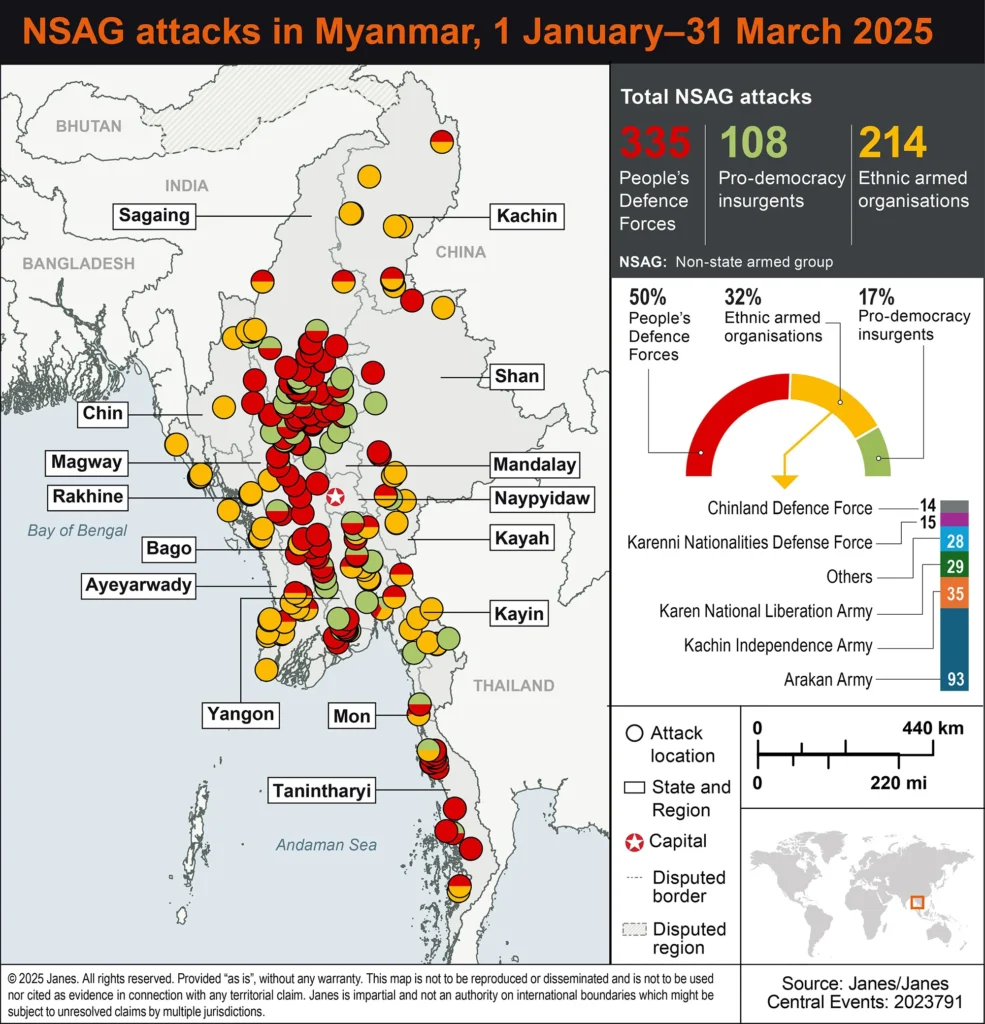
The Military Government’s Failing Control and Electoral Facade
The State of Ongoing Civil War
By late 2025, Myanmar’s military government (State Administration Council, or SAC) had effectively lost territorial control over peripheral regions. Resistance forces, comprising Ethnic Armed Organizations (EAOs) and the People’s Defense Forces (PDF), controlled approximately 50% of national territory.
Humanitarian Catastrophe:
- Internal displacement: Over 3.5 million people displaced from homes
- Warfare tactics: Government increasingly relies on air power due to ground force limitations
- Weapons used: Cluster munitions and unrestricted airstrikes
- Targets: Schools, hospitals, civilian infrastructure
- Strategy: Terror-based suppression of civilian populations
The Election (December 2025)
The military government announced a multi-phase general election commencing December 28, 2025, ostensibly providing democratic legitimacy to its rule.
Systematic Exclusion Mechanisms:
The Union Election Commission declared voting would be suspended in:
- 56 townships (administrative jurisdictions)
- Thousands of village sections
- Official justification: “Instability and security concerns”
Electoral Impact:
This systematic exclusion prevented populations in resistance-controlled areas from voting, ensuring predetermined outcomes favoring the military-aligned Union Solidarity and Development Party (USDP).
International Assessment:
- Western governments: Condemned election as fraudulent
- United Nations: Questioned legitimacy and fairness
- National League for Democracy (NLD): Deregistered; political participation impossible
- Aung San Suu Kyi: Remains imprisoned; unable to participate
Chinese Strategic Interest:
China has it’s puppet as current military leader thus, notably endorsed the election despite international criticism, viewing the outcome as essential for protecting China-Myanmar Economic Corridor (CMEC) infrastructure investments.
Phase V: The Southeast Asian Border War – Thailand-Cambodia Conflict (July & December 2025)
The Collapse of Regional Stability and Return to Conventional Warfare
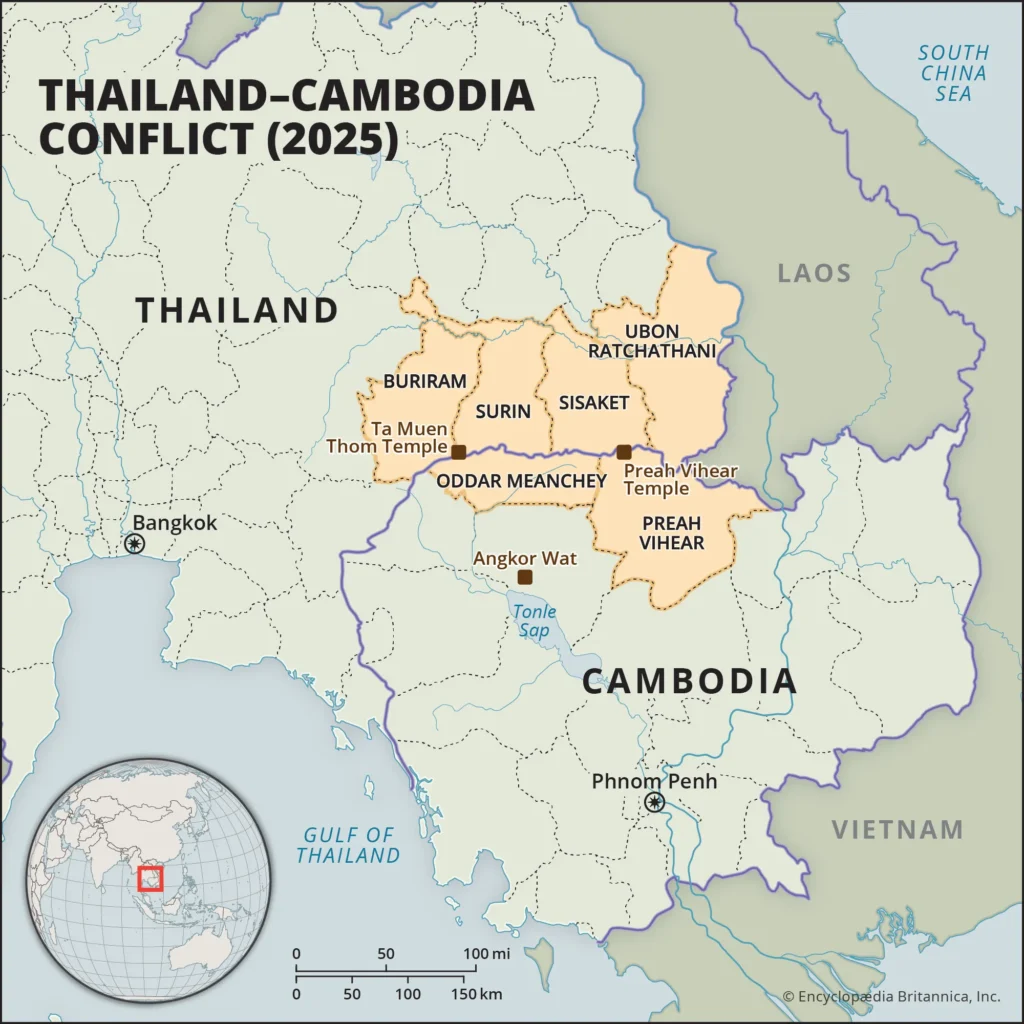
The “Five Days of Fire” (July 2025)
Contrary to ASEAN unity mythology, regular interstate warfare resumed between Thailand and Cambodia in July 2025. Internal Bangkok political instability triggered the conflict rather than traditional border disputes.
Conflict Origins:
The removal of Thai Prime Minister Paetongtarn Shinawatra unleashed nationalist sentiment, which manifested in renewed competition over the Preah Vihear temple border area—a historically contested site.
Operational Impact:
| Metric | Impact |
|---|---|
| Heavy Artillery Usage | Extensive |
| Civilian Displacement | 140,000 |
| Cross-Border Trade Disruption | $5 billion |
| Duration | Five days |
De-escalation:
Intensive US pressure, threatening trade preference removal, facilitated a temporary ceasefire agreement.
The December Escalation: Advanced Weaponry and Landmine Warfare
The July ceasefire collapsed in December 2025, initiating a significantly more dangerous conflict phase characterized by advanced weaponry deployment.
Escalation Characteristics:
Thai Air Operations:
- Fighter deployment: F-16 fighter jets conducting airstrikes inside Cambodia
- Tactical innovation: First use of advanced air power in decades of border skirmishes
- Target selection: Military and strategic installations
Cambodian Counter-Operations:
- Rocket systems: Truck-mounted BM-21 Grad rocket launchers
- Barrage tactics: Coordinated volleys of 40+ rockets fired into Thai territory
- Saturation strategy: Area weapons designed for maximum coverage
Landmine Warfare:
Thailand reported newly-laid landmines placed by Cambodia in demilitarized buffer zones, constituting violations of international humanitarian law. Cambodia disputed placement recency, attributing mines to older conflicts. ASEAN observers confirmed recent installation, establishing clear violations.
Humanitarian Consequences:
| Category | Figures |
|---|---|
| Displaced Civilians (Both Sides) | 500,000+ |
| Border Regions Affected | Entire Mekong corridor |
| Aid Crisis | Severe humanitarian emergency |
Phase VI: The Southern Crisis – Sri Lanka’s Compounding Emergencies
The Convergence of Economic Failure and Natural Disaster
Economic Stagnation and Political Opposition
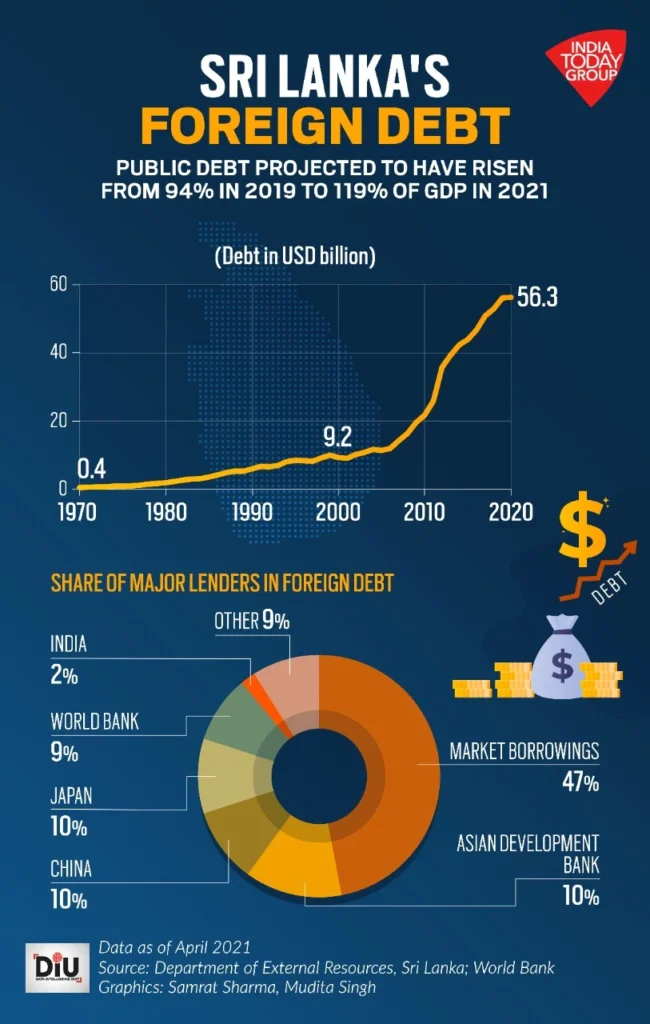
Sri Lanka, attempting economic recovery following its 2022 bankruptcy crisis, faced simultaneous economic and political emergencies in late 2025 under President Anura Kumara Dissanayake’s administration.
Persistent Economic Difficulties:
Chinese Debt Trap was a very fundamental reason for collapse of economy of SriLanka
Despite IMF program implementation, the cost of living remained prohibitively high for ordinary citizens, generating sustained opposition.
November 2025 Demonstrations:
On November 21, 2025, thousands gathered in Colombo demanding governmental accountability. The Rajapaksa family’s return to political prominence, with Namal Rajapaksa leading crowds alleging government failures to implement promised tax reductions, mobilized opposition momentum.
Natural Disaster Multiplier: Cyclone Ditwah
As political unrest intensified, nature compounded the crisis. Cyclone Ditwah struck the island in late November and December 2025 with catastrophic consequences.
Disaster Statistics:
| Damage Category | Scale |
|---|---|
| Deaths | 643+ confirmed |
| Landslides Triggered | 1,200+ |
| Land Coverage (Flooding) | 20% of national territory |
| Structural Damage | Extensive |
Political Implications:
The government declared emergency conditions, citing disaster response necessities. Critics questioned whether emergency declarations served dual purposes: legitimate disaster management coupled with suppression of political opposition movements.
Phase VII: Strategic Synthesis – The Ring of Fire and India’s Strategic Encirclement
The Obsolescence of Historical Boundaries and Institutional Frameworks
The 2025 crises demonstrate the fundamental fragility of South Asia’s post-colonial institutional architecture. Colonial-era borders—the Durand Line (Pakistan-Afghanistan), the Radcliffe Line (India-Pakistan), the Preah Vihear demarcation (Thailand-Cambodia)—have become violent flashpoints. Simultaneously, nation-states face internal collapse under pressures from:
Economic stress: Chronic inflation, unemployment, reduced state capacity
Demographic pressure: Generation Z demands for economic opportunity and political voice
Digital disruption: Technology enabling rapid political mobilization and destabilization
India’s Strategic Encirclement and Vulnerability
India confronts an unprecedented convergence of neighborhood instability along multiple strategic axes:
Western Front (Pakistan):
- Complete diplomatic and economic rupture
- Indus Waters Treaty suspension signals existential economic warfare
- Uncontrolled terrorism originating from Pakistani territory
- Pakistani state collapse creating ungoverned spaces
Eastern Front (Bangladesh, Myanmar):
- Hostile BNP government likely in Bangladesh (post-February 2026)
- Myanmar civil war creating refugee flows and instability
- Regional fragmentation enabling anti-India insurgent regrouping
- Loss of strategically-aligned Hasina government
Northern Front (Nepal):
- Unpredictable digital democracy replacing stable authoritarian governance
- Youth-driven instability and weak institutional capacity
- Potential penetration by anti-India forces
Cumulative Strategic Impact:
India faces potential encirclement by hostile or unstable regimes, removing strategic depth and increasing vulnerability to coordinated external pressure.
Global Geopolitical Implications
Chinese Strategic Interests and Limitations
China pursues risk mitigation of its major regional investments:
- China-Myanmar Economic Corridor (CMEC): Myanmar civil war threatens infrastructure
- China-Pakistan Economic Corridor (CPEC): Pakistan state weakness threatens investment security
- Belt and Road Initiative: Regional instability threatens project viability
Challenges to Chinese Containment:
- TTP attacks on Chinese nationals and interests in Pakistan
- Unpredictable new governments (Nepal’s digital democracy, Bangladesh’s BNP)
- Myanmar’s uncontrollable civil war
The Return of Conventional Interstate Warfare
The India-Pakistan air battles and Thai-Cambodia artillery exchanges signal the termination of Asia’s “Long Peace.” States increasingly deploy conventional military force to resolve disputes, reflecting assessments that the international community—preoccupied with other conflicts—lacks capacity for effective intervention.
The Root Cause: The Structural Economic Shock of 2020–2022
The timing of regional crises traces to consequences of the 2020–2022 global economic shocks, which fundamentally undermined state capacity and fiscal stability across Pakistan, Sri Lanka, and Bangladesh.
Causal Chain:
- Economic contraction: Severe reduction in government revenue and capacity
- Youth impact: Generation Z bore disproportionate costs (unemployment, reduced opportunity)
- Digital mobilization: Technology enabled unprecedented organizational capacity
- Institutional weakness: Existing state institutions lacked resilience to withstand digitally-coordinated challenges
- Governance vacuum: Inability to manage generational transition or provide economic alternatives
Historical Distinction:
Unlike previous generations with memories of stable governance and institutional efficacy, Generation Z possesses technical capacity for disruption without institutional memory of stable state function, creating cycles of rebellion and institutional fragility.
Conclusion: The End of Regional Stability and the Implications for Global Order
The 2025 geopolitical transformation of Southern Asia represents a permanent departure from the post-1947 status quo. The simultaneous emergence of military escalation (India-Pakistan, Thailand-Cambodia), youth-led political revolutions (Nepal), Radical Islamist revolution (Bangladesh), and ongoing insurgencies (Myanmar) signals the collapse of regional stabilizing mechanisms.
Strategic Outlook:
- India faces multi-front vulnerability
- China struggles to maintain Belt and Road viability
- Traditional international institutions demonstrate limited intervention capacity
- The “Long Peace” in Asia has definitively ended
- Future regional competition will likely be characterized by conventional military conflict rather than diplomatic restraint
The immediate period (2026–2027) will determine whether states can rebuild institutional capacity and establish new equilibria or whether the region continues descending into sustained conflict and state fragmentation.
The role of external powers particularly the United States and China in managing this transition remains uncertain, though current patterns suggest limited effective intervention capacity.