


While U.S. B-2 bombers chased headlines near Iran, Indian jets may have struck deeper, deadlier in total silence.
- A Tale of Retaliation: From Pahalgam to Precision
- Operation Sindoor: Timeline and Strike Details
- Indian Air Force Assets:
- Indian Army Assets:
- Indian Navy Assets:
- Missile and Air Defence Systems:
- Pakistan’s Response: Drones, Missiles, and Denial
- Ceasefire and Aftermath
- The Intelligence and Technology Backbone of Operation Sindoor
- Why the World Stayed Quiet: Narrative Gaps and Doctrinal Shifts
- Third-Party Reactions: The Silence Was Not Ignorance
- Strategic Contrast: B‑2 vs Sindoor – Two Different Doctrines
- 1. Strategic Snapshot: B‑2 vs Sindoor
- 3. Media Narratives & Visibility
- 4. Doctrinal Message: Visibility vs Outcome
- Three-Front Precision – Operation Sindoor’s Hidden Challenge
- Conclusion: The Doctrine of Strategic Silence
A Tale of Retaliation: From Pahalgam to Precision
While U.S. B-2 bombers chased headlines near Iran, Operation Sindoor – a calibrated Indian signal of precision and silence – suggests Indian jets may have struck deeper, deadlier, and with more strategic impact, all in total silence.
On April 22, 2025, a brutal terrorist attack shook the region of Pahalgam, Jammu & Kashmir. Pakistan-backed terrorists infiltrated a quiet village and brutally murdered 26 civilians, deliberately targeting them based on religious identity. This heinous attack aimed to inflame communal tensions and provoke India into an escalatory response.
However, India’s answer came with distinct precision and strategic clarity. On May 7, 2025, in the early hours past 1:00 AM, the Indian Armed Forces launched Operation Sindoor. This swift, coordinated, tri-service strike unfolded without fanfare yet delivered a powerful message across the border.
Operation Sindoor: Timeline and Strike Details
According to senior security sources, Operation Sindoor reportedly lasted 23 minutes on May 7, 2025. Its primary objective was clear: to neutralize confirmed terrorist infrastructure across Pakistan-Occupied Kashmir (PoK) and Punjab province. The official stance emphasized that targets were limited strictly to terror hubs; no civilian or Pakistani military assets were engaged.
Key sites reportedly struck during Operation Sindoor included:
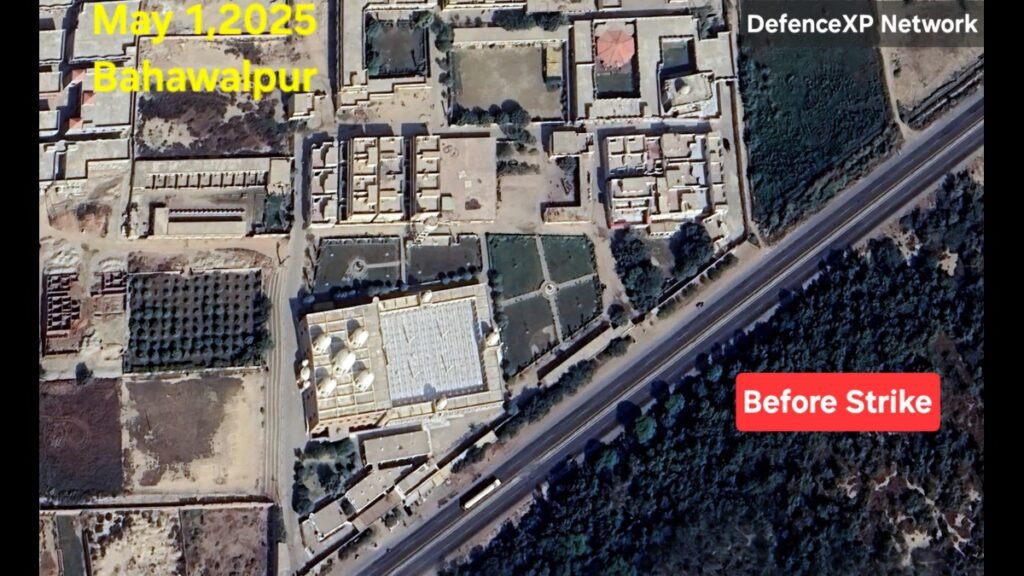
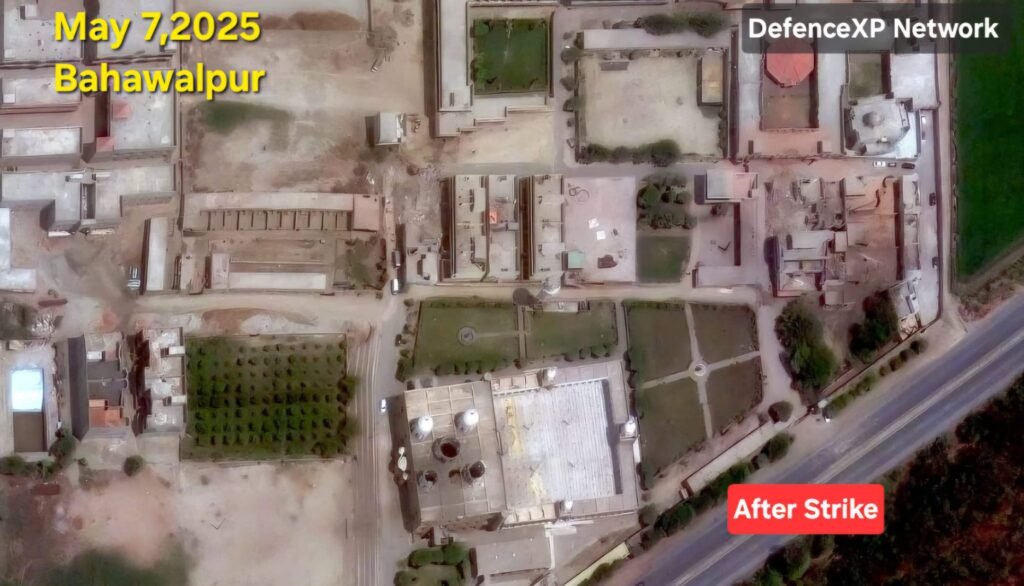
- Subhan Allah Mosque, Bahawalpur – Jaish-e-Mohammed (JeM) Headquarters
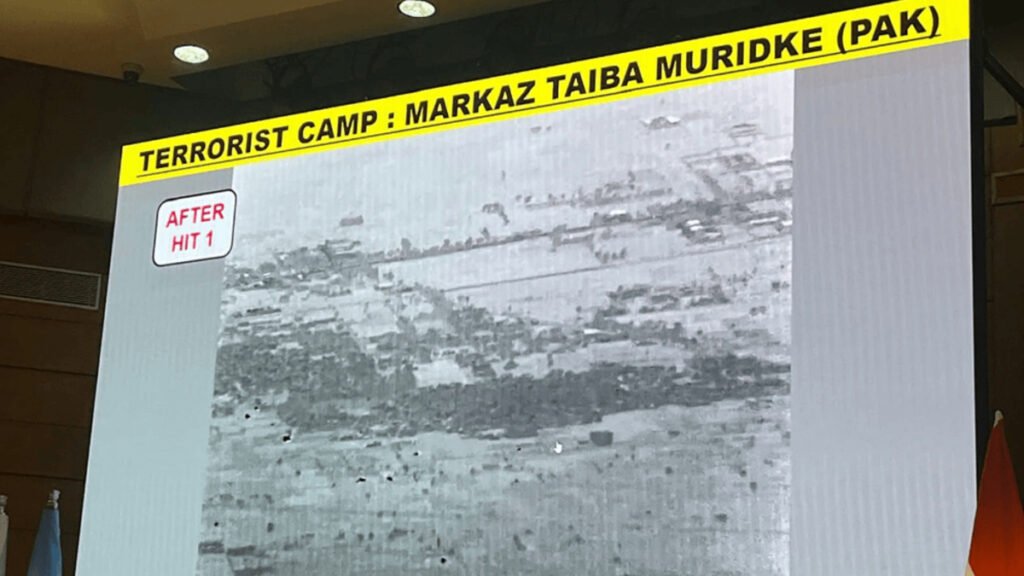
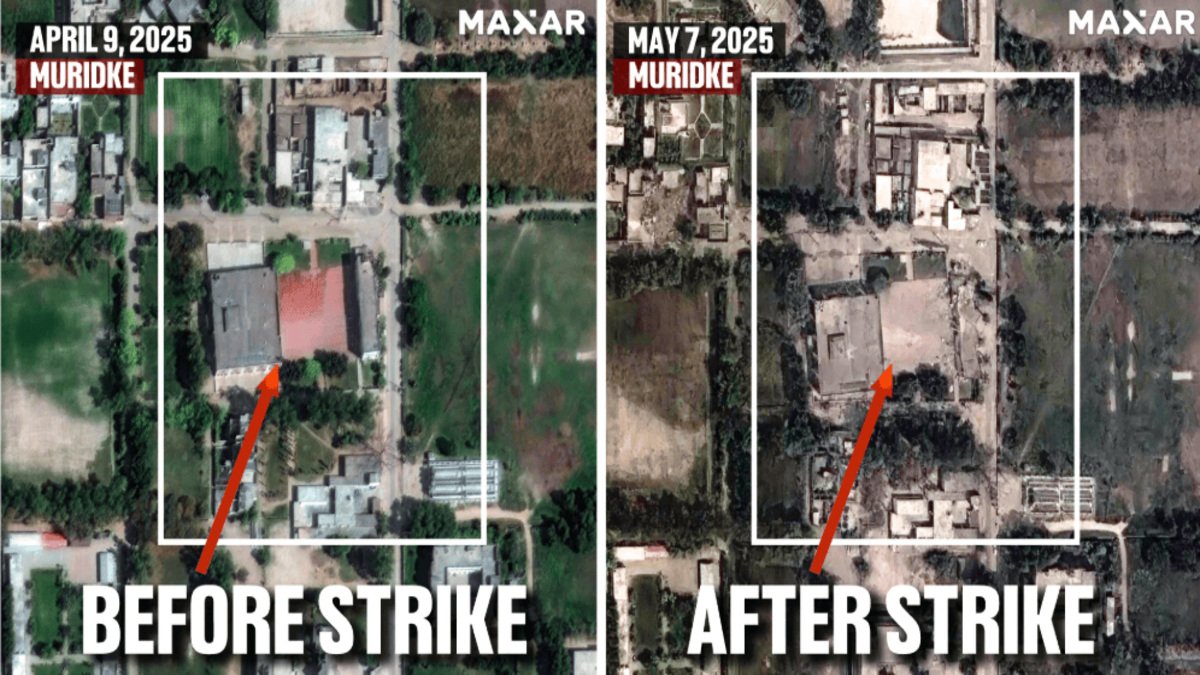
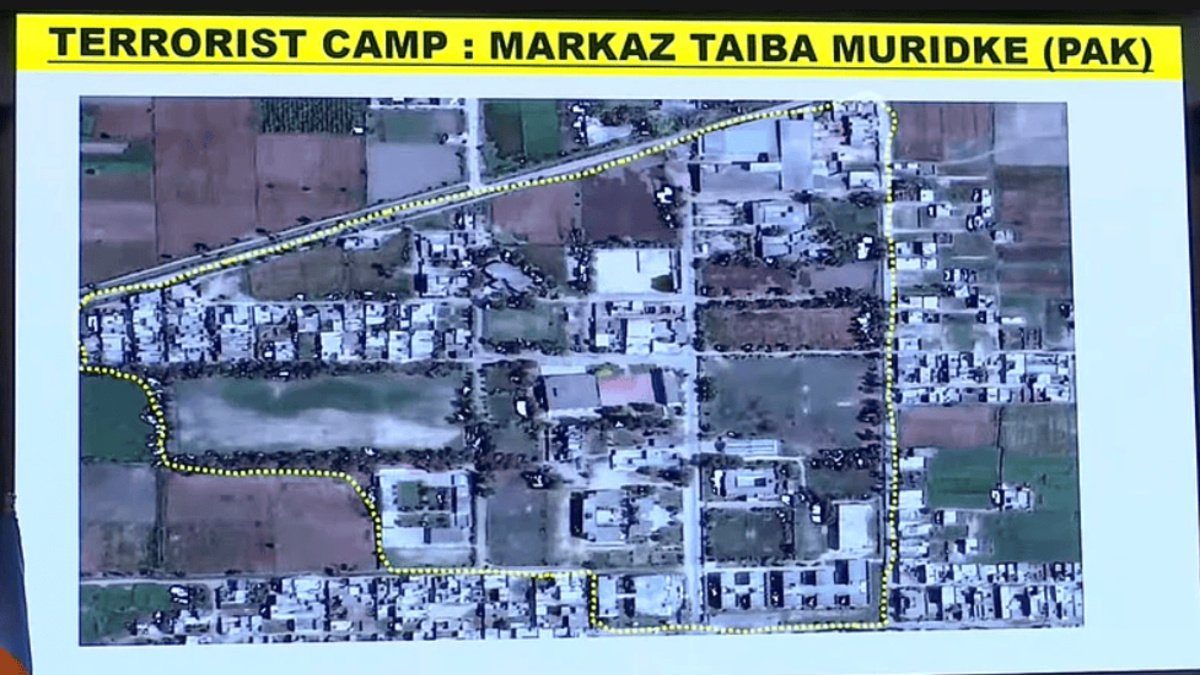
- Markaz-e-Taiba, Muridke – Lashkar-e-Taiba (LeT) Headquarters
- Abbas Mosque, Kotli District – A JeM-linked site
- Shawai Nala Camp – An activity zone
- Sayyidna Bilal Mosque, Muzaffarabad – A JeM site
- Gulpur sector, Kotli – A Hizbul Mujahideen (HuM) training camp
[ScreenShot for better understanding]
Assets and Execution: Tri-Service Coordination
Operation Sindoor showcased remarkable tri-service coordination and the deployment of advanced military assets.
Indian Air Force Assets:
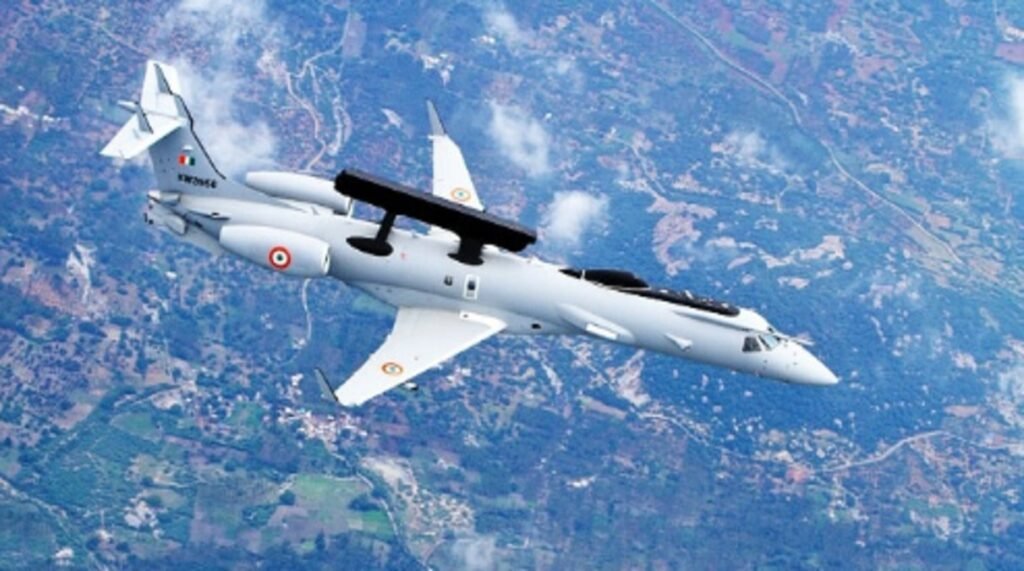
Netra AEW&C aircraft played a key role in real-time coordination and battle damage assessment, ensuring precise targeting throughout Operation Sindoor.
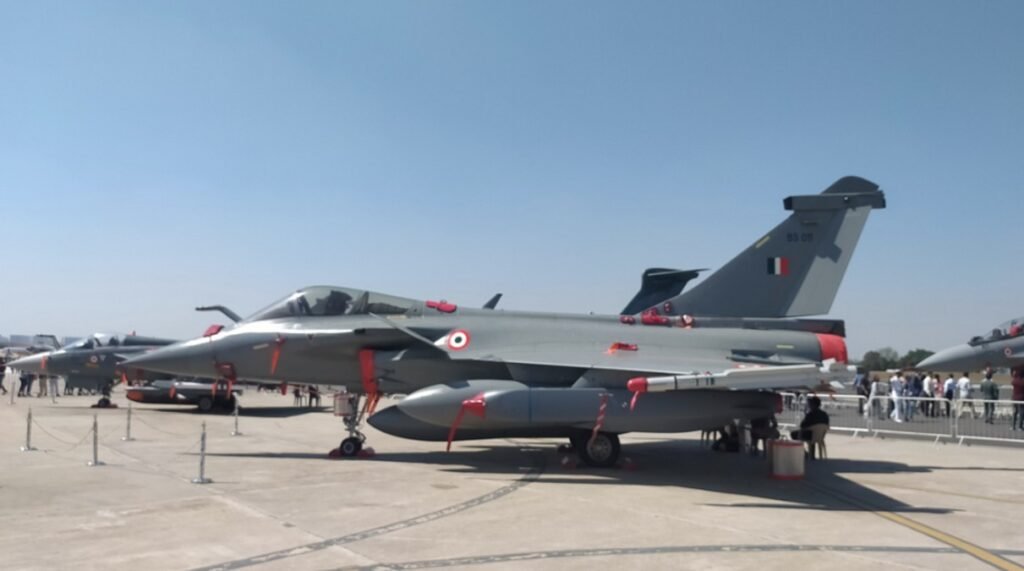
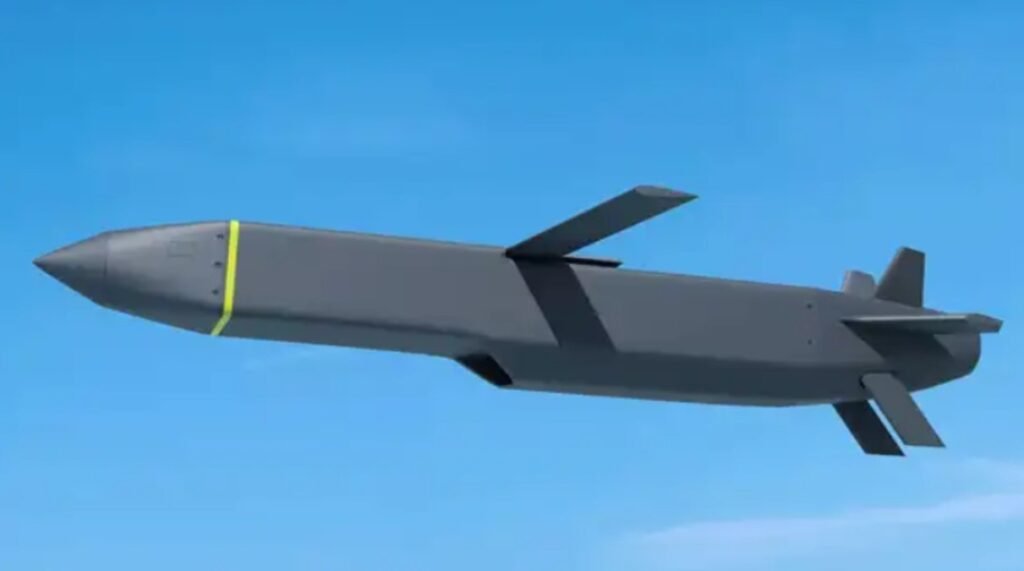
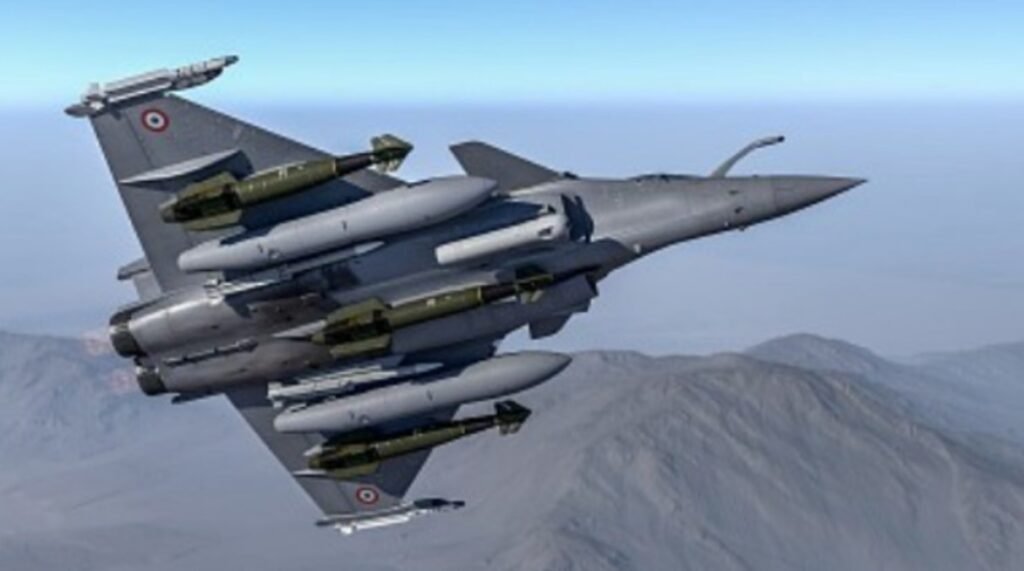
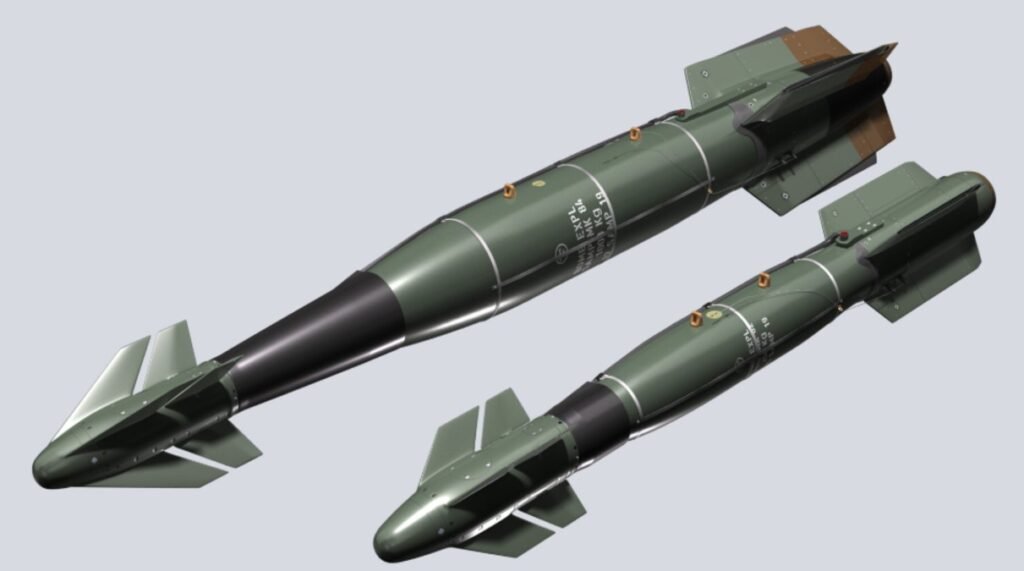
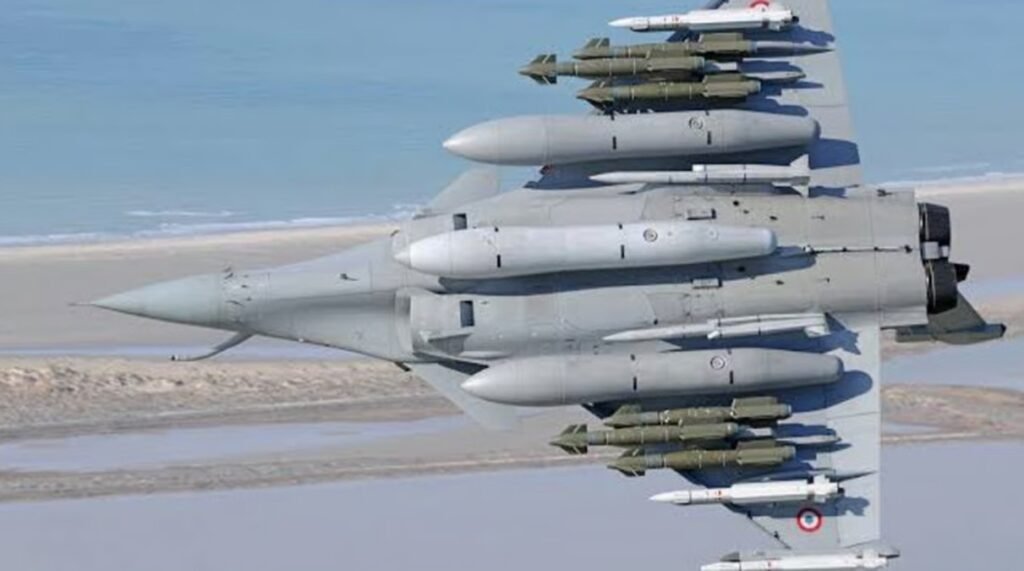
Rafale jets spearheaded precision strikes using SCALP cruise missiles and HAMMER bombs.
Su-30 MKIs and Mirage 2000s provided crucial strike support, Intelligence, Surveillance, and Reconnaissance (ISR) coverage, and electronic warfare suppression.
Indian Army Assets:
- Artillery regiments used M982 Excalibur rounds, enabling deep-range precision fire on Line of Control (LoC)-adjacent camps.
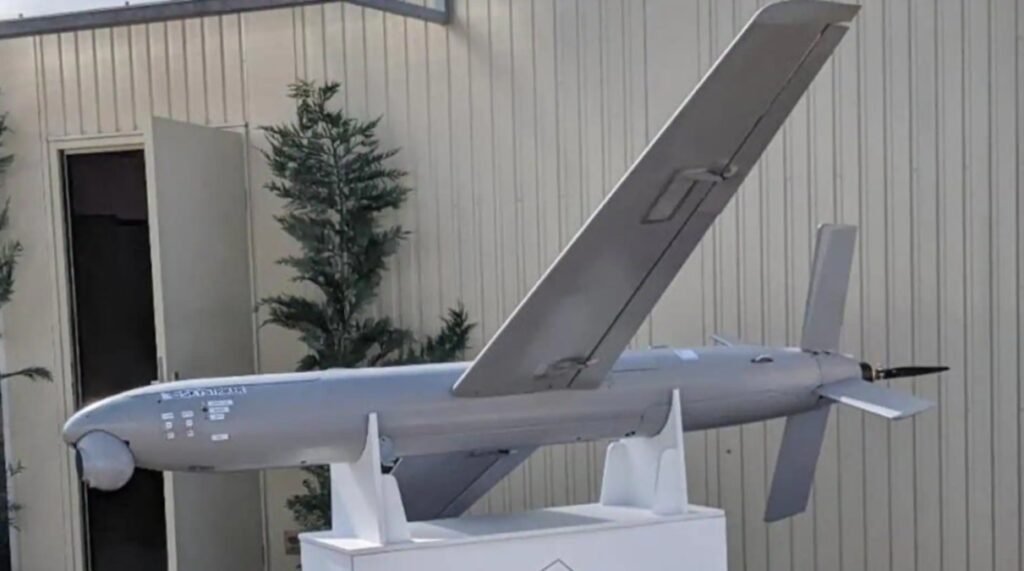
- SkyStriker loitering munitions were deployed for high-accuracy terminal engagement.
Indian Navy Assets:
- MiG-29K fighters from the Carrier Battle Group maintained maritime dominance in the Arabian Sea.
- Naval platforms ensured strategic deterrence and readiness in case of broader escalation.
Missile and Air Defence Systems:
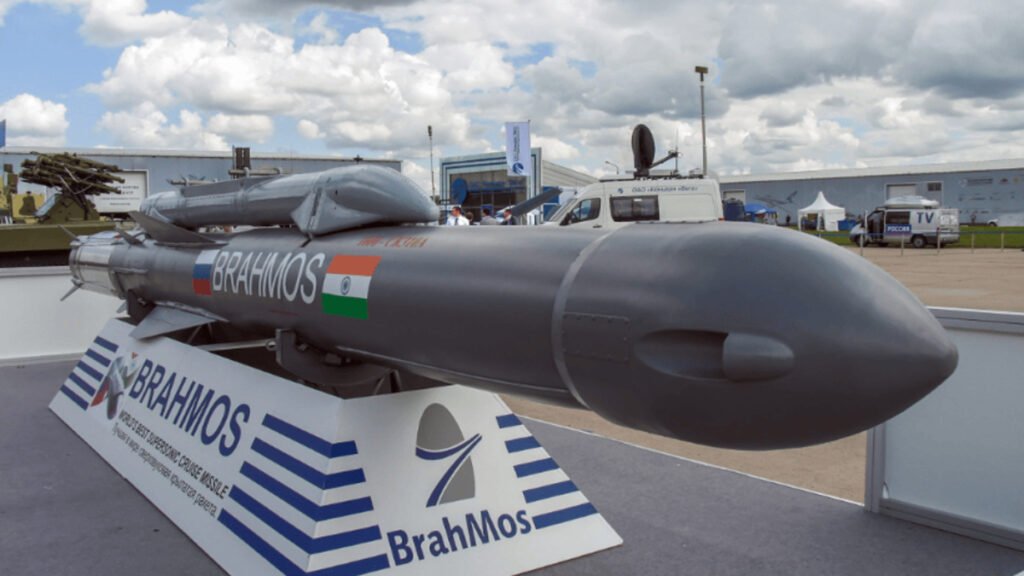
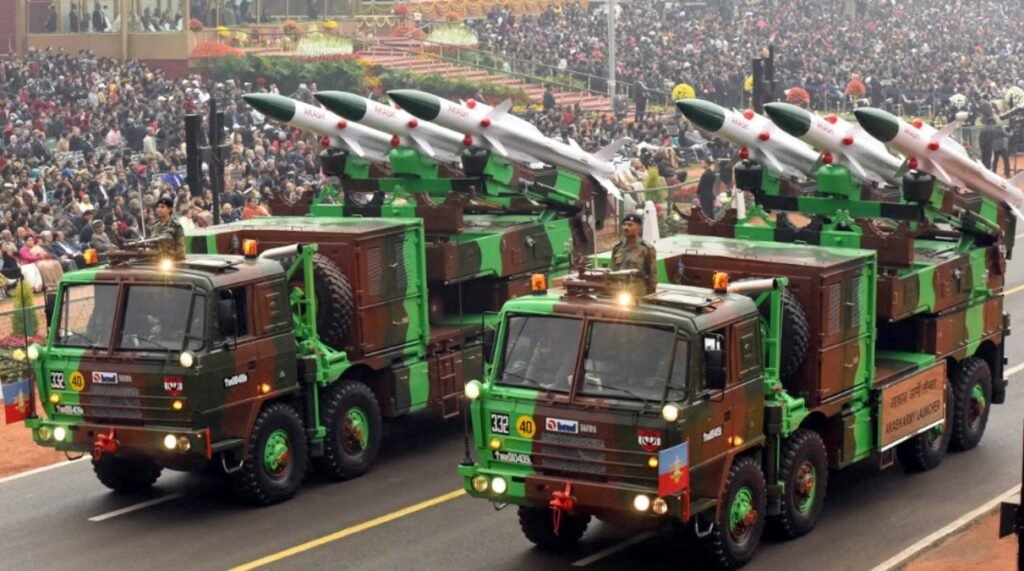
Media outlets and analysts have speculated that BRAHMOS missiles may have been used. If confirmed, this would mark their first known combat deployment, showcasing India’s evolving capabilities. Furthermore, Akash SAM batteries and SPYDER-MR systems were deployed to counter potential drone and air intrusion threats.
[SkyStriker Drone]
[ IAF Rafale with SCALP ]
[ScreenShot for better understanding IAF Rafale with HAMMER]
Pakistan’s Response: Drones, Missiles, and Denial
On May 8, following Operation Sindoor, Pakistan launched retaliatory drone and missile strikes targeting Indian military installations in Srinagar, Jammu, Pathankot, Amritsar, Ludhiana, Bathinda, and Bhuj.
However, India’s air defense network swiftly neutralized most incoming threats. While Pakistan claimed significant damage, Indian authorities quickly dismissed such assertions and maintained operational readiness. In essence, India’s counter-response remained measured, returning fire in the same domain while consciously avoiding escalation to full-spectrum warfare.
Ceasefire and Aftermath
By May 10, backchannel diplomacy eventually prevailed. Both nations agreed to stand down, thus concluding four days of high-tension military engagements. Despite the brief escalation, strategic restraint characterized the aftermath, signaling deterrence without descent into open war.
The Intelligence and Technology Backbone of Operation Sindoor
The success of Operation Sindoor was fundamentally underpinned by India’s maturing battlefield integration. This complex operation relied heavily on robust intelligence and technological support:
- RAW and IB : Played crucial roles in intelligence mapping and threat identification.
- NIA: Contributed significantly to target profiling and coordination.
- NSA Doval’s Office: Provided mission oversight and strategic clearance, ensuring governmental approval for this sensitive operation.
Moreover, advanced ISR platforms and real-time data fusion enabled precise target selection. Netra AEW&C, various electronic warfare suites, and comprehensive C3I (Command, Control, Communications, and Intelligence) frameworks ensured rapid coordination and a minimal signal footprint, enhancing the operation’s stealth.
Why the World Stayed Quiet: Narrative Gaps and Doctrinal Shifts
Unlike high-visibility missions such as the U.S. B-2 flights near Iran, Operation Sindoor received almost no international media attention. This global silence reveals several critical truths:
- India’s Strategic Restraint: Delhi chose to confirm the strike without sensationalizing it. There were no flashy declarations, no jingoistic triumph. This was a deliberate effort to control the narrative and de-escalate.
- Western Media Bias: Military actions outside NATO or U.S. domains often struggle to gain traction unless confirmed by Western agencies. Operation Sindoor’s precision lacked the spectacle, but carried far more strategic depth, which perhaps did not fit typical news cycles.
- Pakistan’s Denial Playbook: Islamabad deliberately downplayed the strike, similar to its response post-Balakot. This, combined with India’s own restraint, ultimately created a muted global narrative.
Operation Sindoor: Doctrinal Evolution from Loud Retaliation to Silent Recalibration
Operation Sindoor marks a significant new direction in Indian military thinking. It indicates a clear shift:
- From Balakot-style declaration → to grey-zone precision
- From escalation posturing → to controlled, covert messaging.
- From mass optics → to tactical reality with limited signature.
Strategists have dubbed this the “Cold Signal Doctrine,” aiming to shape adversary perceptions via minimal emission, minimal attribution, and maximal disruption. The suspected use of CAP-W (Command Airstrike Protocol – West) involving highly advanced, AI-assisted, EM-silent, <30-minute coordinated strikes further signals the next stage in India’s deterrence architecture.
Third-Party Reactions: The Silence Was Not Ignorance
Despite the lack of public pronouncements, several international actors took note of Operation Sindoor:
- Pakistan: Some regional intelligence observers suggested signs of heightened activity near Pakistan’s nuclear sites, including possible lockdown drills and limited signal traffic – though no official acknowledgment was made. Furthermore, internal reports suggested SIGINT blackouts and equipment relocation post-strike, signaling concern over the depth and proximity of Indian precision.
- Turkey: According to multiple trusted regional security sources and defense analysts, Turkey is believed to have indirectly supported Pakistan during the post-Sindoor escalation phase. Reports suggest emergency drone transfers and deployment of experienced drone warfare operators may have occurred in support. Though not officially acknowledged, this reflects Turkey’s growing strategic alignment with Pakistan.
- China: Maintained calculated silence despite possessing full satellite coverage. Analysts believe this was to avoid escalating regional instability.
- Israel: Intelligence communities reportedly acknowledged the strike cryptically. A well-circulated quote: “Not all thunder needs applause.”
- ASEAN Think Tanks Recognized India’s doctrinal maturity and use of opaque signaling over declarative confrontation.
- Quad Discussions: Analysts in Australia and France referenced “Sindoor-class” strikes as models for regional deterrence strategies.
Strategic Contrast: B‑2 vs Sindoor – Two Different Doctrines
This section draws a direct comparison between two distinct strategic approaches.
1. Strategic Snapshot: B‑2 vs Sindoor
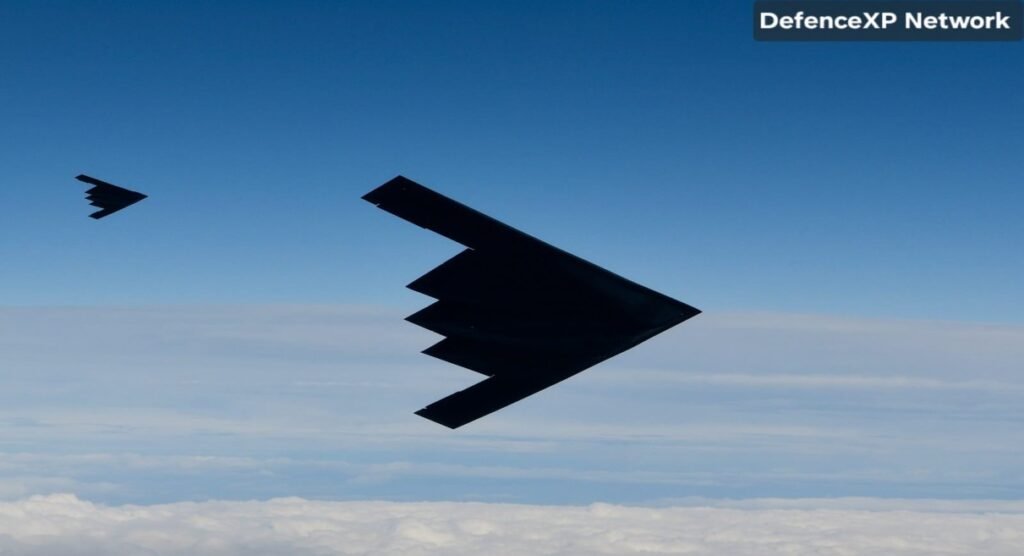
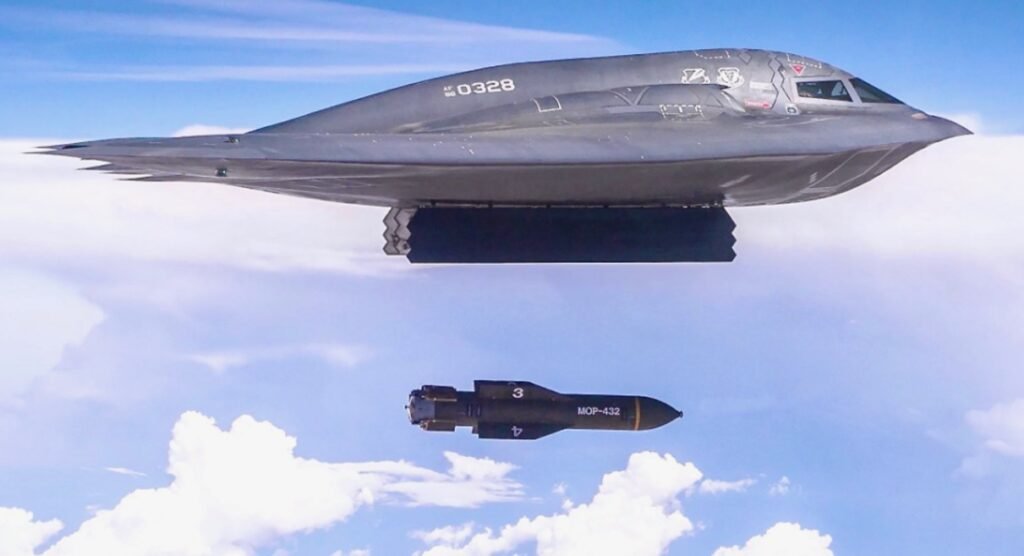
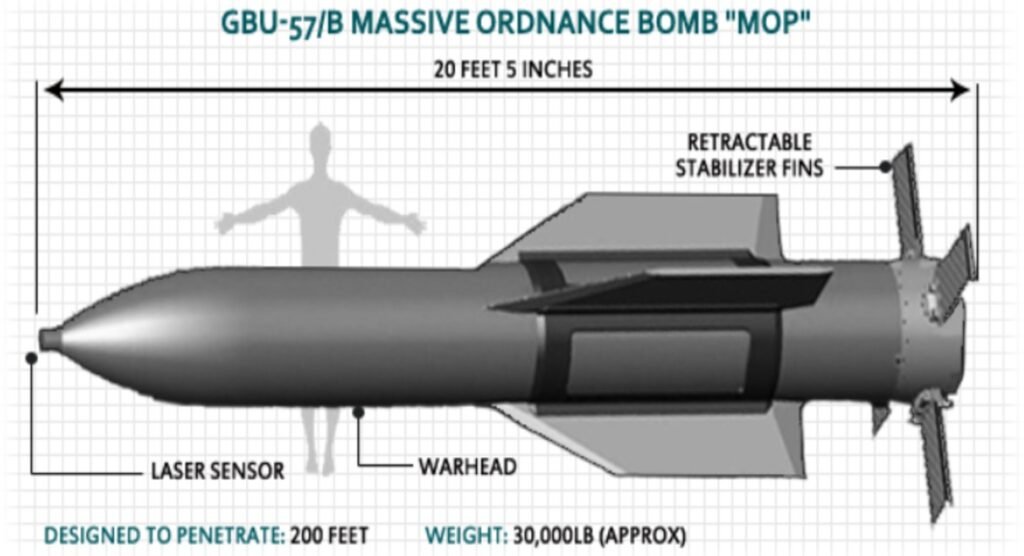
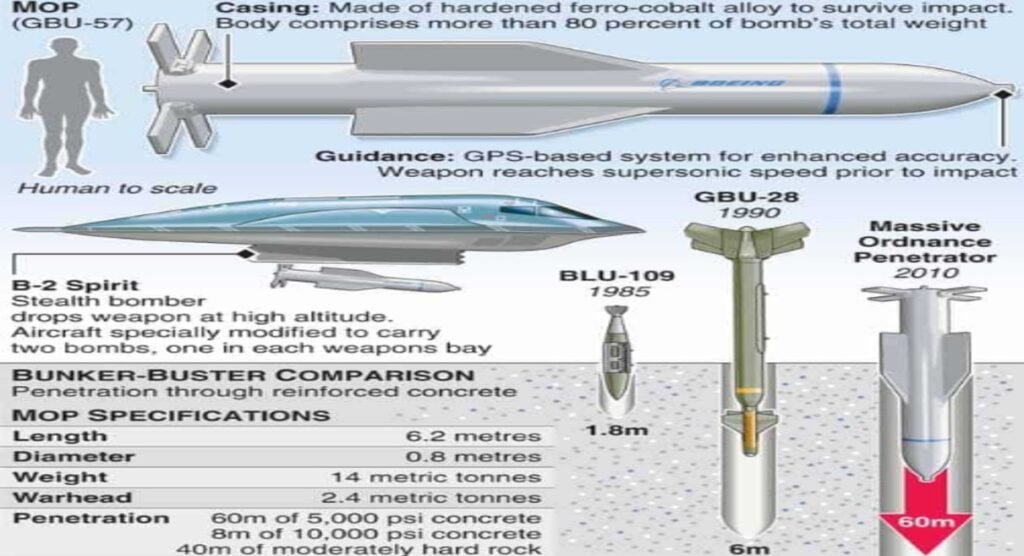
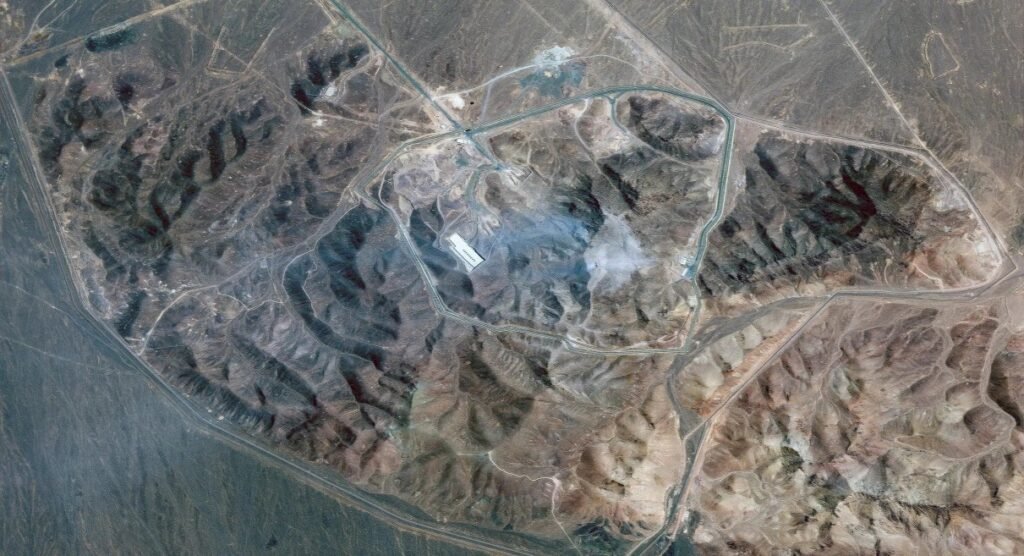
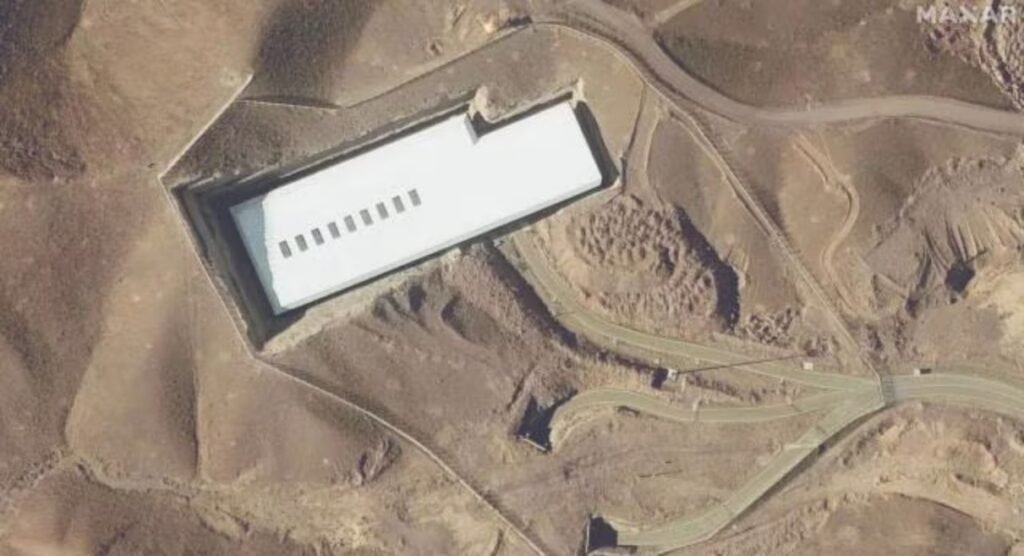
In June 2025, the United States executed Operation Midnight Hammer, deploying seven B‑2 Spirit bombers from Whiteman AFB to strike three hardened Iranian nuclear sites (Fordow, Natanz, and Isfahan). Armed with 14 GBU-57 bunker-buster bombs, the operation showcased the reach of U.S. strategic aviation. With multiple mid-air refuels, the 30+ hour roundtrip was supported by a full-spectrum media campaign, including Pentagon briefings, satellite imagery, and high-level endorsements. Ultimately, the strike sent a political message but its lasting tactical effect remains debated.
In contrast, India’s Operation Sindoor, launched silently on May 7, 2025, was a tri-service, precision-guided retaliatory strike against Pakistan-based terrorist infrastructure. Backed by real-time ISR, deep target verification, and confirmed satellite imagery, the 23-minute operation neutralized multiple terror hubs including those linked to Jaish-e-Mohammed and Lashkar-e-Taiba. Unlike the B‑2 strike, India did not rely on theatrics or media optics. The results spoke for themselves: real targets neutralized, escalation avoided, and doctrine recalibrated.As reported by the Economic Times, Air & Space Forces Magazine, and USNI, the U.S. strike was large in scale and expensive. By contrast, India’s Operation Sindoor showcased how lower-cost, highly precision-coordinated force can yield disproportionately high strategic effect, especially in high-threat, nuclear-sensitive theaters.
3. Media Narratives & Visibility
The B‑2 mission was widely amplified through a structured media rollout, including official statements, curated imagery, and consistent Western coverage, thus reinforcing U.S. capability and intent regardless of on-ground effectiveness.
Operation Sindoor, on the other hand, achieved confirmed strategic disruption without global fanfare. Despite verifiable post-strike imagery and real targeting data, most Western media outlets overlooked or downplayed India’s achievement. Some even echoed Pakistani denial narratives, highlighting a persistent information bias in global strategic storytelling.
“Sindoor wasn’t broadcasted. It was executed flawlessly. The silence wasn’t ignorance. It was editorial choice.”
4. Doctrinal Message: Visibility vs Outcome
Operation Midnight Hammer, the U.S. strike, showcased older ways of signaling—with high visibility, deep penetration, and a show of force. However, it also raised questions about its effectiveness compared to its cost. After all, Iran’s main nuclear capacity remained partly working, and regional nuclear talks only grew more intense.
In contrast, Operation Sindoor proved its worth with coordinated action across different areas and precise execution, even under the threat of nuclear conflict. Crucially, it managed to avoid open escalation. This operation clearly showed India’s shift towards a more sophisticated way to deter enemies, one that relies on:
- Silent, low-emission strike coordination: Attacks made with minimal electronic traces.
- Carefully controlled retaliation: Striking back without causing a wider political crisis.
- Strategic uncertainty: Using a deliberate lack of clear intentions to keep adversaries guessing.
- Steady confidence: Acting firmly even when facing indirect pressure from nations like the U.S., China, and Turkey.
As one Indian military strategist put it, “The Sindoor operation wasn’t designed to impress TV anchors. Instead, it was built to influence how countries in the region act.”
Sindoor vs. Balakot and Uri: A Maturation of Retaliation
| Metric | Uri (2016) | Balakot (2019) | Sindoor (2025) |
| Claim Level | Semi-official | Full claim | Calibrated confirmation |
| Escalation Risk | Medium | High | Controlled |
| Impact Type | Tactical | Symbolic | Strategi |
| Messaging Style | Assertive | Declarative | Silent signal |
Operation Sindoor wasn’t a strike for applause. Instead, it was a deliberate recalibration of red lines in South Asia.
[ScreenShot for better understanding ]


Three-Front Precision – Operation Sindoor’s Hidden Challenge
While Operation Sindoor appeared limited in duration and scope, it was conducted under a rare convergence of geopolitical constraints. India wasn’t just targeting terrorist infrastructure across the Line of Control; it was also silently managing threats across four strategic axes:
- Pakistan: India’s targets included terrorist camps in Bahawalpur and Muridke, as well as dual-use sites near Pakistani military bases. Over 10 locations were struck with high accuracy, thus showcasing India’s ability to neutralize hostile networks without collateral fallout.
- China: According to multiple defense intelligence briefings reported by Janes and The Print, China allowed Pakistan limited access to its high-resolution surveillance satellite data during the days leading up to the operation. The Yaogan-33 series, known for real-time electro-optical and ELINT capabilities, tracked Indian military movement near the western sector. Yet, despite this advantage, Pakistan failed to anticipate or prevent the strike. Every Indian precision munition hit its designated target, underscoring the sophistication of India’s signal-discipline, deception planning, and targeting architecture.
- Turkey: Turkish support to Pakistan’s drone command structure had increased, especially with TB2 trainer deployments. India’s strike path was carefully calibrated to bypass Turkish-assisted drone ISR zones, particularly in the Kotli and Punjab corridors.
- By successfully neutralizing more than ten high-priority sites—including cross-border launch pads and dual-use installations—India sent a silent, undeniable message: its strikes are now beyond intercept, beyond prediction, and above political noise.
- In June 2025, the United States executed Operation Midnight Hammer, deploying seven B‑2 Spirit bombers from Whiteman AFB to strike three hardened Iranian nuclear sites Fordow, Natanz, and Isfahan. Armed with 14 GBU-57 bunker-buster bombs, the operation showcased the reach of U.S. strategic aviation. With multiple mid-air refuels, the 30+ hour roundtrip was supported by a full-spectrum media campaign Pentagon briefings, satellite imagery, and high-level endorsements. The strike sent a political message but its lasting tactical effect remains debated.
- In contrast, India’s Operation Sindoor, launched on May 7, 2025, was a tri-service, precision-guided retaliatory strike against Pakistan-based terrorist infrastructure. Backed by real-time ISR, deep target verification, and confirmed satellite imagery, the 23-minute operation neutralized multiple terror hubs including those linked to Jaish-e-Mohammed and Lashkar-e-Taiba. Conducted under a low-signature, no-publicity protocol, Sindoor represented India’s evolution toward grey-zone precision deterrence deliberate, deniable, and devastating.
2. Cost & Coverage: Spectacle vs Stealth
| Metric | U.S. B‑2 Strike (Operation Midnight Hammer) | India’s Operation Sindoor |
| Aircraft | 7 × B‑2 Spirits ($2.1 bn each) | Unspecified multi-platform (Air, Naval, Ground) |
| Munitions | 14 × GBU‑57 (30,000 lb MOPs) | Indigenous PGMs, drones, loitering munitions, artillery |
| Mission Cost | Est. $130k–$150k/hour + $20–30M per MOP | Classified; relatively low-cost and high-yield |
| Media Coverage | High: DoD briefings, global headlines | Minimal: Strategic ambiguity maintained,Satellite releases |
| Strategic Intent | Show-of-force deterrence | Measured retaliation + deterrence-by-denial |
Economic Times, Air & Space Forces Magazine, and USNI confirm the scale and expense of the U.S. strike. By contrast, India’s Sindoor operation showcased how lower-cost,
Highly precision-coordinated force can yield disproportionately high strategic effect especially in high-threat, nuclear-sensitive theatres.
[ScreenShot for better understanding ]
3. Media Narratives & Visibility
The B‑2 mission was amplified through a structured media rollout, including official statements, curated imagery, and consistent Western coverage reinforcing U.S. capability and intent regardless of on-ground effectiveness.
Operation Sindoor, on the other hand, achieved confirmed strategic disruption without global fanfare. Despite verifiable post-strike imagery and real targeting data, most Western media outlets overlooked or downplayed India’s achievement. Some even echoed Pakistani denial narratives, highlighting a persistent information bias in global strategic storytelling.
“Sindoor wasn’t broadcasted. It was executed flawlessly. The silence wasn’t ignorance. It was editorial choice.”
[ScreenShot for better understanding ]
Strategic Contrast: B‑2 vs Sindoor – Two Different Doctrines
In June 2025, the United States launched Operation Midnight Hammer, a high-cost, long-range mission involving seven B‑2 Spirit bombers that struck Iran’s hardened nuclear sites at Fordow, Natanz, and Isfahan using 14 GBU‑57 MOP bunker-buster bombs. The Pentagon released official images, press statements, and satellite visuals, making it one of the most publicized military actions of the year. While the operation was technologically impressive, its strategic outcome remained largely symbolic a demonstration of intent more than irreversible impact.
In stark contrast, India’s Operation Sindoor, conducted silently on May 7, 2025, delivered real-world strategic disruption across Pakistani territory. Backed by satellite-confirmed strike imagery, multi-target verification, and Precise-coordinated tri-service execution, Sindoor struck at more than 8 major terror hubs deep inside enemy lines, including JeM and LeT headquarters. Unlike the B‑2 strike, India did not rely on theatrics or media optics. The results spoke for themselves real targets neutralized, escalation avoided, and doctrine recalibrated.
Operation Sindoor was not just an airstrike. It was India’s message to the region: We can strike deep, precise, and silent even under nuclear overhang and without asking for applause.
Conclusion: The Doctrine of Strategic Silence
Operation Sindoor marks more than a retaliatory strike.it represents a doctrinal shift in how India applies force under strategic ambiguity. In an era defined by high-visibility posturing, India chose a different path: a low-emission, high-precision, multi-domain operation, executed under real-time geopolitical surveillance, without crossing escalation thresholds.
This isn’t just technological maturity.it’s deterrence by design. A quiet demonstration that capability need not be advertised to be understood.
Deterrence doesn’t always roar. Sometimes, it whispers and in the rooms where it matters, that whisper is louder than any declaration.
As the global security environment continues to evolve toward contested grey zones and non-linear warfare, Operation Sindoor may stand as a model not for how loudly a nation can respond, but how precisely it can shape adversary behavior without firing the next shot.
Sources:
- Press Information Bureau (India), Defence Ministry briefings
- Official statements by NSA Ajit Doval
- Reports from The Hindu, Indian Express, Hindustan Times
- Security analysis from Janes Defence, Observer Research Foundation (ORF), RSIS, ASEAN dialogues
- Air & Space Forces Magazine B‑2 operational coverage
- War on the Rocks – Strategic strike signalling theory
- RAND Corporation – Long-range strike cost-benefit frameworks
- The Diplomat – Regional ISR dynamics and satellite tracking
- Middle East Eye, Balkan Insight-Turkish drone deployment in Pakistan
- IDRW – Open-source reporting and tactical snapshots